


This page may contain products from our partners that we promote if you click on a product and make a purchase wr will receive a commission. please see affiliate disclaimer
We are dedicated to exploring the fascinating world of beneficial soil microbes! We aim to provide you with a wealth of information on the countless microorganisms that inhabit soil and play a crucial role in maintaining healthy ecosystems. Our goal is to help you understand the importance of these microscopic creatures and how they can positively impact your garden, farm, or even your home.
You’ll discover the diverse range of beneficial soil microbes, including bacteria, fungi, protozoa, and nematodes, and how they contribute to soil fertility, nutrient cycling, pest control, and plant growth. You’ll also learn about different types of soil amendments and techniques that can promote the growth of these beneficial microbes, such as composting, cover cropping, and crop rotation.
Fungi
Trichoderma
Trichoderma is a genus of soil-borne fungi that are commonly used in gardening as a biological control agent for plant pathogens. Trichoderma species are known for their ability to colonize plant roots and compete with pathogenic fungi, thereby reducing the incidence of plant diseases. Here are some of the ways in which Trichoderma can be beneficial for gardening:
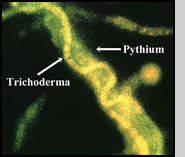
Disease suppression: Trichoderma species produce a range of enzymes and secondary metabolites that inhibit the growth of plant pathogens such as Pythium, Rhizoctonia, Fusarium, and Sclerotinia. By colonizing plant roots and soil, Trichoderma can protect plants from various soil-borne diseases.
Nutrient uptake: Trichoderma can improve nutrient uptake by plants by releasing plant growth-promoting substances such as auxins, cytokinins, and gibberellins. These substances promote root growth and increase the availability of nutrients to plants.
Soil improvement: Trichoderma can improve soil structure and fertility by breaking down organic matter and releasing nutrients into the soil. They also help to maintain soil moisture and prevent erosion.
Sustainable gardening: Trichoderma is a natural and eco-friendly alternative to chemical pesticides and fungicides. It is safe for humans, pets, and the environment, and can be used in organic gardening.



Root and Soil Inoculants Mycorrhizal Fungi Trichoderma + Beneficial Bacteria 2oz
- SOLUBLE INOCULANT
- BENEFICIAL BACTERIA
- ENDOMYCORRIZAL
- TRICHODERMA
- ROOT INOCULANT
Trichoderma can be applied to the soil as a powder, granule, or liquid formulation. It is important to follow the manufacturer’s instructions when applying Trichoderma to the soil. In addition, it is recommended to maintain good soil hygiene, proper drainage, and balanced fertilization practices to maximize the benefits of Trichoderma.
Trichoderma. https://biocontrol.entomology.cornell.edu/pathogens/trichoderma.php. Accessed 5 May 2023.
Penicillium
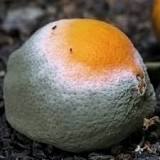
Penicillium digitatum (/ˌpɛnɪˈsɪliəm ˌdɪdʒɪˈteɪtəm/) is a mesophilic fungus found in the soil of citrus-producing areas. It is a major source of post-harvest decay in fruits and is responsible for the widespread post-harvest disease in Citrus fruit known as green rot or green mould.
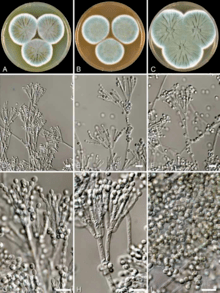
Houbraken, J., Frisvad, J.C. & Samson, R.A – Fleming’s
Penicillium is a genus of fungi that includes several species, some of which can be beneficial in the garden. Here are a few ways in which Penicillium can be used:
Composting: Penicillium fungi are decomposers that break down organic matter, such as dead leaves and plant material. They can help speed up the composting process and improve the quality of the resulting compost.
Soil improvement: Penicillium fungi can also help improve soil health by breaking down organic matter and releasing nutrients into the soil. They can also help suppress harmful plant pathogens.
Plant growth promotion: Some species of Penicillium have been shown to promote plant growth and increase yields. They do this by forming beneficial relationships with plant roots, helping to improve nutrient uptake and water retention.
It’s important to note that not all species of Penicillium are beneficial, and some can even be harmful to plants. If you’re interested in using Penicillium in your garden, it’s a good idea to do some research and consult with a gardening expert to determine which species are safe and beneficial to use.
Sporidesmium
Sporidesmium is a type of fungus that is found in soil and decaying plant material. While it is not typically used intentionally in gardening, it can play a role in soil health and nutrient cycling.
Sporidesmium can help break down organic matter in the soil, which can release nutrients that are beneficial for plant growth. Additionally, some strains of Sporidesmium have been shown to have plant growth-promoting effects, such as increasing root growth and improving plant resistance to disease.
However, it’s important to note that not all strains of Sporidesmium are beneficial for plants, and some can actually be harmful. As with any type of soil microbe, it’s important to maintain a healthy balance of microorganisms in the soil to promote plant growth and prevent the growth of harmful pathogens.
Overall, while Sporidesmium is not commonly used as a gardening tool, it can play a beneficial role in soil health and nutrient cycling when present in the right amounts and under the right conditions.
Bacteria
Pseudomonas(genera)
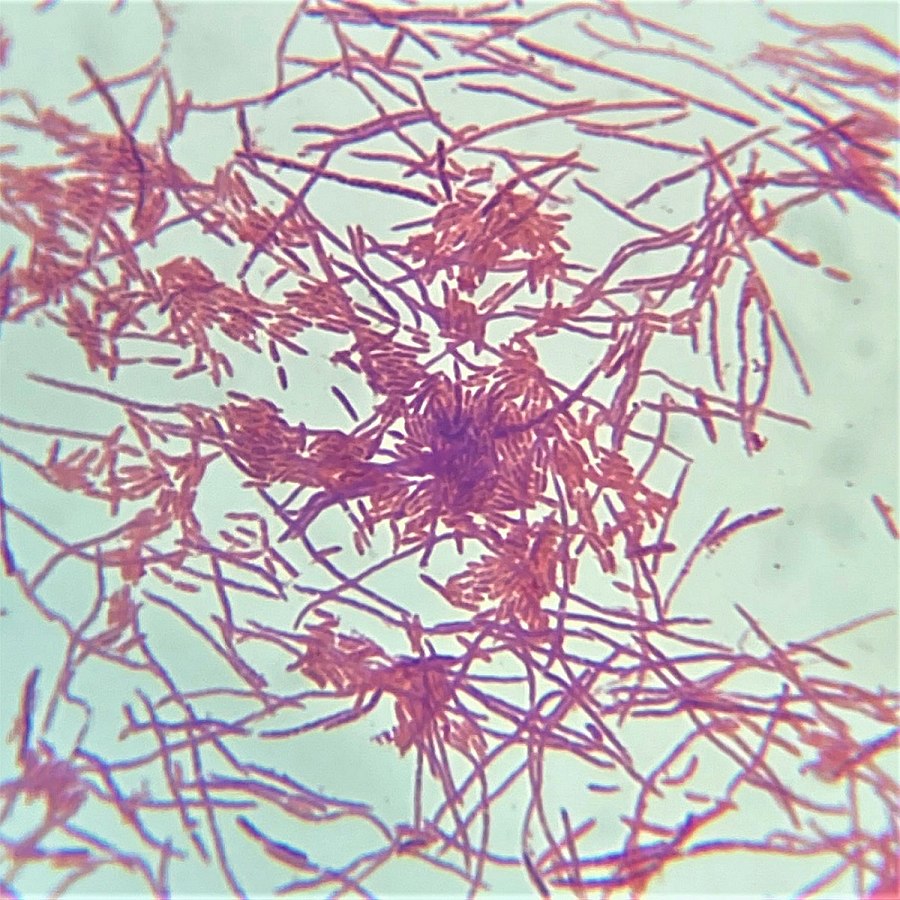
Pseudomonas is a genus of Gram-negative bacteria that are commonly found in soil and water environments. Some species of Pseudomonas are known to be beneficial to soil health due to their ability to fix atmospheric nitrogen and degrade organic matter. Additionally, some strains of Pseudomonas have been shown to promote plant growth, protect against pathogens, and enhance nutrient uptake in plants.
Some microbial inoculants contain Pseudomonas species, along with other beneficial bacteria and fungi. These inoculants are designed to improve soil health and promote plant growth by introducing beneficial microbes into the soil. Pseudomonas-containing inoculants may be marketed as soil amendments or as seed treatments.
The effectiveness of these products can vary depending on the specific strains of Pseudomonas and other microbes included, as well as the soil and environmental conditions where they are used. If you’re interested in using Pseudomonas-containing products in your nursery or garden, it’s a good idea to do some research and consult with experts to determine which products are best suited for your needs.
Bacillus
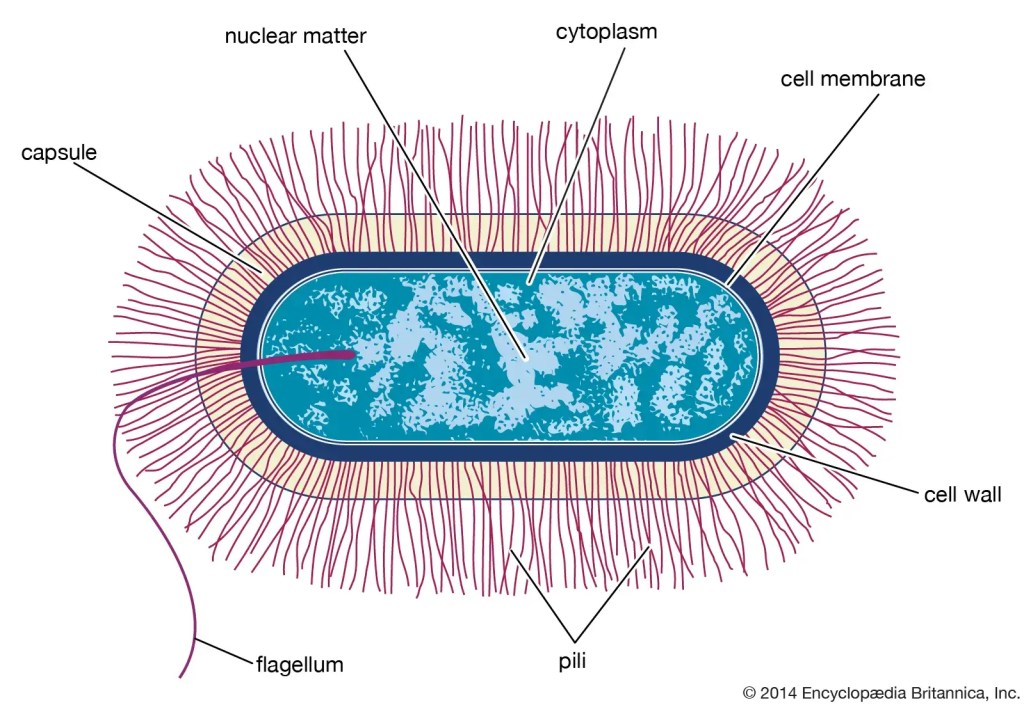
Bacillus is a genus of gram-positive, rod-shaped bacteria commonly found in soil. It includes a diverse group of species that can survive in a range of environmental conditions, including high temperatures, low moisture, and nutrient-poor soils. Bacillus is a genus of bacteria that includes several species commonly found in soil. These bacteria are important for soil health because they play key roles in nutrient cycling, decomposition of organic matter, and disease suppression.
Encyclopædia Britannica, Inc.
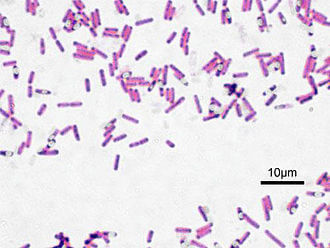
In soil, Bacillus bacteria are important for several reasons. Firstly, they are known for their ability to produce a range of enzymes that can break down complex organic compounds, such as cellulose, chitin, and lignin, into simpler forms that can be readily used by plants and other organisms. Bacillus species are known for their ability to produce a variety of enzymes that break down complex organic molecules, making nutrients more available to plants. For example, Bacillus subtilis is known to produce proteases that break down proteins, amylases that break down starches, and cellulases that break down cellulose. These enzymes help release nutrients such as nitrogen, phosphorus, and potassium from organic matter in the soil, making them more accessible to plants.
Secondly, Bacillus species are known for their ability to form endospores, which are highly resistant structures that allow the bacteria to survive harsh environmental conditions, such as drought and heat. These endospores can remain dormant in the soil for long periods of time, waiting for favorable conditions to germinate and resume growth.
Finally, some species of Bacillus are known to have beneficial effects on plant growth and health. For example, they can produce plant growth-promoting hormones and help to control plant pathogens by producing antimicrobial compounds. Some Bacillus species produce antibiotics and other compounds that can suppress the growth of plant pathogens, helping to protect crops from disease. For example, Bacillus subtilis is known to produce a compound called bacitracin that can inhibit the growth of a wide range of bacteria, including some plant pathogens.
Overall, Bacillus bacteria play an important role in maintaining soil health and fertility by contributing to nutrient cycling, organic matter decomposition, and plant growth promotion. Bacillus bacteria are an important part of the soil microbiome and play key roles in maintaining soil health and supporting plant growth.
Streptomyces
Streptomyces are important groups of soil bacteria from the actinomycetes family. Alongside Micromonospora, they are the most commonly described actinomycetes making up 1–20% of the culturable soil microbe. Approximately two thirds of natural antibiotics have been isolated from actinomycetes, and about 75% of them are from the Streptomyces genus . It is also reported that Streptomyces produce about 7600 bioactive compounds. This has made Streptomyces become the major antibiotic producer used for drug discovery and production in the pharmaceutical industries.
The global attempts to discovering natural products as biocontrol agents for plant protection have notably been on the rise and actinomycetes, Streptomyces being the most proactive, appear to be a readily available natural choice in finding new ways to combat plant pathogens.
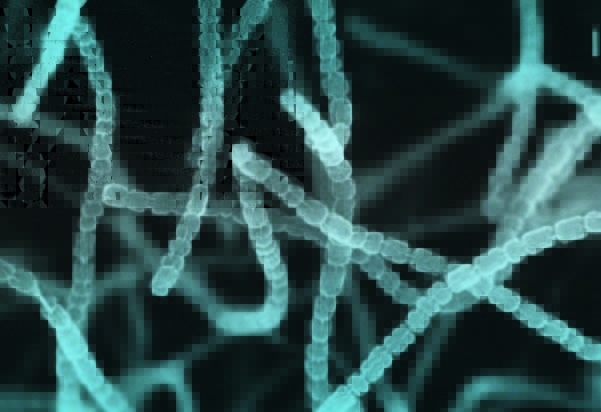
Their abilities to control plant pathogens stem from the following traits:
- Synthesis of plant growth regulators (Goudjal et al. 2013)
- Siderophore production (Vijayabharathi et al. 2015)
- Antibiotics production (Couillerot et al. 2013)
- Volatile compound secretion (Jones and Elliot 2017) and
- Competition for nutrients
Olanrewaju, O. S., & Babalola, O. O. (2018). Streptomyces: Implications and interactions in plant growth promotion. Applied Microbiology and Biotechnology, 103(3), 1179-1188. https://doi.org/10.1007/s00253-018-09577-y
Whether you’re a seasoned gardener, a farmer, or just someone curious about the natural world around you, we offer a wealth of practical tips and advice to help you harness the power of beneficial soil microbes. So, come along with us on a journey into the fascinating world of soil microbes and discover the incredible benefits they can offer.
Parent Article: “The Future of Sustainable Farming: Microbiome Restoration and Biodiversity Rejuevanation“
< back


Leave a comment