



Soil is an essential component of the ecosystem, supporting plant growth and providing a habitat for various microorganisms. However, some pathogens in the soil can cause significant harm to plants, leading to reduced crop yield and quality. These harmful soil pathogens include fungi, bacteria, nematodes, and other microorganisms.
Predominant Soilborne Pathogens
Fungi
Sclerotiumrolfsii, Rhizoctoniasolani, and Fusariumsp are among the most common soil-borne fungi that cause significant harm to plants. Sclerotium rolfsii, also known as Southern blight, affects various crops, including peanuts, tomatoes, and peppers, and causes stem and root rot. Rhizoctonia solani causes damping-off, root rot, and seedling blight in various crops, including beans, sugar beets, and potatoes. Fusarium sp causes wilting, damping-off, and root rot in several crops, including tomatoes, wheat, and corn.
Soil-borne fungi are a major problem in agricultural and horticultural settings, causing damage to crops and other plants. Three of the most common and damaging soil-borne fungi are Sclerotium rolfsii, Rhizoctonia solani, and Fusarium sp. These fungi can cause significant harm to plants, resulting in decreased yields, wilting of foliage, stunted growth, and even death of the plant. In addition to these direct effects on the plant itself, these harmful soil pathogens can also lead to reduced quality of food products derived from the affected plants. For this reason, it is important for farmers and gardeners alike to be aware of these harmful soil pathogens in order to prevent them from causing damage.
Soil pathogens may cause decrease in crop yeild. Organisms such as Pythium, Phytophthora, and Aphanomyces. are harmful to crops. Similarly, Fusarium,Verticilliumwilts, and Streptomyces scabies.
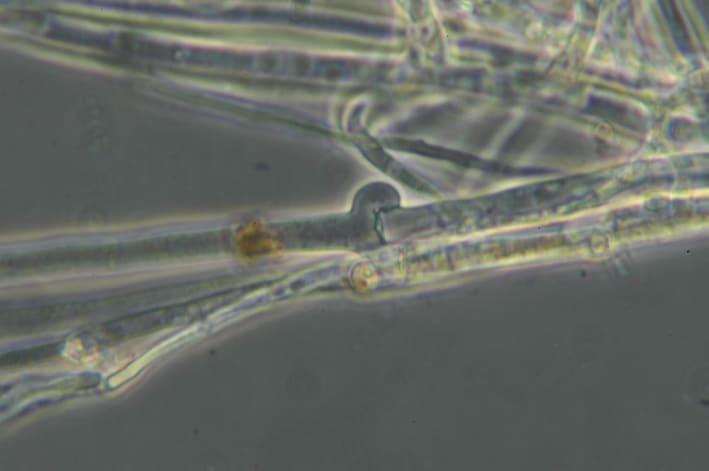
Sclerotium rolfsii
Sclerotium rolfsii is a necrotrophic, soilborne fungal plant pathogen that produces abundant white mycelium on infected plants and in culture, known as Southern Blight. Fruit and other fleshy organs near the soil surface may become infected with S. rolfsii. Soft, water-soaked, sunken, slightly yellowish lesions develop (Figure 12). These lesions quickly spread throughout most or all of the fruit, which will eventually become soft and collapse within 3 to 4 days of infection. The skin of the fruit often crack open and fine white mycelium and developing sclerotia spreads over the surface and quickly fills lesion cavitie
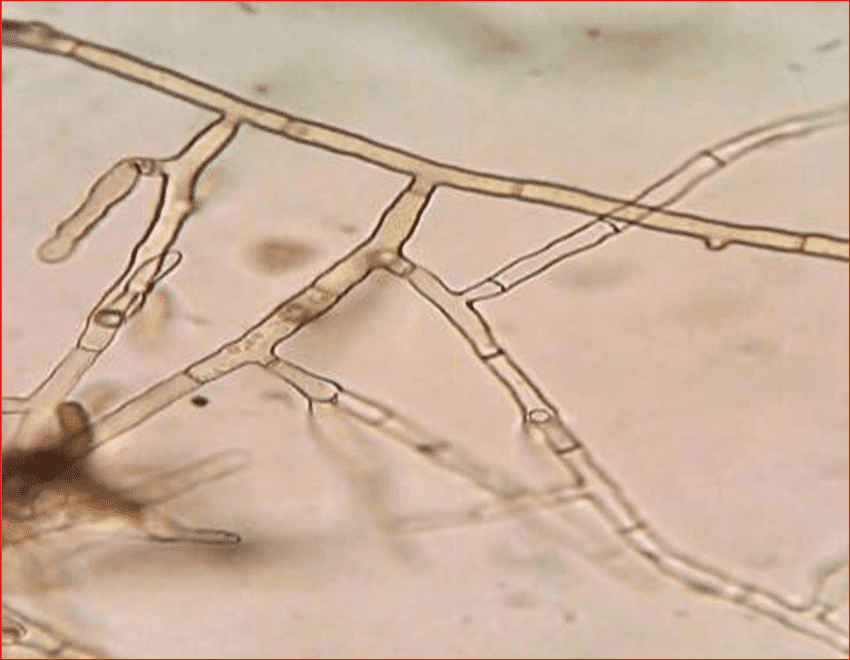
Rhizoctoniasolani
Belly Rot The disease is most damaging to cucumber, but the pathogen can attack all cucurbits to some degree. R. solani is a very common soil inhabitant and invades cucumbers in contact with soil. The disease can occur over a range of temperatures (46 to 95ºF), but is most damaging near 80ºF. Temperature is more important than moisture for disease development, but high humidity and excessive moisture favor infection. The belly rot pathogen can be disseminated within and among fields by moving soil and infected plant parts by equipment and irrigation water. R. solani survives in the soil as dormant mycelium and in infested crop debris as dormant sclerotia.
Fusarium Sp.
Fusarium species infect crop plants worldwide in moderate climate zones. Fusarium head blight, a well-known crop disease, Wilt, is caused by different Fusarium species.
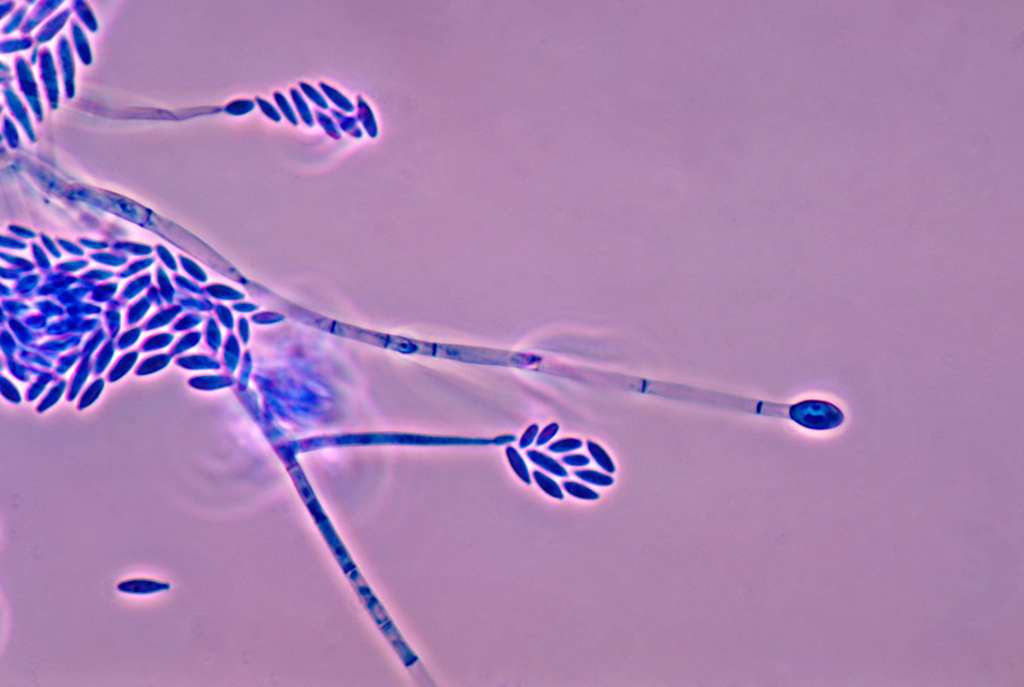
“Fusarium – an Overview.” ScienceDirect Topics, https://www.sciencedirect.com/topics/agricultural-and-biological-sciences/fusarium. Accessed 4 May 2023.
Pythium
Pythium is a water mold that affects various crops, causing damping-off, root rot, and seedling blight. Pythium spores can survive in the soil for extended periods, and their growth is promoted by high humidity and temperature.
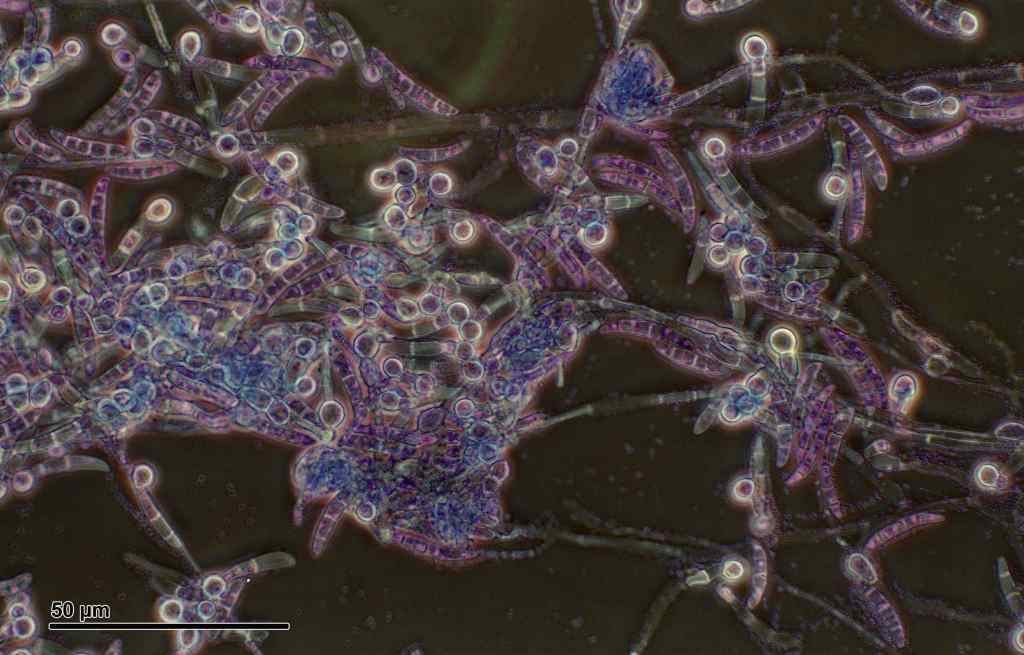
Pythium attacks juvenile tissues such as the root tip and newly germinated seedlings, and can reap havoc in greenhouse, fields, and container plants. When the organism kills newly emerged or emerging seedlings, it is known as damping off,
Pythium Root Rot / Floriculture and Ornamental Nurseries / Agriculture: Pest Management Guidelines / UC Statewide IPM Program (UC IPM). https://ipm.ucanr.edu/agriculture/floriculture-and-ornamental-nurseries/pythium-root-rot/#:~:text=Pythium%20attacks%20juvenile%20tissues%20such,up%20into%20the%20stem%20tissue Accessed 4 May 2023
Phytophthora is a genus of about 100 species of a group commonly called the “water molds” because they may be distributed by water Phytophthora species are soil-inhabiting pathogens that are favored by wet conditions. Although previously considered fungi, Phytophthora species are now considered to be in a separate classification called oomycetes.
Phytophthora Root and Crown Rot in the Garden–UC IPM. https://ipm.ucanr.edu/PMG/PESTNOTES/pn74133.html#BIOLOGY. Accessed 4 May 2023.
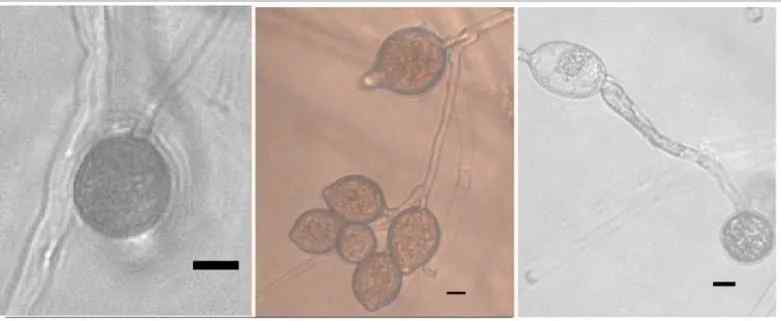
Phytophthora species affect many plants such as citrus and forest trees where it commly causes root rot. Phytophthora capisci is a pathogen that can infect all cucurbit crops as well as peppers, tomatoes, eggplants and beans. Infection is most common in zucchini, squash, pumpkin, and pepper. It also affects potatoes. Phytophthora infects every part of the plant including roots, crowns, leaves, vines and fruit. You can read more about Phytophthora on CABI Digital Library

Bacteria
Soil pathogens are a major cause of plant diseases and can cause a wide range of damage to crops. There are several bacterial pathogens that can harm plants, including Erwinia, Ralstonia, Rhizomonas, Agrobacterium, and Streptomyces. Erwinia carotovora is one of the most common soil-borne bacteria that causes soft rot in many different plant species. It produces toxins that break down cell walls and cause the plant tissue to become soft and mushy. Other soil-borne pathogens cause wilts, root rots, leaf spots, stem cankers and other diseases in plants. These diseases can reduce crop yields significantly if not managed properly.
Several bacterial pathogens can harm plants, including Erwinia, Ralstonia, Rhizomonas, Agrobacterium, Streptomyces. Erwinia carotovora causes soft rot in various crops, including potatoes, carrots, and onions. Ralstonia solanacearum causes bacterial wilt in several crops, including tomatoes, potatoes, and tobacco. Agrobacterium tumefaciens causes crown gall disease in various crops, including tomatoes, grapes, and stone fruits.
Erwinia
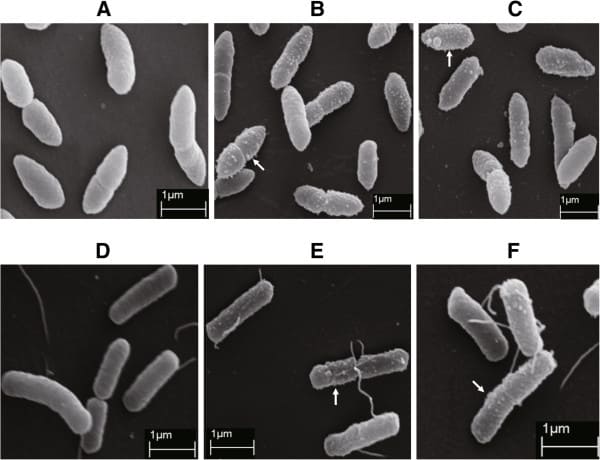
Erwinia carotovora is the main bacterial disease of cyclamen.
The symptoms of its onset are a sudden rotting of the tuber, which gives off a fetidsmell, and a drooping of the leaves.
The bacterium is present in most soils, but it is fostered by too much warmth, too much fertiliser, and the use of too heavy a growing medium which makes for too much humidity.
“Bacterial Rot : Genus Erwinia – Bacteria.” Diseases, https://www.cyclamen.com/en/professional/diseases/5/17. Accessed 4 May 2023.
Raltsonia
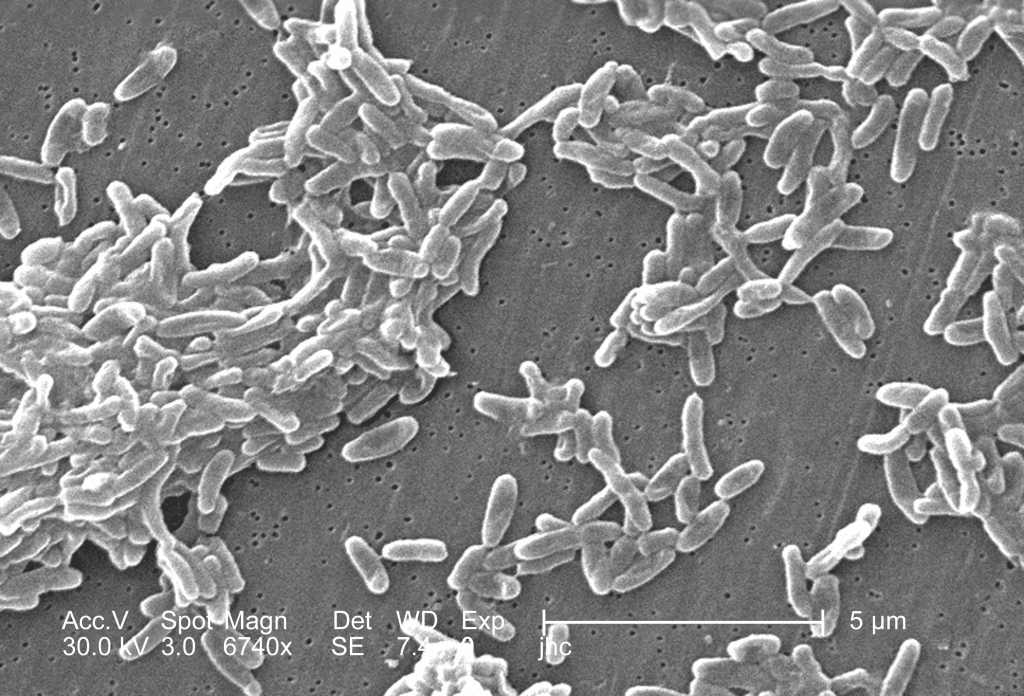
Ralstonia solanacearum is a bacterium that causes wilt diseases in plants. It colonises the xylem, causing bacterial wilt in a very wide range of potential host plants such as tomato, pepper, eggplant, and Irish potato,
Rhizomonas
Rhizomonas causes a condition known as Corky Roots in plants such as lettuce and tomatoes. Strains of a slow-growing, gram-negative bacterium causing corky root (CR) of lettuce were examined for morphological, physiological, and biochemical traits in studies done by International Journal of Systematic and Evolutionary Microbiology. Each strain consisted of small, motile rods with one lateral, subpolar, or polar flagellum. All strains were oligotrophic. Typical colonies were nonpigmented, umbonate, firm, and ultimately wrinkled. All strains were aerobic, metabolized glucose oxidatively, were oxidase positive and weakly catalase positive, and reduced nitrate to nitrite and ammonia but not to nitrogen gas.
Agrobacterium
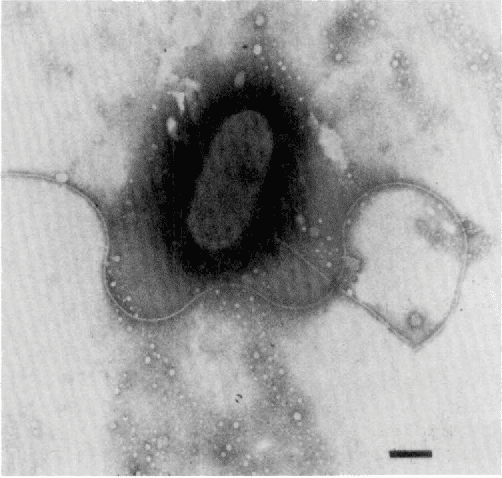
Agrobacterium is a genus of Gram-negative bacteria established by H. J. Conn that uses horizontal gene transfer to cause tumors in plants called Crown Gall disease. Agrobacterium tumefaciens is a gram-negative bacterium that uses horizontal gene transfer to create tumors in plants.
Nematodes
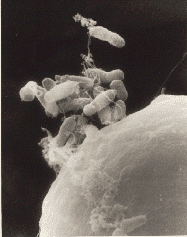
Nematodes are one of the most common soil-borne pathogens, and they can cause serious harm to crops. These tiny, worm-like organisms feed on the roots of plants, leading to stunted growth and reduced yields. Species such as Meloidogyne, Heterodera, Longidorus, and Pratylenchus are some of the most damaging nematode species for crops.
Meloidogyne, Heterodera, Longidorus, and Paratrichodorus are among the most common nematodes that cause harm to plants. Meloidogyne, also known as root-knot nematodes, affects various crops, including tomatoes, potatoes, and cotton, and causes galls to form on plant roots. Heterodera, also known as cyst nematodes, affects various crops, including wheat, corn, and soybeans, and causes cysts to form on plant roots.
Meloidogyne
Meloidogyne incognita (root-knot nematode – RKN), also known as the southern root-nematode or cotton root-knot nematode is a plant-parasitic roundworm in the family Heteroderidae. This nematode is one of the four most common species worldwide and has numerous hosts. Root-knot disease caused by Meloidogyne incognita leads to significant crop yield losses that may be aggravated by the association with pathogenic fungi and bacteria. Plants infested by M. incognita show stunted growth, yellowing, marginal and tip drying of leaves resulting in reduced tillering, coupled with galling and rotting of roots.
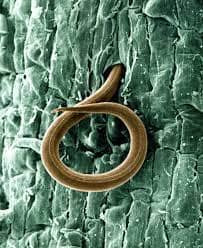
A juvenile root-knot nematode (Meloidogyne incognita) penetrates a tomato root on Jan. 24, 2013. Once inside, the juvenile, which also attacks cotton roots, causes a gall to form and robs the plant of nutrients. Photo by William Wergin and Richard Sayre. Colorized by Stephen Ausmus. U.S. Department of Agriculture
Longidorus
Longidorus is a genus of needle nematodes. Some of its species are plant pests. They may also transmit important plant viruses such as the potato virus U or the cacao necrosis virus. Species are known to infest narcissus, alfalfa, beet, caneberries, lettuce, grape and citruses. The needle nematodes comprise a large group of over 60 described species belonging to the genus Longidorus Micoletzky 1922 (3,8,12). These are very long and slender nematodes and within this group are the longest plant parasitic nema- todes known (5). Adults range in size from 2 mm to 12 mm in length. https://www.fdacs.gov/content/download/10880/file/nem089.pdf
Paratrichodorus
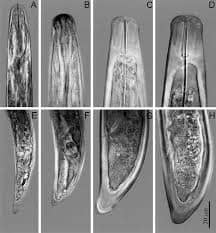
Nematodes in the family Trichodoridae are commonly called “stubby-root” nematodes, because feeding by these nematodes can cause a stunted or “stubby” appearing root system. Nanidorus minor is the most common species of stubby-root nematode in Florida, and in tropical and sub-tropical regions worldwide. because of the direct damage it causes to plant roots, and also because it can transmit certain plant viruses.
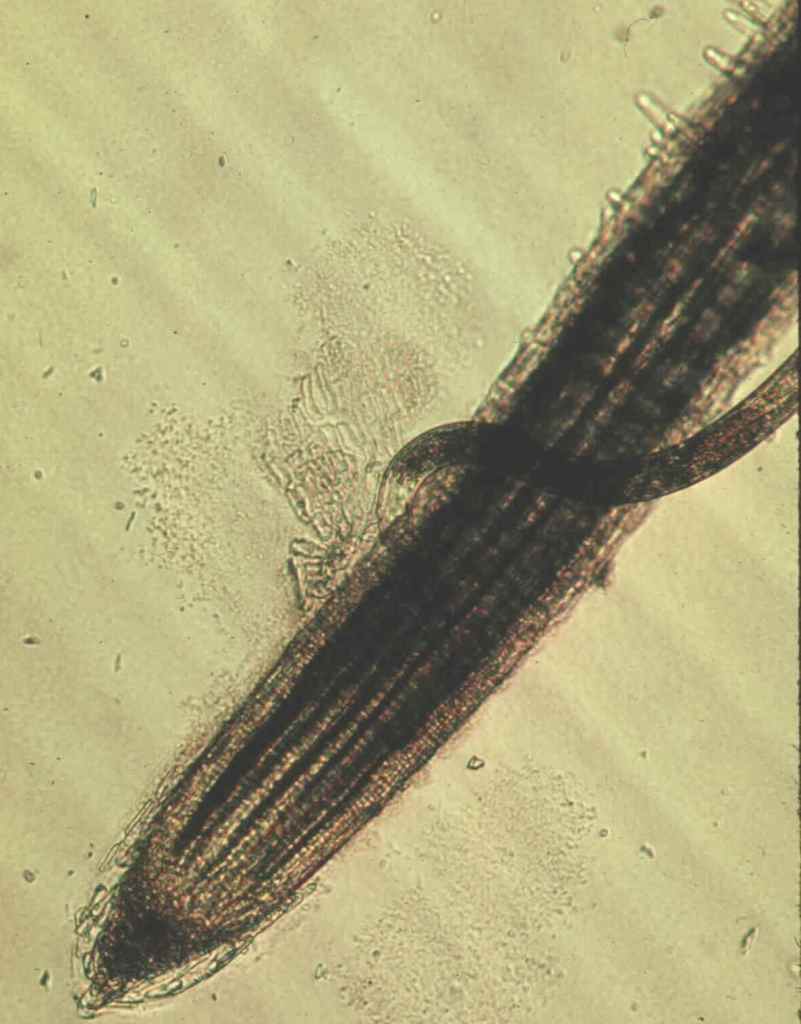
Ref. Decraemer, W. 1995
Paratrichodorus Minor. http://nemaplex.ucdavis.edu/Taxadata/G097s1.aspx. Accessed 5 May 2023.
Other
Clavibacter michiganense,aeumannomyces graminis, Phytophthora Cinnamomi, Phytophthora Palmivora, and Aphanomyces are among the other microorganisms that can harm plants. Clavibacter michiganense causes bacterial wilt in tomatoes, and aeumannomyces graminis causes take-all root rot in wheat. Phytophthora Cinnamomi and Phytophthora Palmivora cause root rot in various crops, including avocado, citrus, and soybeans. Aphanomyces causes root rot in legumes, including peas and lentils.
Aphanomyces
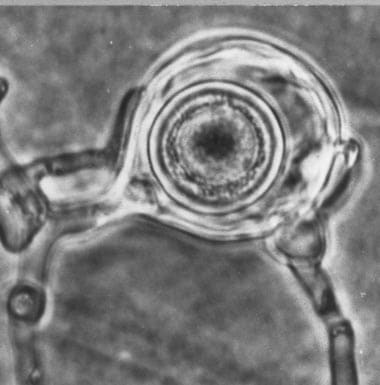
Infection by A. euteiches can occur at any time during the growing season although it frequently occurs during the early phases of seedling emergence. ARR is considered a monocyclic disease, which means only one infection cycle per season. Oospores within decaying host residue or in the soil germinate when chemical signals from host roots are detected.
“Aphanomyces Root Rot or Common Root Rot of Legumes.” Aphanomyces Root Rot or Common Root Rot of Legumes, https://www.apsnet.org/edcenter/disandpath/oomycete/pdlessons/Pages/Aphanomyces.aspx. Accessed 4 May 2023.
In conclusion, harmful soil pathogens pose a significant threat to crop production, leading to reduced yield and quality. Farmers and gardeners should take preventive measures, including crop rotation, use of resistant varieties, and application of fungicides and nematicides, to manage these pathogens and minimize their impact on plants. It is also essential to maintain good soil health by practicing good soil management practices, including proper drainage, irrigation, and fertilization, to reduce the risk of soil-borne diseases.
Parent Article: “The Future of Sustainable Farming: Microbiome Restoration and Biodiversity Rejuevanation”


Leave a Reply