

The Future of Sustainable Farming

This page may contain products from our partners that we promote if you click on a product and make a purchase wr will receive a commission. please see affiliate disclaimer
Soil Microbiome Restoration and Biodiversity Rejuevanation

We are dedicated to Soil Microbiome Restoration and Biodiversity Rejuvenation, two critical components of sustainable farming. As the world’s population continues to grow, there is an increasing demand for food production, which has led to unsustainable farming practices. The use of pesticides, synthetic fertilizers, and intensive tillage has led to soil degradation, erosion, low soil fertility, and biodiversity loss. The negative affects of human efforts.
The soil microbiome is a complex ecosystem that plays a crucial role in soil health and productivity. It consists of diverse microorganisms, including bacteria, fungi, protozoa, and viruses, that interact with each other and with the soil environment. These microorganisms provide essential functions such as nutrient cycling, soil structure formation, and disease suppression. However, unsustainable farming practices have disrupted this delicate balance, leading to a decline in soil microbial diversity and function.
Restoring the soil microbiome and biodiversity rejuvenation is essential to ensure sustainable agriculture in the future. However, this is not an easy task, and there are significant challenges that need to be addressed. These include finding effective methods for soil microbiome restoration, managing pests and diseases without the use of harmful chemicals, and promoting biodiversity in agricultural landscapes.
Soil Erosion And Deterioration
Erosion: Erosion is caused by wind and water and can lead to the loss of topsoil, which contains essential nutrients for plant growth.
Soil deterioration can be caused by a variety of organisms, but here are some of other top causes:
Alkaline Soils
Alkaline soils often have high levels of limestone or high levels of salinity. They usually have a hard calcareous layer. When soil pH is too high, it can pose problems for plant health and growth. For many plants, soil that is high in alkalinity makes it harder for plants to drink in nutrients from the soil, which can limit their optimal growth.
Soil Pathogens
Soil-borne pathogens can cause plant diseases, reducing plant growth and yield and further reducing soil fertility.
Bacteria: Certain bacteria can cause soil degradation by producing toxins that kill plants or by consuming organic matter, which can lead to soil compaction and reduced water-holding capacity.
Fungi: Some fungi, such as the ones that cause root rot, can damage plant roots and reduce the ability of plants to absorb water and nutrients from the soil.
Nematodes: Nematodes are microscopic worms that can cause significant damage to plant roots, reducing plant growth and yield.
Invasive Species
Invasive species can outcompete native plants, reducing plant diversity and disrupting soil ecosystems.
Overuse of Pesticides and Fertilizers
Overuse of pesticides and fertilizers can lead to the buildup of toxic chemicals in the soil, which can harm soil microorganisms and reduce soil fertility.
Overgrazing
Overgrazing can lead to soil compaction, reduced water-holding capacity, and the loss of plant cover, which can increase erosion.
Salinization
Salinization is the accumulation of salts in the soil, which can reduce plant growth and yield.
Acidification
Acidification is the process by which soil becomes more acidic, which can reduce soil fertility and make it difficult for plants to grow.
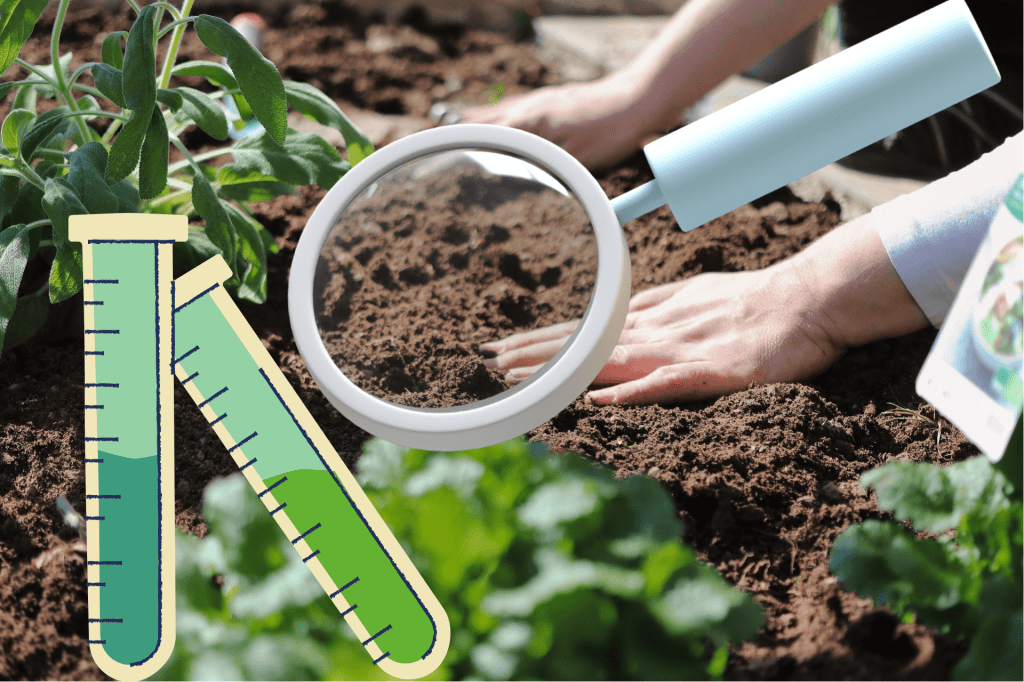
Soil borne diseases are very critical in to the yield potential of improved cultivars in many agricultural crops.
Soil Microbe Restoration
There are several types of beneficial microbes that can be used in agriculture and horticulture, including:
- Mycorrhizal Fungi: These fungi form a symbiotic relationship with plant roots and can enhance nutrient uptake and water absorption.
- Rhizobacteria: These bacteria live in the rhizosphere (the soil surrounding plant roots) and can promote plant growth by producing plant growth-promoting hormones, fixing nitrogen, and suppressing harmful soil pathogens.
- Trichoderma: These fungi are known for their ability to control soil-borne plant diseases and improve plant growth.
- Actinomycetes: These bacteria are commonly found in soil and can produce natural antibiotics, which can suppress soil-borne pathogens and promote plant growth.
Micorrhiza Fungi
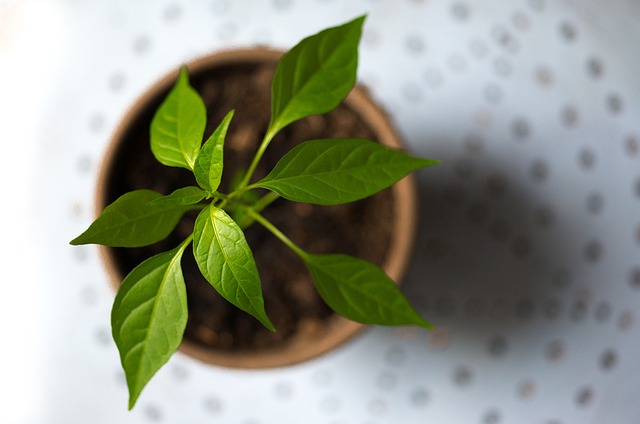
Mycorrhizal Mushrooms are a type of fungi that form mutualistic relationships with the roots of plants. Here are some examples of common mycorrhizal mushrooms:
Chanterelles (Cantharellus spp.)
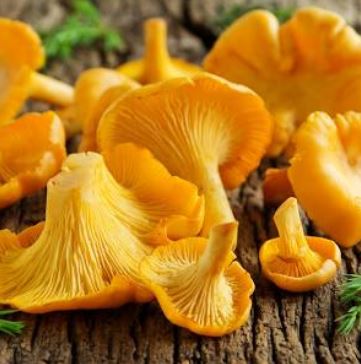
Scientific name: Cantharellus spp. Chanterelle mushrooms are golden yellow in color, have brittle, soft or leathery flesh with spore bearing ridges on the underside of the cap. The size of the cap for the chanterelle averages 2-14 cm and the stem size averages 4-8 cm.
Porcini Mushrooms (Boletus edulis)
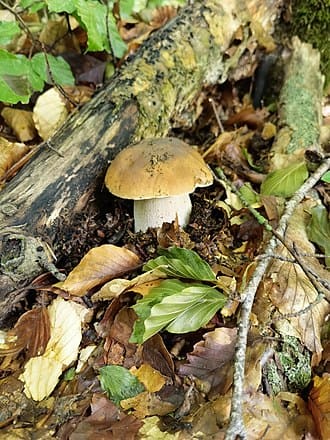
Boletus edulis, known as the king mushroom, cep or porcini, is a very important edible wild mushroom. It is rich in carbohydrates, proteins, minerals, and taste compounds, while low in fat and calories. Diverse in bioactive compounds, including polysaccharides, phenolic compounds, and phytosterols.
Truffles (Tuber spp.)
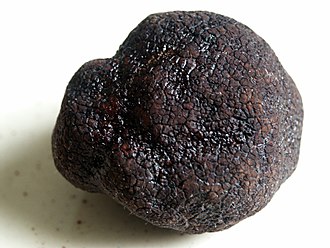
Tuber melanosporum, called the black truffle, Périgord truffle or French black truffle, is a species of truffle native to Southern Europe. It is one of the most expensive edible mushrooms in the world. In 2013, the truffle cost between 1,000 and 2,000 euros per kilogram.
Matsutake Mushrooms (Tricholoma matsutake)
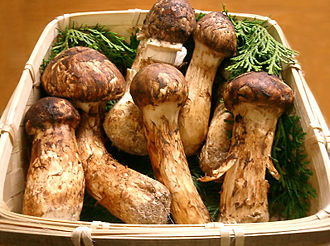
Matsutake, Tricholoma matsutake, is a species of choice edible mycorrhizal mushroom that grows in East Asia, Northern Europe, and North America. It is prized in Japanese cuisine for its distinct spicy-aromatic odor.
Russulas (Russula spp.)
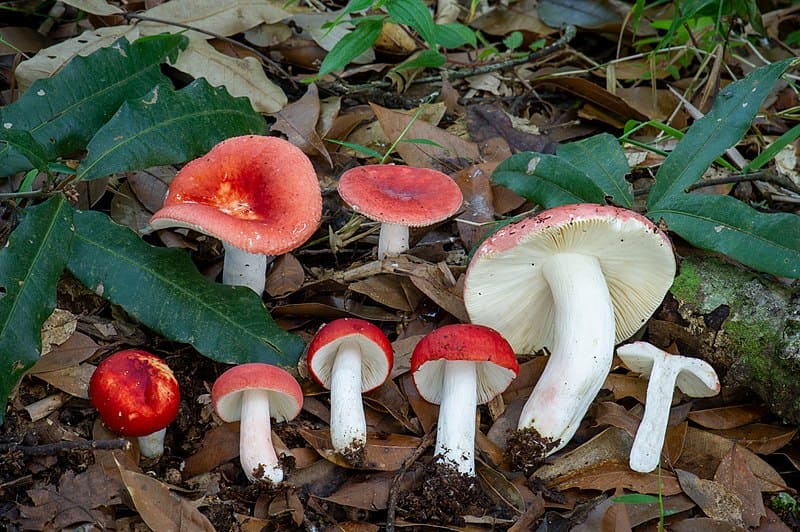
Russula virens has been used in traditional Chinese medicine from the ancient time for the treatment of liver disease, eye problems, and chest distress. Lectins isolated from delica shown an inhibition towards HIV-1 reverse transcriptase. Hence, lectins are potential drugs for treatment of AIDS.
Morels (Morchella spp.)
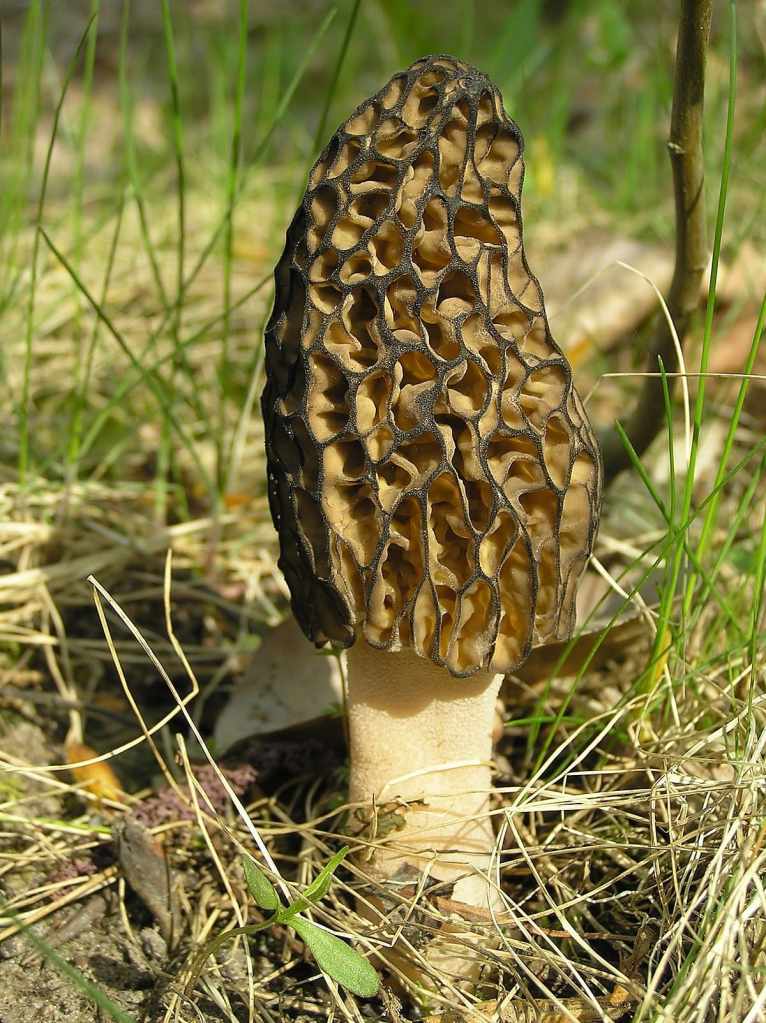
Morchella, the true morels, is a genus of edible sac fungi closely related to anatomically simpler cup fungi in the order Pezizales (division Ascomycota). These distinctive fungi have a honeycomb appearance due to the network of ridges with pits composing their caps.
Coral Mushrooms (Ramaria spp.)
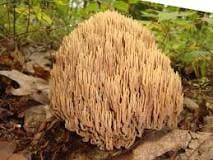
Ramaria stricta, commonly known as the strict-branch coral is a coral fungus of the genus Ramaria. It has a cosmopolitan distribution, and grows on dead wood, stumps, trunks, and branches of both deciduous and coniferous trees.
Medicinal benefits are antimicrobial, antiviral, anti-parasitic, antioxidant, radical scavenger, anticancer, anti-inflammatory, immune system enhancer, and anti-hyperlipidemia
Hedgehog Mushrooms (Hydnum spp.)
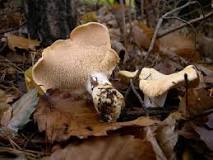
Hydnum repandum is a common and edible species. Also called the “hedgehog mushroom”, H. repandum is most often found in Europe, Mexico, and North America. The smooth cap grows as wide as 8 inches across, and the stem is off-center and is less than 2 inches long.
These are just a few examples of the many different species of mycorrhizal mushrooms that exist. Many of these mushrooms are highly prized by foragers and are considered delicacies in many parts of the world.
You can purchase beneficial microbes from a plant supply store. These microbes are often sold as soil inoculants or biofertilizers, and they contain living microorganisms that can improve soil health and plant growth.
Mycorrhizal Fungi Root Grow


Mycorrhizal Fungi Root Grow Mycorrhizae for Plants Myco Ultra Soil Real Growers Plant Success Root Enhancer for Plants Microbes for Soil Mycorrhizal Inoculant Root Powder for Plants Mycorrhizae Soil
When purchasing beneficial microbes, it’s important to choose a product that is appropriate for your specific needs and growing conditions. Some products may be designed for use in specific crops or soil types, and others may have specific application instructions.
It’s also important to store and handle the products carefully to ensure the microbes remain alive and effective. Many beneficial microbes are sensitive to high temperatures, UV light, and moisture, so it’s important to follow the manufacturer’s recommendations for storage and application.
To read more about the other beneficial soil microbes read the article, “Beneficial soil Microbes.”
Factors That Influence The Distribution Of Soil Borne Pathogens
Many factors in the soil influence the activity of soilborne pathogens and diseases: soil type, texture, pH, moisture, temperature, and nutrient levels are among them. Soils that drain poorly, however, tend to favour the survival and distribution of soilborne pathogens.
Types of Harmful Soil Pathogens
There are many pathogens in soils that may be considered harmful, that may cause decrease in crop yeild. Organisms such as Pythium, Phytophthora, and Aphanomyces.
Predominant Soil Borne Pathogens
Fungi: Sclerotiumrolfsii, Rhizoctoniasolani, Fusariumsp, Pythium, Phytophthora etc.
Bacteria: Erwinia, Raltsonia, Rhizomonas, Agrobacterium, Streptomyces etc.
Nematodes: Meloidogyne, Heterodera, Longidorus, Paratrichodorus
To find out more about harmful soil pathogens read the article, “Pathogens Are Harmful Soil Miceobes.”
Management Of Soil Borne Diseases
Management of soil borne diseases depends on a thorough knowledge of the pathogen, the host plant, and the environmental conditions that favors the infection.
The careful, regular monitoring of fields and the thorough examination of symptomatic plants are essential steps.
The timing of control measures is also critical. Besides being economically sound, a management strategy should also be simple, safe, inexpensive to apply, and sufficiently effective to reduce diseases to acceptable levels.
Few management options possess all of these desirable qualities, however, so it usually is best to integrate multiple management options (e.g., planting resistant varieties, following beneficial cultural practices, and applying disease-control materials).
Cultural Control
Fertilizer Application
Application of fertilizers along with irrigation improves the overall plant health and thereby reduces the impact of severity of diseases.
Application of ammonium bicarbonate reduce the viability of sclerotial bodies of S. rolfsii.
Application of phosphatic fertilizers also influences the host resistance by increasing the production of phytoalexins.
Management of Pythium and Phytophthora by application of phosphoric acid.
Application of gypsum reduces the incidence of Macrophominain groundnut.
Providing Good Soil Drainage And Good Air Circulation Among Plants
Management of irrigation to minimize water dispersal of soil borne pathogens and monitoring disease incidence to avoid spread to other areas are practices that have no apparent involvement with soil microbes. When diseases occur timely removal of dead or infected plants can reduce the potential for inoculum build up.
Good soil drainage reduces the number and activity of certain oomycetes pathogens (eg.,Pythium) and nematodes.
Flooding fields for long periods or dry fallowing may also reduce Fusarium, Sclerotiniasclerotiorum, and nematodes.
Irrigation also helps to reduce the soilborne disease charcoal rot caused by M. phaseolina.
Crop Rotation
Generally soilborne pathogens survive in the soil and plant debris up to several years. Crop rotation will be helpful to control the soilborne inoculum because if the host is not present for particular number of years then the amount of inoculum will be reduced. Satisfactory control through crop rotation is possible with pathogens that are soil invaders, i.e., survive only on living plants or only as long as the host residue persists as a substrate for their saprophytic existence. When the pathogen is a soil inhabitant, however, i.e., produces long-lived spores or can live as a saprophyte for more than 5 or 6 years, crop rotation becomes less effective or impractical. In the latter cases, crop rotation can still reduce populations of the pathogen in the soil (e.g., Verticillium) and appreciable yields from the susceptible crop can be obtained every third or fourth year of the rotation. In some cropping systems the field is tilled and left fallow for a year or part of the year.
Tillage Practices
Soil preparation before sowing helps in reducing pathogen population by either burial of inoculum deep into the soil or its drying in the top exposed layers. The integrated use of tolerant cultivars and cultural practices help to reduce the soil compaction could economically reduce the effects of pea root rot in sandy loam soils.
Soil Amendments
Application of organic amendments like saw dust, straw, oil cake, etc., will effectively manage the diseases caused by Pythium, Phytophthora, Verticillium, Macrophomina, Phymatotrichumand, and Aphanomyces. Beneficial microorganisms increase in soil and help in suppression of pathogenic microbes. For example, application of lime (2500 Kg/ha) reduces the club root of cabbage by increasing soil pH to 8.5. Application of sulphur (900 Kg/ha) to soil brings the soil pH to 5.2 and reduces the incidence of common scab of potato cause by Streptomyces scabies. Application of castor cake and neem leaves helps to reduce the foot rot of wheat.
Soil Solarization
When clear polyethylene is placed over moist soil during sunny summer days, the temperature at the top 5 centimetres of soil may reach as high as 52°C compared to a maximum of 37°C in un-mulched soil. If sunny weather continues for several days or weeks, the increased soil temperature from solar heat, known as solarization, inactivates (kills) many soilborne pathogens such as fungi, nematodes, and bacteria near the soil surface, thereby reducing the inoculum and the potential for disease. Verticillium wilt, Fusarial wilt will be controlled by soil solarization. Bacterial canker of tomato, caused by Clavibactermichiganense, is also reduced by this method. Sub-lethal doses of temperatures due to soil solarization also make the pathogen propagules more susceptible to attack of biocontrol agents.
Biological Control
Biological control of pathogens, There are several diseases in which the pathogen cannot develop in certain antagonistic microorganisms. Avirulent strains of the same pathogen destroy or inhibit the development of the pathogen. In some cases, even higher plants reduce the amount of inoculum either by trapping available pathogens (trap plants) or by releasing into the soil substances toxic to the pathogen.
Chemical Control
Chemical pesticides are generally used to protect plant surfaces from infection or to eradicate a pathogen that has already infected a plant. A few chemical treatments, however, are aimed at eradicating or greatly reducing the inoculum before it comes in contact with the plant. They include soil treatments (such as fumigation), disinfestation of warehouses, sanitation of handling equipment, and control of insect vectors of pathogens.
Soil Treatment with Chemicals Certain fungicides are applied to the soil as dusts, liquid drenches, or granules to control damping-off, seedling blights, crown and root rots, and other diseases. In fields where irrigation is possible, the fungicide is sometimes applied with the irrigation water, particularly in sprinkler irrigation. Fungicides used for soil treatments include metalaxyl, diazoben, pentachloronitrobenzene (PCNB), captan, and chloroneb, although the last two are used primarily as seed treatments. Most soil treatments, however, are aimed at controlling nematodes, and the materials used are volatile gases or produce volatile gases (fumigants) that penetrate the soil throughout (fumigate). Some nematicides, however, are not volatile but, instead, dissolve in soil water and are then distributed through the soil.
Chemicals in plant disease are used to create the toxic barrier between the host surface and pathogen. These are applied in the soil as pre and post plant applications. Generally these treatments are being given in high value cash crops. Applied as soil fumigation, soil drenching and seed treatment.
Fungicides like prothiocarb, propamocarb and metalaxyl are useful to control the Oomycetes pathogens.
Fosetyl – Al is the fungicide which controls the soilborne pathogens when it is used as foliar spray. conducted an experiment to know the efficacy of fungicides as seed treatment. All the fungicides significantly increased seed germination and plant size and reduced seedling mortality and root infection by F. solaniin bottle gourd, bitter gourd and cucumber. For example, best germination was obtained where infested seed of bottle gourd were treated with Aliette (92%) followed by Benlate (90%), Carbendazim, Ridomil, Mancozeb and Vitavax significantly increased germination by 84-88% as compared to control (78%). Effects of fungicides on plant size were significant but varied. Maximum reduction in seedling mortality was obtained where seeds were treated with Topsin-M (4%) followed by RidomilAliette, Benlate, Carbendazim, Mancozeb and Vitavax. Similarly root infection was significantly controlled by fungicidal treatments but with varied effect. Carbendazim and Topsin-M controlled maximum root infection by 6 and 8% respectively.
Host Plant Resistance
Growing of resistance plants is one of the most effective and economical method. Host plant resistance not only reduces the crop losses but lessens the expenditure incurred on disease control as well as reduces the pollution hazards.
Monogenic (Vertical)
Also known as race specific or major gene resistance. It is complete and is stable for pathogens having a few pathotypes but breakdown easily in others. In case of cabbage yellows (F. oxysporumf.sp. conglutinans) monogenic resistance is permanent in nature.
Polygenic (Horizontal)
Also known as race non-specific or quantitative resistance. Polygenic resistance is less effective but generally lasts longer. Host resistance is most effective when combined with cultural and chemical methods.
Transgenic Approaches
Modern DNA technology has made it possible to engineer transgenic plants that are transformed with genes for tolerance of adverse environmental factors, for resistance against specific diseases, or with genes coding for enzymes such as chitinases and glucanases directed against certain groups of pathogens, such as fungi, viruses, and bacteria, or with nucleic acid sequences that lead to gene silencing of pathogens.
Resistance Conferred Through Specific Plant Genes
There are numerous crops in which plant genes for specific pathogens have been isolated from resistant plants, transferred into susceptible plants, and expressed in these plants. Provided that all the necessary supporting genes are also transferred and expressed in the new host, some of the formerly susceptible plants now behave as resistant ones. Such resistant plants are subsequently cloned and multiplied, each producing a distinctive line or variety of plant that is resistant to the specific pathogen. When the resistance gene DRR206 from pea was transferred into canola, the transgenic canola plants exhibited resistance to blackleg disease, caused by the fungus Leptosphaeriamaculans, decreased seedling mortality caused by the root pathogen Rhizoctoniasolani, and resulted in smaller leaf lesions caused by Sclerotiniasclerotiorum.
DR, Veena, et al. “Soilborne Diseases in Crop Plants and Their Management.” Research & Reviews: Journal of Agriculture and Allied Sciences, vol. 3, no. 2, pp. 12–18. Accessed 3 May 2023.
Biodiversity in Sustainable Farming
Regenerative Soil
What Is Regenerative Agriculture?
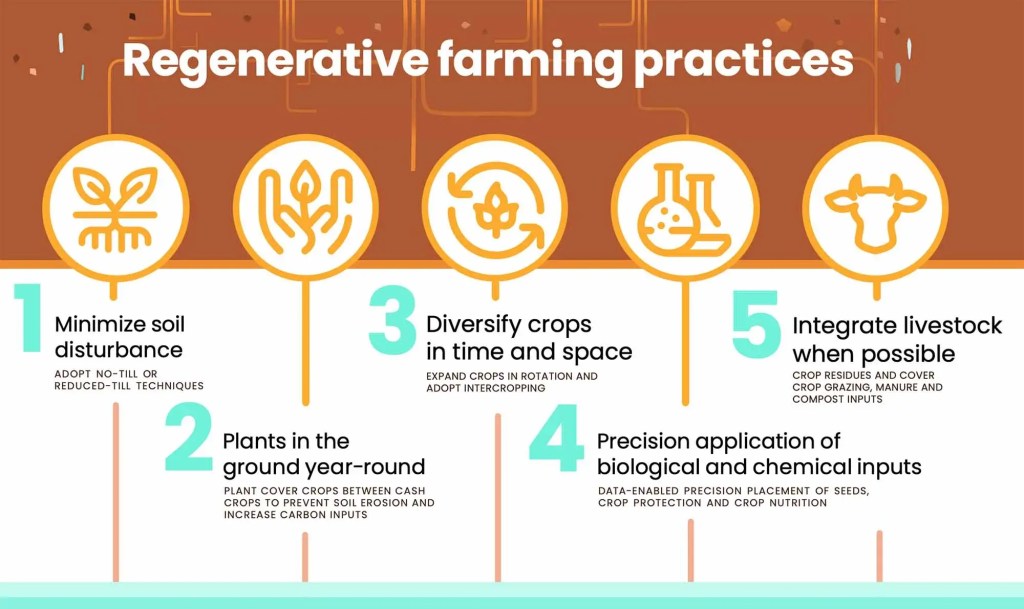
Regenerative agriculture describes holistic farming systems that, among other benefits, improve water and air quality, enhance ecosystem biodiversity, produce nutrient-dense food, and store carbon to help mitigate the effects of climate change.

Regenerative Farming Benefits
Climate. It helps mitigate emissions such as through carbon sequestration and improved crop resilience for climate shocks.
Soil Health. It improves soil fertility through increased biomass production, thereby preventing soil degradation.
Resource Use Efficiency. Higher nutrient use efficiency (NUE) increases crop yield and optimizes land use efficiency, while improved water use efficiency reduces the stress on freshwater reserves.
Biodiversity. More diverse rotation and reduced pesticide usage supports biodiversity on farms while, in some cases, higher crop yields mean more natural habitats can be protected rather than cleared for agriculture.
Prosperity. Regenerative agriculture improves long-term farmer livelihood through reduced costs, improved crop yield and crop quality, and greater resilience to market volatility and extreme climate events. It also opens new green revenue streams for farmers, such as rewarding them for carbon capture and storage in the soil.
Holsether, Svein Tore, and Grant F. Reid. “5 Benefits of Regenerative Agriculture – and 5 Ways to Scale It.” World Economic Forum, 11 Jan. 2023, https://www.weforum.org/agenda/2023/01/5-ways-to-scale-regenerative-agriculture-davos23/.
Syngenta. “Regenerative Agriculture.” Syngenta, https://www.syngentagroup.com/en/regenerative-agriculture. Accessed 6 May 2023.
Disease Suppressive Soils

Disease-suppressive soils, were initially defined by Cook and Baker in 1983 as “soils in which the pathogen is not able to establish or persist, the pathogen establishes but causes no damage, or the pathogen causes some damage, but the disease becomes progressively less severe, even though the pathogen persists in soil.”
That is, the pathogen either does not establish itself or, once established, it does not cause damage, due to the antagonistic action of other beneficial microorganisms. Such soil presents unfavorable conditions for the pathogen, which sees its growth and development capacity reduced and its harmful activity neutralized.
Soil suppressiveness is widely used in sustainable agriculture practices, to reduce the need for chemical pesticides and fertilizers. The ability of soil to suppress pathogen growth will vary depending on the type of soil, climate and other factors.
Several soilborne pathogens, such as Fusariumoxysporum(the cause of vascular wilts), Gaeumannomycesgraminis , Phytophthoracinnamomi (the cause of root rots of many fruit and forest trees), Pythiumspp. (a cause of damping-off), and Heteroderaavenae(the oat cyst nematode), develop well and cause severe diseases in some soils, known as conducive soils, whereas they develop much less and cause much milder diseases in other soils, known as suppressive soils. Suppressive soil added to conducive soil can reduce the amount of disease by introducing microorganisms antagonistic to the pathogen.
Numerous kinds of antagonistic microorganisms have been found to increase in suppressive soils; most commonly, however, pathogen and disease suppression has been shown to be caused by fungi, such as Trichoderma, Penicillium, and Sporidesmium, or by bacteria of the genera Pseudomonas, Bacillus, and Streptomyces. For example, soil amended with soil containing a strain of a Streptomyces species antagonistic to Streptomyces scabies, the cause of potato scab, resulted in potato tubers significantly free from potato scab. Suppressive, virgin soil has been used, for example, to control Phytophthora root rot of papaya by planting papaya seedlings in suppressive soil placed in holes in the orchard soil, which was infested with the root rot Phytophthorapalmivora.
“How Suppressive Soil Yields Healthier Crops.” How Suppressive Soil Yields Healthier Crops | Alltech, https://www.alltech.com/blog/how-suppressive-soil-yields-healthier-crops. Accessed 6 May 2023.
The Future of Sustainable Farming
Using Microscope To Identify Soil Microbes

Microbes are too small to be seen with a regular magnifying glass, even if it has a high magnification power.
To count microbes, you need to use a microscope, which allows you to see individual cells. Microscopes used for microbiology are specially designed to provide high magnification and resolution, and they often have additional features like phase contrast or fluorescence microscopy that can enhance visualization of microbes.
What type of Microscope Do You Need?

There are portable microscopes available that can be used in the field, such as handheld USB microscopes that can be connected to a laptop or mobile device. However, these microscopes still have limitations in terms of magnification and resolution, so they may not be suitable for accurate microbe counting.
Ways to Analyze Soil Microbes.

XSZ-107T Binocular Biological Microscope Science Educational
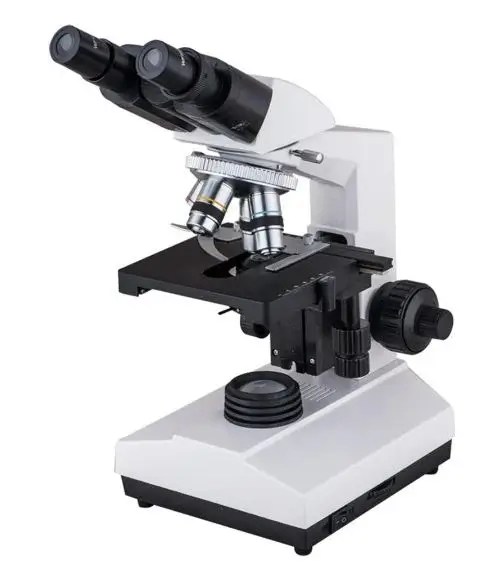
XSZ-107T Binocular Biological Microscope Science Educational
The XSZ-107T Binocular Biological Microscope is a common type of compound microscope that is widely used in scientific and educational settings. It is designed to provide high magnification and resolution, making it ideal for observing small specimens such as cells and microorganisms.
Some of the features of the XSZ-107T Binocular Biological Microscope include:
- Binocular viewing: This microscope has two eyepieces, allowing for comfortable and ergonomic viewing.
- Magnification: The XSZ-107T can magnify specimens up to 1000x, providing detailed views of even the smallest structures.
- Illumination: The microscope has a built-in LED light source, providing bright and even illumination of the specimen.
- Coarse and fine focusing: The microscope has both coarse and fine focus adjustment, allowing for precise focusing of the specimen.
- Mechanical stage: The XSZ-107T has a mechanical stage, which allows for precise movement of the specimen under the objective lenses.
The XSZ-107T compound microscope can be used for soil microbe identification, as it has a magnification range of 40x to 1000x, which is suitable for observing microorganisms in soil samples. However, it is important to note that identifying microorganisms in soil requires specialized staining techniques and expertise in microbiology. Therefore, it is recommended that you consult with a microbiologist or a soil scientist for guidance on sample preparation, staining, and identification of soil microbes using a compound microscope. Additionally, you may need to use other equipment, such as a centrifuge, incubator, and agar plates, to culture and identify specific microorganisms in soil samples.
Overall, the XSZ-107T Binocular Biological Microscope is a versatile and reliable tool for scientific and educational applications. It is commonly used in biology, microbiology, and other life sciences, as well as in medical and veterinary settings.
Other Microscopes and Testing Supplies


For a more accurate and comprehensive analysis of the microbial community in soil, it’s best to use laboratory-based techniques such as metagenomics, metatranscriptomics, metaproteomics, and metabolomics.
Biological Compost
Biological compost is a type of compost that is made by allowing organic matter to decompose through the action of microorganisms, such as bacteria, fungi, and other soil-dwelling organisms. This process breaks down the organic material into a nutrient-rich soil amendment that can be used to improve soil health and fertility.
Biological compost is important for several reasons:
It enriches the soil: Biological compost is a rich source of nutrients that can improve soil fertility, increase the availability of nutrients to plants, and enhance the overall health of the soil. The nutrients in compost can also help to promote plant growth, increase crop yields, and improve the quality of fruits and vegetables.
It reduces waste: By composting organic matter such as food scraps and yard waste, we can divert these materials from landfills, where they would otherwise contribute to greenhouse gas emissions and take up valuable space.
It promotes sustainability: Biological composting is a natural process that mimics the nutrient cycling that occurs in natural ecosystems. By composting, we can reduce our reliance on synthetic fertilizers and promote more sustainable agricultural practices.
It improves soil structure: The organic matter in compost can help to improve soil structure and porosity, which can increase water retention and reduce erosion. This can help to prevent soil degradation and promote long-term soil health.
Overall, biological compost is an important tool for promoting sustainable agriculture, reducing waste, and improving soil health.
Conclusion
Our website aims to provide valuable insights into the soil microbiome, its importance in sustainable farming, and the challenges associated with soil restoration and biodiversity rejuvenation. We hope that our content will inspire and inform farmers, policymakers, and the general public about the critical role of soil health in ensuring a sustainable future for our planet.
To read more about the other beneficial soil microbes read the article, “Beneficial soil Microbes.”
To find out more about harmful soil pathogens read this article, “Pathogens Are Harmful Soil Miceobes.”


