

This page may contain products from our partners that we promote if you click on a product and make a purchase wr will receive a commission. please see affiliate disclaimer
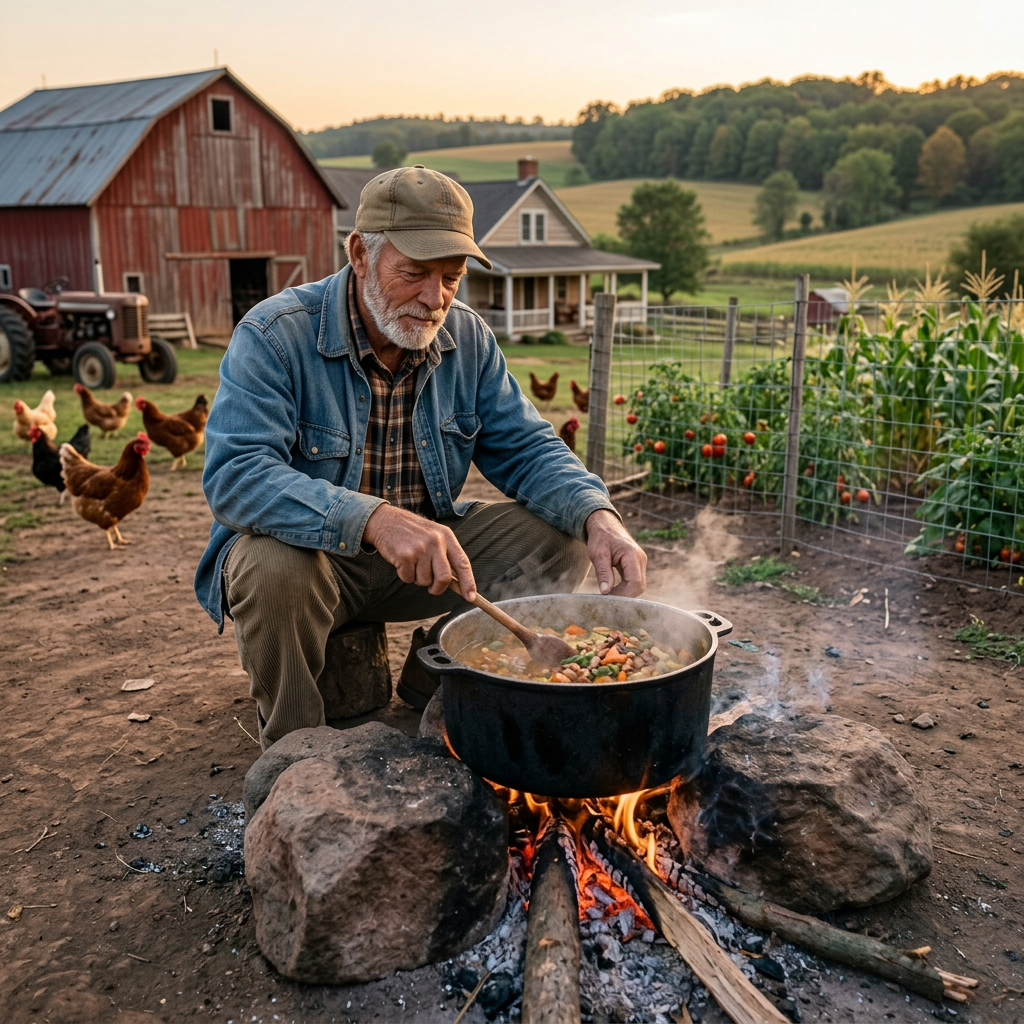
The Connection Between Farming and Cooking
Farming is the backbone of our food system, providing the essential sustenance that individuals and communities depend on. It’s not just about growing crops; farming drives the economy by creating jobs and supporting local and national markets. But there’s so much more to it than just planting and harvesting. Farmers play a crucial role in ensuring food security, promoting sustainable practices, and boosting local economies. It’s all about minimizing waste and finding creative ways to use what you harvest.
Value-Added Products
By investing in modern appliances, farmers can create value-added products that increase their income. For instance, turning fresh fruits into jams or vegetables into pickles allow them to sell these items at higher prices than raw produce, which are highly perishable when not stored properly. You can find many of these delicious value-added products at farmers’ markets— pies, cakes, juices, preserves, candies, ice creams, and so much more.
In this article, I’ll explore the connection between farming and cooking, highlighting essential tools and techniques that every farmer and home cook should consider to elevate their culinary skills. I’ll also provide links to websites where you can find some of the best appliances and valuable resources to enhance your cooking experience.
Cooking with Local Ingredients
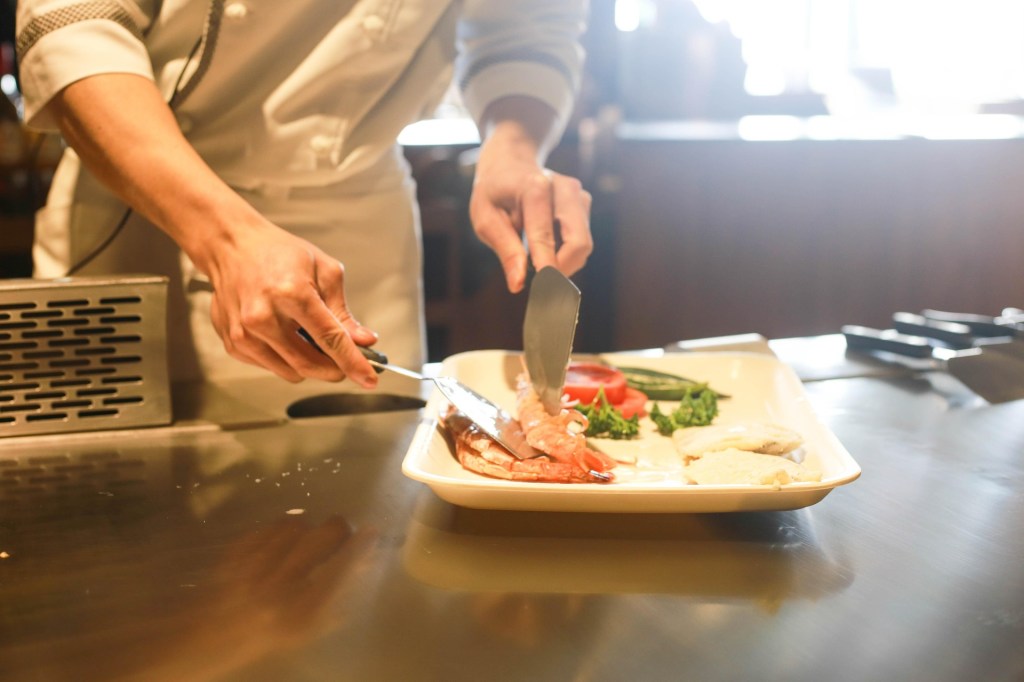
I am sure that you will agree that cooking and farming go hand in hand. Using local farm produce isn’t just about feeding ourselves; it’s a celebration of culture and community. Many dishes have historical roots, reflecting a blend of indigenous, American, African, European, and Asian influences that have shaped culinary traditions over generations. These diverse flavors not only tantalize our taste buds but also tell stories of migration, adaptation, and innovation. Family gatherings often revolve around cooking and sharing meals made from ingredients grown nearby,. It creates a strong sense of connection, as friends and relatives gather around the table, they engage in lively conversations, sharing recipes passed down through the years, and creating new memories centered on food that nourishes both body and soul. This practice not only fosters relationships but also supports local farmers, and encourage sustainable agricultural practices that benefit the environment and the economy. Embracing home-cooked meals made from local ingredients ultimately strengthens our bond with the earth and each other, reminding us of the importance of community in our everyday lives.
The Farmer’s Kitchen
Have you ever wondered about the cooking appliances used to make those tasty goodies you find at farmers’ markets? There are so many different tools used to create preserves, sausages, juices, baked goods, salsas, pickles, honey, yogurt, jerky, dried fruit, special blend spice mix, and more. The Farmer’s Kitchen is a unique concept that combines traditional farming practices with modern culinary techniques. It highlights the importance of using fresh, locally sourced ingredients while employing the right tools, and methods. People love to buy special treats that farmers make because these items offer unique, high-quality flavors that grocery store brands cannot match.. Better flavor, unique recipes, real ingredients that are ready to use, year round treat with longer storage life.
Bridging Cooking and Farming
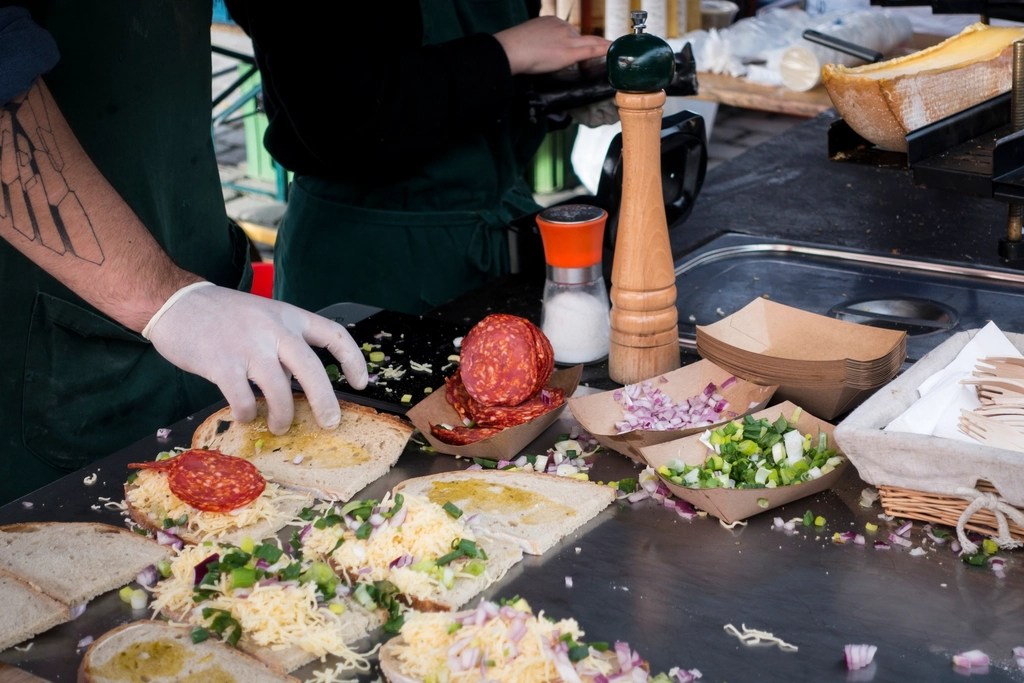
The intersection of cooking and farming is like a beautiful tapestry woven from the region’s rich agricultural heritage and culinary traditions. By embracing local farm produce, chefs and home cooks alike create dishes that are not only delicious, reflect the vibrant culture and community around them, but they also bring in income because such treats are liked by many .
For those new to farming and looking to create value-added products, it’s important to start with durable and effective cooking appliances. They don’t have to be expensive, especially for beginner chefs. These appliances are often collectables the artisan saves over time. Many trusted brands offer high-quality appliances that are affordable.
The Role of Cooking Appliances in Farming
Cooking appliances are vital for both home and farm use. Most farms are located in remote areas, which means having essential items on hand is crucial. It’s a bit like going on a camping trip where you pack everything you need. Farming often takes place in these remote settings for extended periods, with the goal of developing a fully functional homestead. However, the cooking appliances used on a farm differ from those in a typical home, mainly due to their energy consumption needs. Here are some types of appliances that are better suited for life on the farm.
Manual Appliances Make a Comeback
Mentioned in this article
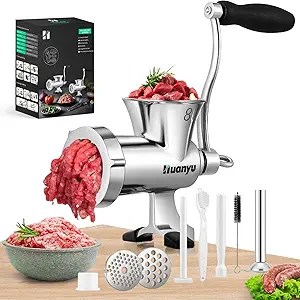
Meat Grinder
As the handle turns or the motor runs, the auger moves meat toward the blade, which cuts it and forces it through the plate’s holes for consistent ground meat, letting you control fat content, texture, and use trimmings efficiently for sausages, burgers, pet food, or other value-added products.
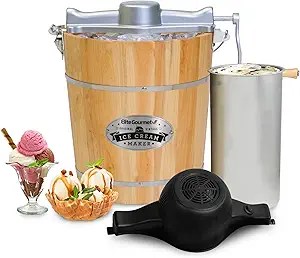
Ice Cream Maker
Old-fashioned ice cream makers bring back the charm of simpler times, when families gathered to churn fresh cream, sugar, and real fruit into a frozen treat by hand. Using a hand-crank barrel packed with ice and rock salt, these timeless machines slowly freeze the mixture, creating a rich, velvety texture that modern electric models often can’t match. The steady rhythm of turning the crank, the anticipation as the mixture thickens, and the first taste of cold, creamy ice cream make the process as delightful as the dessert itself.
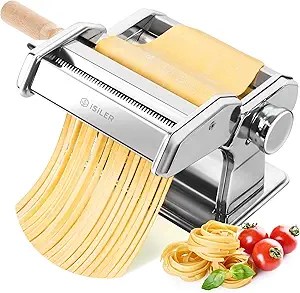
Pasta Maker
Pasta makers bring the art of traditional Italian cooking into your kitchen, turning simple ingredients like flour and eggs into fresh, tender noodles with just a few turns of the handle. The hands-on process of kneading, rolling, and cranking not only produces superior texture and flavor compared to most dried pasta, but also transforms meal prep into an enjoyable, shared experience.
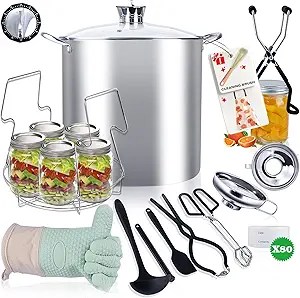
Canning Kit
Whether you’re making jams, pickles, salsas, or vegetables, a quality canning kit empowers you to transform fresh ingredients into shelf-stable products that celebrate the flavors of your land while building a sustainable pantry for the months ahead.
Enhancing Economic Viability
Cooking appliances aren’t just tools for meal prep; they enhance the economic viability and sustainability of farming operations. By facilitating food processing and preservation, they play a significant role in the agricultural value chain. Convenient cooking appliances help reduce energy consumption and food waste, which is essential for farmers looking to minimize their environmental impact. Energy-efficient models use less electricity or gas, and appliances like dehydrators and canners help farmers make the most of their harvests, reducing spoilage and waste.
Unique Trades in Farming
In farming communities, cooking tools are crucial for daily life and cultural practices. They not only facilitate meal preparation but also play a significant role in enhancing the culinary experience by making the most of locally sourced ingredients. The tools in the section are very efficient, ranging from traditional hand-crafted utensils to modern appliances, contribute to preserving age-old cooking techniques and recipes passed down through generations. Furthermore, they encourage creativity in the kitchen, enabling cooks to explore various flavors and textures inherent in seasonal produce. They allow cooking professional to work comfortably on a farm.
Let’s look at some energy-efficient appliances that are super important but use minimal energy: Often farms are in areas where there is low energy reserves. Powerful tools that can be powered by reusable energy are best suited for these settings.
- Solar Stoves – Innovative cooking solutions that harness the power of the sun, requiring no fuel and producing zero emissions, making them environmentally friendly and sustainable options for various cooking needs.
- Propane Refrigerators: These innovative appliances are designed to operate efficiently using propane gas, providing a reliable alternative to traditional electric refrigerators, especially in off-grid locations or during power outages. They are favored for their energy efficiency and ability to maintain cool temperatures without the need for electricity, making them an ideal choice for campers, RV enthusiasts, and those living in remote areas.
- Biogas Stoves: Biogas stoves are an environmentally friendly alternative for cooking as well, utilizing renewable energy generated from organic waste. They provide an efficient way to reduce carbon emissions while using locally available materials. Additionally, biogas stoves can help improve indoor air quality, making them a valuable resource in both urban and rural settings.
- Solar Ovens: An eco-friendly option for cooking using solar energy, allowing you to harness the sun’s power to prepare a variety of dishes while minimizing your carbon footprint and conserving traditional energy resources.
Sustainable farming practices directly influence the quality and availability of ingredients used in cooking. By prioritizing local and organic produce, farmers contribute to healthier food options that are often fresher and more flavorful. This connection between sustainable farming and cooking encourages chefs and home cooks to appreciate seasonality and locality, leading to more mindful cooking practices. Supporting local farmers helps preserve traditional farming practices and promotes biodiversity. By choosing to cook with seasonal and locally sourced ingredients, we can all contribute to a more sustainable food system.
Mentioned in this article

Solar Oven
Whether you’re making jams, pickles, salsas, or vegetables, a quality canning kit empowers you to transform fresh ingredients into shelf-stable products that celebrate the flavors of your land while building a sustainable pantry for the months ahead.
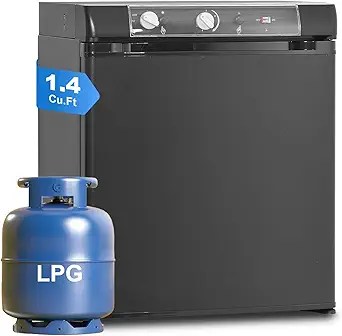
Propane Refrigerator
A propane refrigerator is an efficient, off-grid cooling solution that uses gas instead of electricity to keep your food fresh and safe. Ideal for remote cabins, RVs, and homesteads, it provides reliable cold storage even during power outages. With minimal moving parts, propane fridges are known for their quiet operation and long-lasting performance, helping you preserve fruits, vegetables, and other perishables straight from your land.
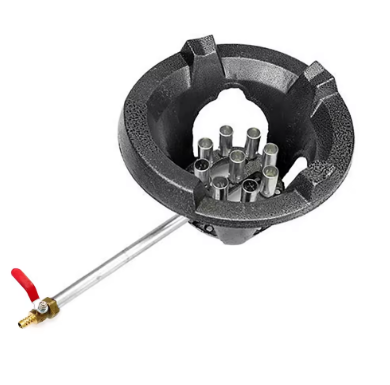
Biogas Burner
A biogas burner is a clean-energy cooking appliance that runs on biogas
— a renewable fuel generated from the decomposition of organic waste such as animal manure, crop residues, and food scraps. For farmers and homesteaders, biogas burners offer a practical way to close the waste loop, turning everyday farm byproducts into a reliable energy source that powers the kitchen year-round.
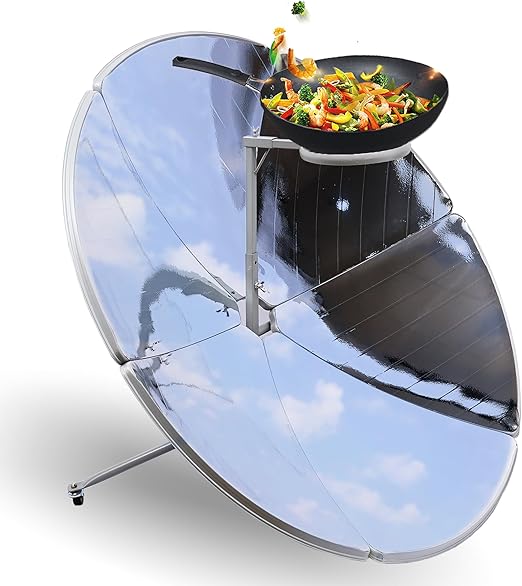
Solar Stove
It works by capturing and trapping the sun’s rays, converting light into thermal energy that is focused on your cookware. This makes solar stoves ideal for off-grid living, emergency preparedness, and sustainable cooking, reducing reliance on fossil fuels and minimizing smoke, emissions, and fire risk.
Boosting Productivity
Now, let’s dive into outdoor cooking for farm life! The Farmer’s Kitchen extends outdoors, embracing the philosophy of fresh, local, and sustainable cooking. This approach not only enhances the flavors of the meals but also fosters a deeper connection with nature and the land that nurtures us. Imagine gathering fresh herbs, vegetables, and meats right from your garden or local farm stand, then utilizing the perfect tools, like cast iron skillets and wood-fired grills, to transform these ingredients into culinary masterpieces. With the right tools and techniques, you can create delicious meals that celebrate the bounty of the land, all while enjoying the fresh air and sunshine. Outdoor cooking also encourages creativity; you can experiment with different smoking methods, try your hand at open-fire cooking, or bake bread in a stone oven, making each meal a unique and memorable experience. It is possible to create cherished memories while feasting on the wholesome and flavorful dishes born from a farmer’s kitchen.
Efficient cooking appliances significantly boost productivity on farms. With tools designed to cook food quickly and evenly, farmers can process large quantities of produce in less time. This is especially important during peak harvest seasons when the volume of crops can be overwhelming. For instance, pressure cookers and steamers can drastically cut cooking times, allowing farmers to prepare meals or process food for preservation quickly. This efficiency saves time and lets farmers focus on other essential tasks like planting, harvesting, and managing livestock.
Mentioned in this article
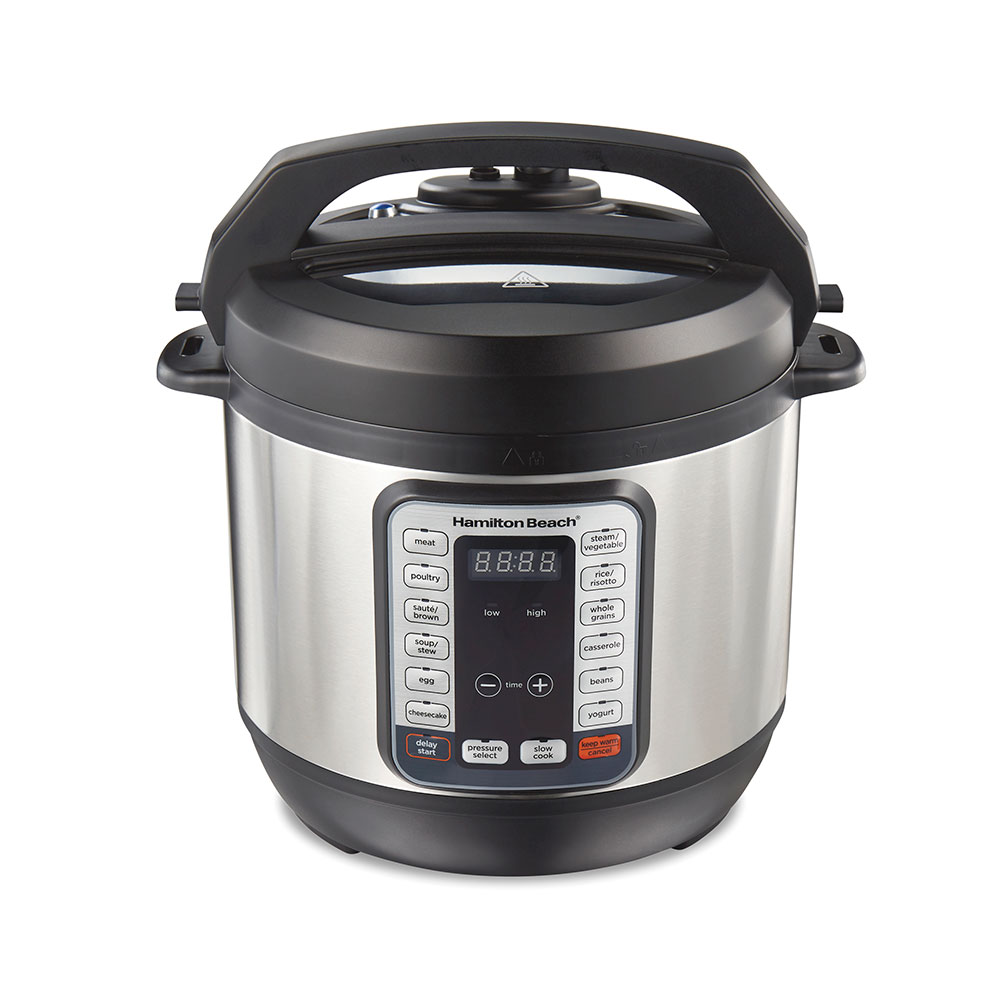
Pressure Cookers
Pressure cookers are tightly sealed pots that cook food quickly. As the liquid inside heats and turns to steam, pressure builds, forcing heat deep into foods like beans, grains, and tough cuts of meat, tenderizing them in a fraction of the usual time. This efficient method allows home cooks to prepare hearty soups, stews, stocks, and batch-cooked meals with minimal effort, making pressure cookers a versatile and valuable tool in any kitchen.
Solar ovens are ingenious devices that harness the sun’s energy to bake, roast, and slow-cook food—requiring no fuel, electricity, or ongoing operational costs once you have one. These insulated boxes work by trapping solar radiation through a glass top, converting sunlight into steady, reliable heat that can reach temperatures between 300–400°F, perfect for preparing meals while you tend to farm duties. Beyond being incredibly eco-friendly and zero-emission, solar ovens promote sustainable farming practices by reducing your carbon footprint and energy dependence, making them an ideal companion to off-grid or homestead lifestyles. For farmers and rural communities, solar ovens shine brightest during the growing season when you need to process harvests into value-added products like bread, preserves, or dried goods without straining limited power resources. Whether you’re baking fresh bread from locally grown grain, slow-cooking a hearty stew, or drying herbs from your garden, a solar oven embodies the farm-to-table philosophy while adding a touch of romance to outdoor cooking in nature’s own sunlit kitchen.
Outdoor Cooking for Farm Life
Now, let’s dive into outdoor cooking for farm life! The Farmer’s Kitchen extends outdoors, embracing the philosophy of fresh, local, and sustainable cooking. This approach not only enhances the flavors of the meals but also fosters a deeper connection with nature and the land that nurtures us. Imagine gathering fresh herbs, vegetables, and meats right from your garden or local farm stand, then utilizing the perfect tools, like cast iron skillets and wood-fired grills, to transform these ingredients into culinary masterpieces. With the right tools and techniques, you can create delicious meals that celebrate the bounty of the land, all while enjoying the fresh air and sunshine. Outdoor cooking also encourages creativity; you can experiment with different smoking methods, try your hand at open-fire cooking, or bake bread in a stone oven, making each meal a unique and memorable experience. It is possible to create cherished memories while feasting on the wholesome and flavorful dishes born from a farmer’s kitchen.
Outdoor Cooking Equipment:
Outdoor cooking equipment is essential for anyone looking to elevate their al fresco dining experience. This category includes a variety of tools and appliances, such as portable grills, smokers, and camp stoves, designed for convenience and versatility. Grills, whether charcoal, gas, or electric, allow for quick and flavorful meals, while smokers impart a rich, smoky taste to meats and vegetables. Additionally, cast iron cookware, such as Dutch ovens and skillets, are perfect for preparing hearty dishes over an open flame or on a camping trip. Other useful items include portable fire pits, which create a cozy atmosphere and can double as a cooking surface, and utensils like spatulas, tongs, and thermometers that ensure perfect cooking results. With the right outdoor cooking equipment, you can enjoy delicious meals under the open sky, making every gathering memorable.
Mentioned in this article
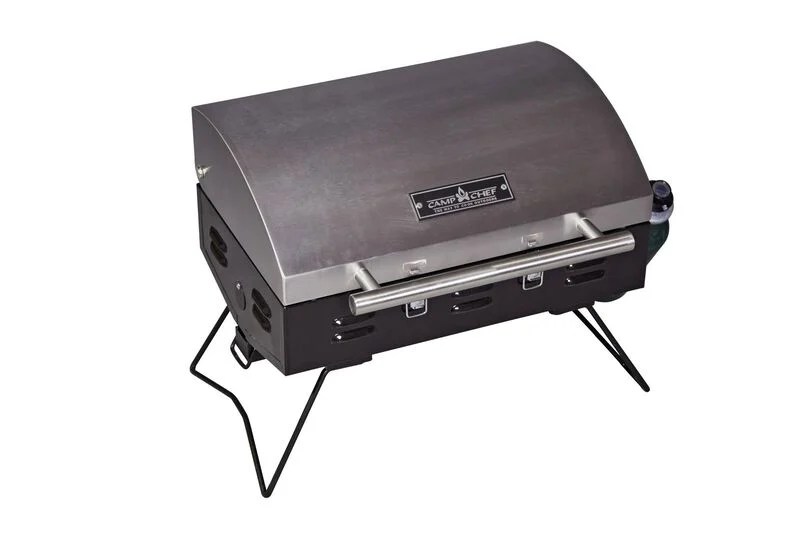
Portable Grill
Portable grills make it easy to cook fresh, flavorful meals wherever you are—from backyard gatherings to lakeside picnics and camping trips. Compact yet powerful, they heat up quickly, handle everything from veggies to meats, and pack away neatly when you’re done, so you can enjoy real grilled taste without a full-size setup.
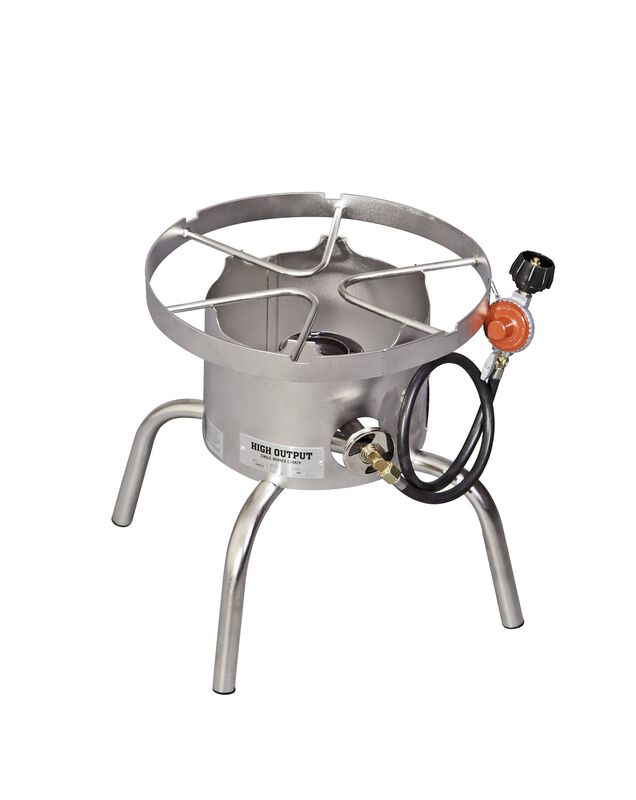
Single Burner Camp Stove
A single burner camp stove is a compact, portable stove with one cooking element, perfect for boiling water, simmering meals, or brewing coffee at your campsite, in the backyard, or on the go. Its small size makes it easy to pack and quick to set up, while still providing reliable heat for simple, one-pot cooking.
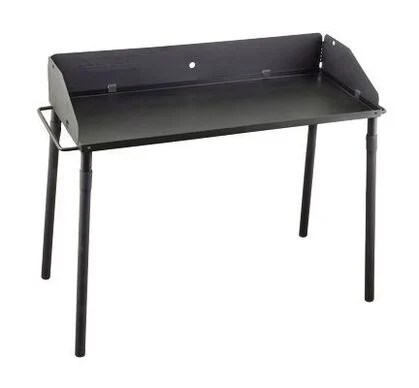
Cutting Board
A cutting board is an essential prep tool for any kitchen or camp setup. Whether you’re slicing vegetables fresh from the garden, breaking down meats, or prepping ingredients for a one-pot meal, a solid cutting board gives you a safe, stable surface to work
Conclusion
In conclusion, the connection between farming and cooking extends far beyond the simple act of preparing food; it embodies a holistic approach to our food system that emphasizes sustainability, creativity, and community. As farmers innovate by producing value-added products, they not only enhance their economic viability but also enrich our culinary experiences. By transforming fresh ingredients into delightful jams, preserves, and other treats, they showcase the potential of local produce while minimizing waste and maximizing flavor. This synergy between farming and cooking fosters a deeper appreciation for the origins of our food and encourages consumers to support local agriculture. Ultimately, embracing this connection can lead to healthier eating habits, stronger communities, and a more sustainable future for our food systems.


Leave a comment