

This page may contain products from our partners that we promote if you click on a product and make a purchase wr will receive a commission. please see affiliate disclaimer
Best Management Practices for plant root care encompasses; pest management, soil preparation, water/irrigation management, and constant observation of the garden to ensure that everything that goes into the soil is safe for the plants. The soil that surrounds the root of a plant is the most basic but necessary substance that the plant needs. And, what’s in it are contributing factors that determine how healthy the plant will be. A weed that has been extracted out of the soil and a vegetable plant also extracted; placed side by side to make a comparison of the plants will show that both plants look healthy. The leaves are lush green indicating adequate chlorophyll. The stems upright and sturdy supporting the plant structure. No signs of wilting. The roots are plump, bright color, dense and flowing in all directions. But, why is it that a weed thrives almost anywhere it sprouts and a vegetable plant only thrive in selected areas when the seeds germinate?
Growing healthy vegetables begins with understanding the importance of the soil that the plant is grown in. Where as some weeds have medicinal value they may have low caloric content so they require less nutrients from the soil and can easily survive. Have you ever noticed that weeds often grow in the best areas of the garden. An area where the sunlight is not so direct, the soil is well drained but moist and the soil depth is fertile and adequate to grow vegetables. There is a weed plant in the spot where a vegetable should be.. The very thought of this fact is a puzzling one.
Most vegetables need about three months or slightly more, to produce an abundance of flowers that develop into fruit or vegetable that is used to prepare sumptuous meals that feed the entire family. On the other hand, weeds grow in many areas of the garden and thrive for longer lengths than vegetable plants. Placing emphasis on the roots, gardeners can create ideal soil and cultivate healthy vegetable plants with robust root systems. Proactive measures can restore soil health to make the plants strong by using different ways to prevent depletion of minerals, and nutrients.
Vegetable plants have more nutrients, calories, and floral appeal than weeds. They require rich soil that provide the substance that they need to grow and create food. Growing healthy vegetables begins with understanding the importance of soil, particularly the rhyzosphere . This layer, just around the soil roots, plays a vital role in supporting plant growth and ensuring that vegetables thrive. In this article, we will explore what makes great soil for planting vegetables, and discuss how to create healthy roots, and maintain soil health, especially when nutrient depletion occurs.
A Healthy Root
Let’s take a look at what Healthy roots are;
- White or Light Tan indicating vitality.
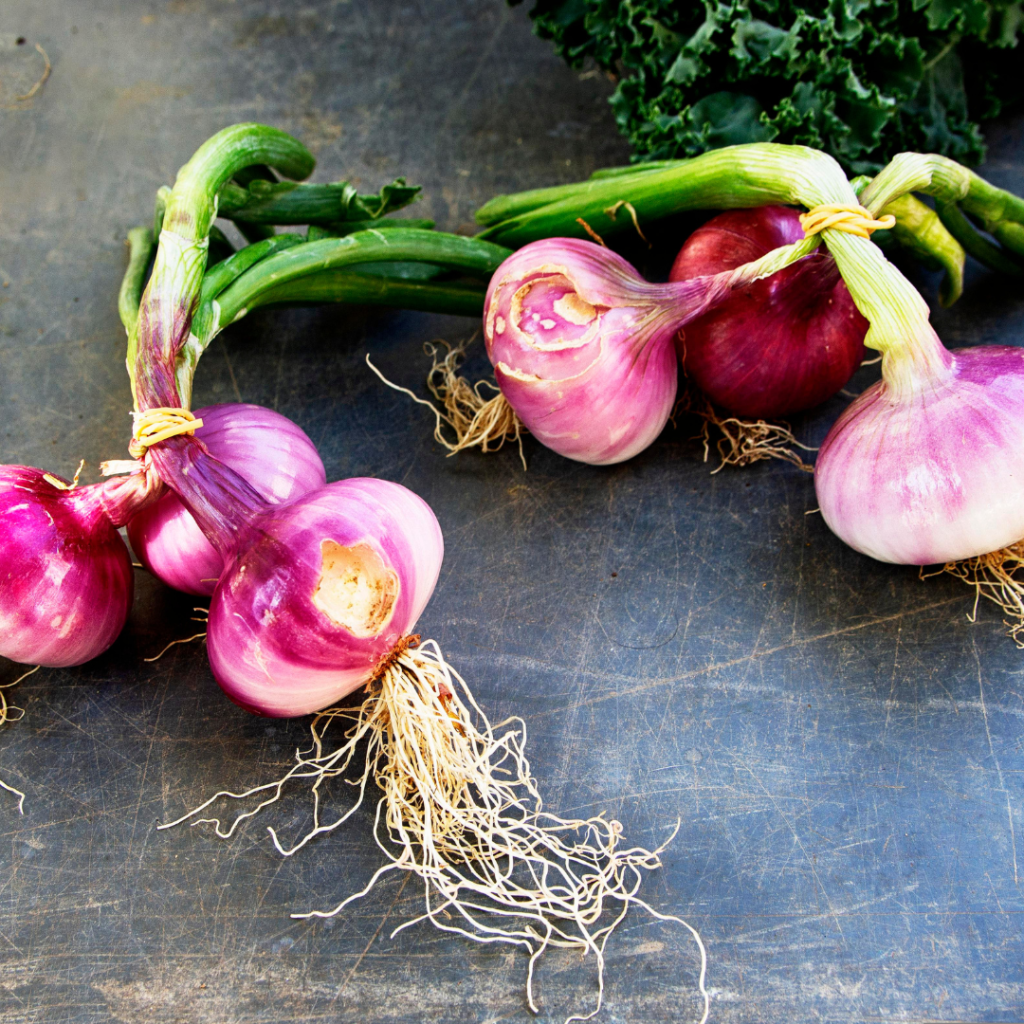
- Robust with a firm texture, showing that they are capable of absorbing water and nutrients effectively.
- Extensive and fibrous, spreading out widely with many fine roots and hair, which increase the surface are for absorption.
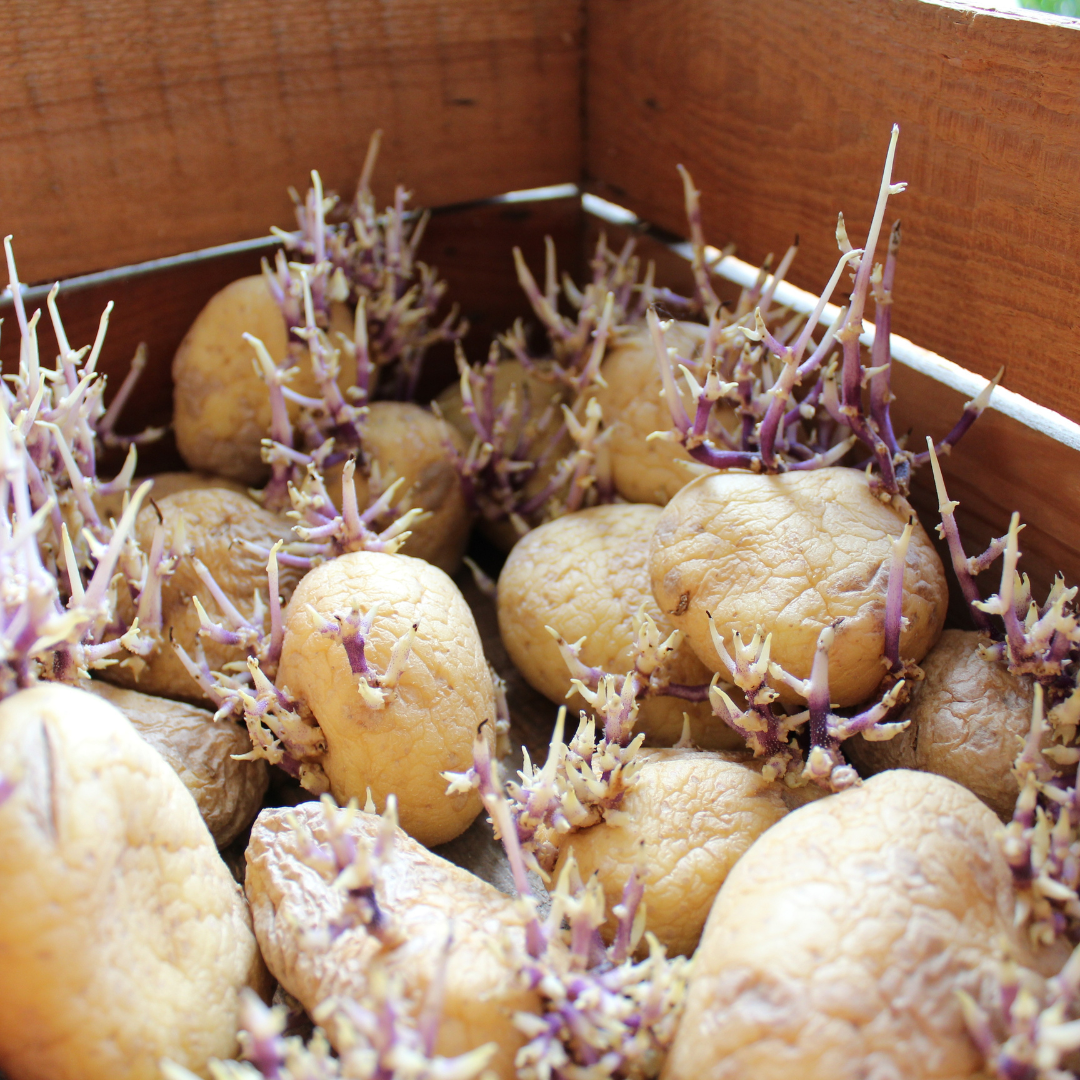
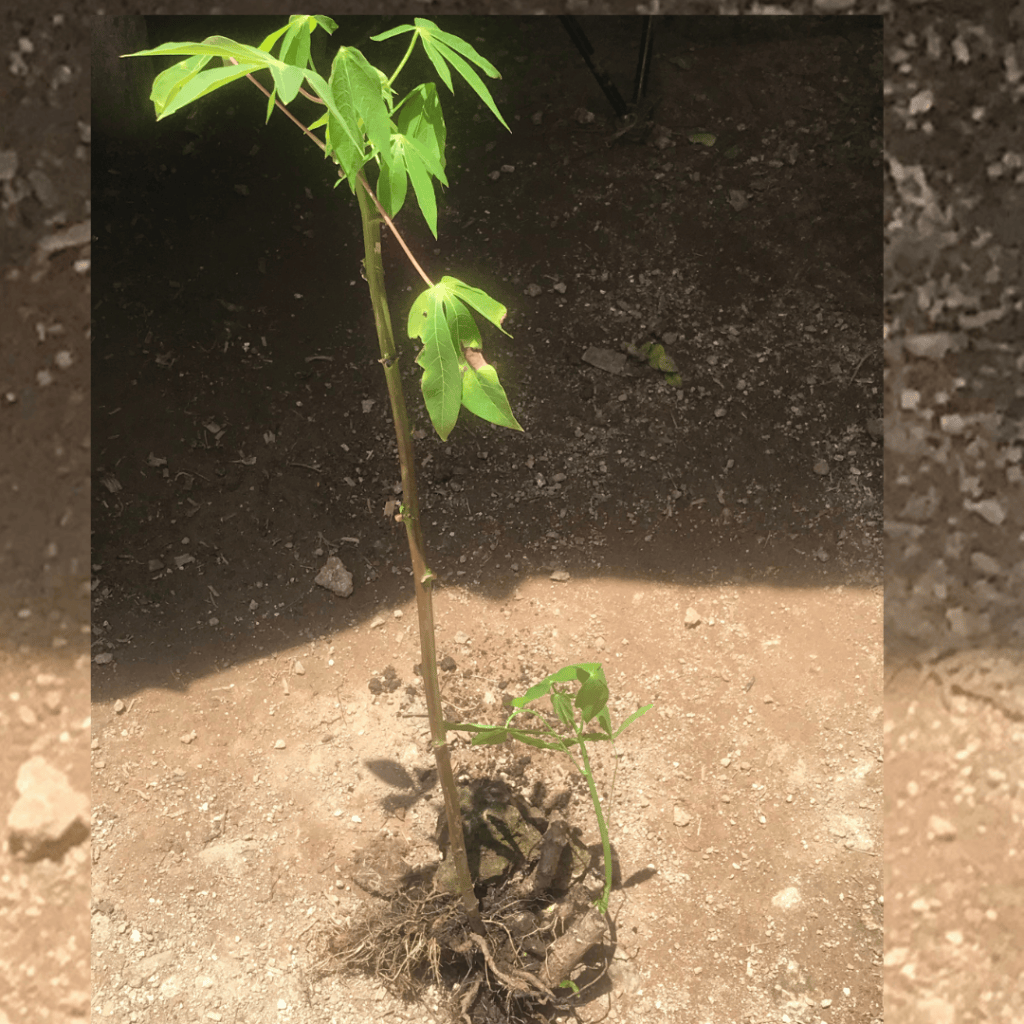
Indeed a plant root is a bit more complicated than it seems. However, it is worth it to care for the plant roots so that the plant can get all the nutrients from the soil. Simple tuber plants such as sweet potato, radish, turnips,and yucca are easy to grow and are excellent for beginning farmers to grow and they are grower friendly.
How to a maintain healthy roots?
Pest seam to proliferate with seasons. Cool weather tend to control the amount of bugs in the atmospheric and makes it more bearable for plants to grow. The problem is that bugs are increased when temperatures are warm, when dampen air aggravates the elements and creates an environment favorable for pests to reproduce. This is not just the larger bugs that you can see with the naked eye, but also bugs that are microscopic. These bugs can do so much damage to plants and they are also a problem when they proliferate in the soil. When do you notice an increase in pests in your garden? What are some conditions around that seem to cause them to appear? And, what do you do to take control of the situation? I would like to know. Please share with us, in the comment section, some of your strategies on how you overcome the bugs in your garden.
“SOW A CARE” is an effective mnemonic to help you remember the key factors for maintaining healthy vegetable plant root system.
S Soil Quality – Use well drained, nutrient rich soil.
O Oxygen – Ensure good aeration for root health.
W Watering – Water deeply
A Add Nutrients – Used well balanced fertilizers and compost
C Compaction – Avoid soil compaction around roots.
A Aerate – Regularly aerate the soil.
R Regulate Temperature – Protect roots from extreme temperature.
E Evaluate – Regularly check root health and soil conditions.
Plants should have consistent moisture without over watering. The soil should be kept damp but not soggy. Sometimes this can be a challenge for many gardeners, especially those who are just planting for the heck of it. The plants’ rate of absorption coupled with other factors such as rainfall and moisture absorbed by the sun makes it difficult to calculate when the soil is too wet or dry. And, it is at this time when the plant is left unattended so much destruction occurs. The harsh reality is the soil must be kept moist. There should be constant moisture without over watering. Over watering can cause problems such as root rot that can kill the plant and should be avoided at all cost.
Sporodic insecticide is a special insecticide that is totally safe to use because it is an organic formula that as been proven to control bugs in the garden. Up your pesticide game to Sporodic and realize what professional gardener experience when they tackle bug issues. This is the best insecticide on the market today. It works by altering chemicals in the pest causing them to distance themselves from the plants.
What is Great Soil for Vegetables?
Nutrient -Rich soil are vital for plant growth. Great soil contains essential nutrients such as Nitrogen, Phosphorous and Potassium. Soil test done in your garden tell you which of these vital nutrients are missing.. In many garden soil there is a characteristic nutrient dominance which usually persuades the gardener to plant crop that grow easily in that type of soil. For example, a simple solution generally used suggest that garden soil rich in nitrogen have lawns that are thick, and green. Banana plants grow well in soil that is rich in phosphorous. And, peas grow well in soil rich in potassium.
Soil should be loose enough to allow air to pass through to reach the roots, promoting growth. Natural soil should be loosened and obstacles such as rocks and large debris removed because these obstacles can not only prevent the roots from grwing at its best rate, they cause entanglement and can even damage young roots that are just forming. Many gardeners use soil that is pre-mixed, and compost, to help loosen the soil.
Other things that can be done to maintain a healthy root system are to apply organic mulch to help retain moisture, regulate soil temperature, and prevent the growth of weeds. Soil test for pH and nutrients levels are done to make necessary adjustments. Also, yearly crop rotation help prevent soil depletion and reduce pest and disease buildup.
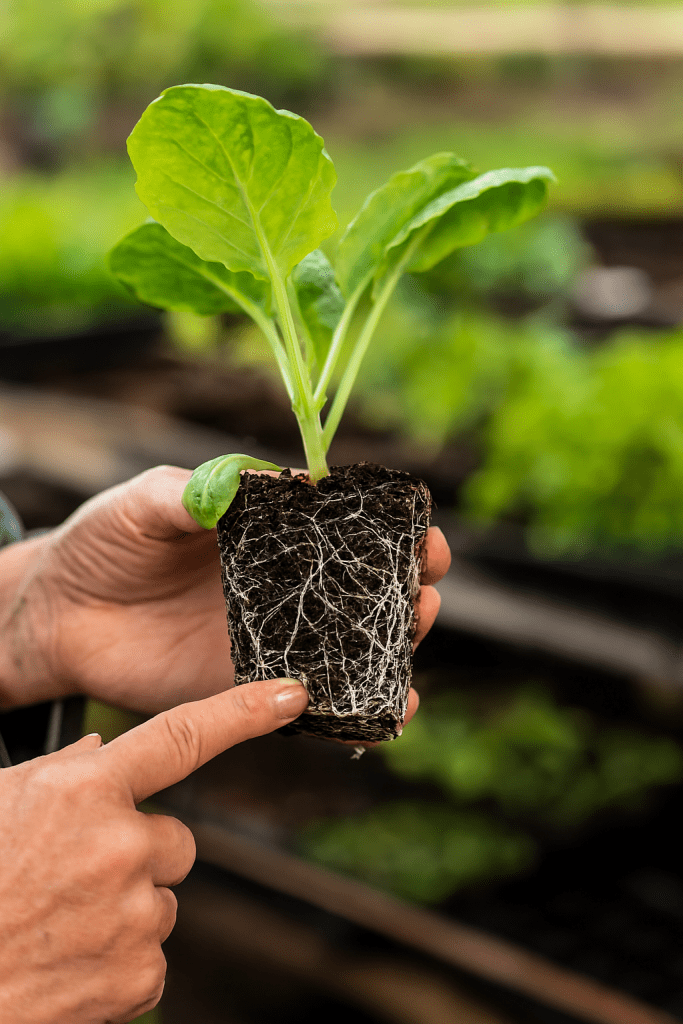
When purchasing vegetable plants from a nursery always examine the plant. The roots should be light tan which indicates that it is alive. Leaves should be lush green and free of bugs.
The Soil
It all takes place in the soil that directly surrounds the plant, an environment where many different elements exist, and what’s in it is absorbed by the plant. The soil that a plant root grows in is the rhyzosphere and must contain substances that the plant needs to survive. Understanding the soil rhyzosphere and its significance is essential for successful vegetable gardening. The rhyzosphere layer is a crucial section of the soil that lies just beneath the surface. It is where the roots, underground stems, and other plant structures interact with the soil. It is important to have a healthy rhyzosphere layer that is rich in organic matter, nutrients, and beneficial microorganisms for a vegetable plant to be healthy.
A vegetable garden should be in an areas that accommodates the types of vegetables that are grown. Most vegetable plant root systems need a depth of 12 inches and about 12 inches in width to create the ideal rhyzosphere for the roots to grow comfortably. When you have selected the area that you want to place the garden you now have the task to set up a rhyzosphere for the plant roots to thrive in.
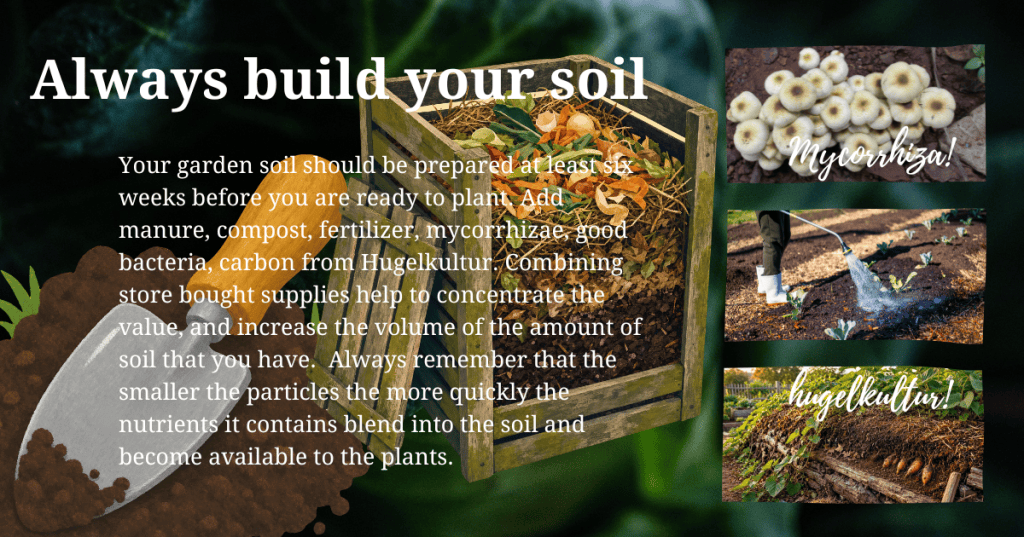
Consider the components in a bag of soil mix. It contains many important stuff that the plants needs; dried wood chips, leaves, worm casting, michorrizal fungi, some organic fertilizer, compost and manure. Plants thrive when you use it because it creates the perfect rhyzosphere around the roots. More significantly, most gardener make the effort to create this special soil environment for their plants. a lot of nutrients comes from the compost pile, you would also need a hugle culture pile of dead wood, and a manure pile. These particles should be aged and finely ground. Add this to your natural soil which is cleared of large particles, and it should help build the perfect rhyzosphere for a vegetable garden.
Since vegetable plants have preferences on where they would like to grow, and they also need a rhizosphere layer creating this environment should not be so complex. For this you would need to select an area where you want to grow vegetables.
Now let’s pull out all of the weed and clear the area to place a vegetable garden. Vegetables require certain depth of soil and space between each plants in order to thrive. Remove old roots, pebbles, sticks, and other debris that may interfere with the plant root system. Examine the soil layer to ensure that it doesn’t present unwanted challenges such as contaminants, chemical spills, and odors which are sure signs that germs are present and there is a likelihood that bad pathogens have been introduced to the rhizosphere. Add organic fertilizers to the soil according to the nutrient recommendations for plants.
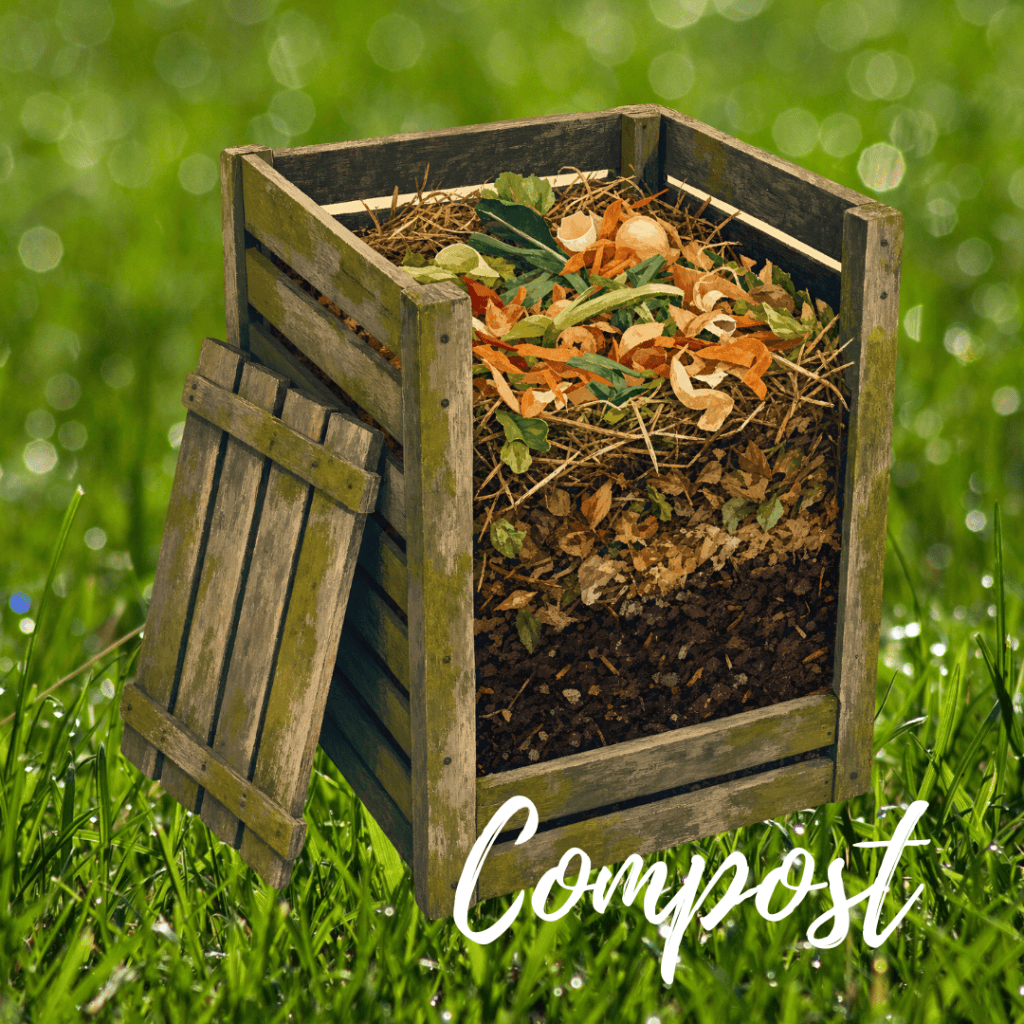
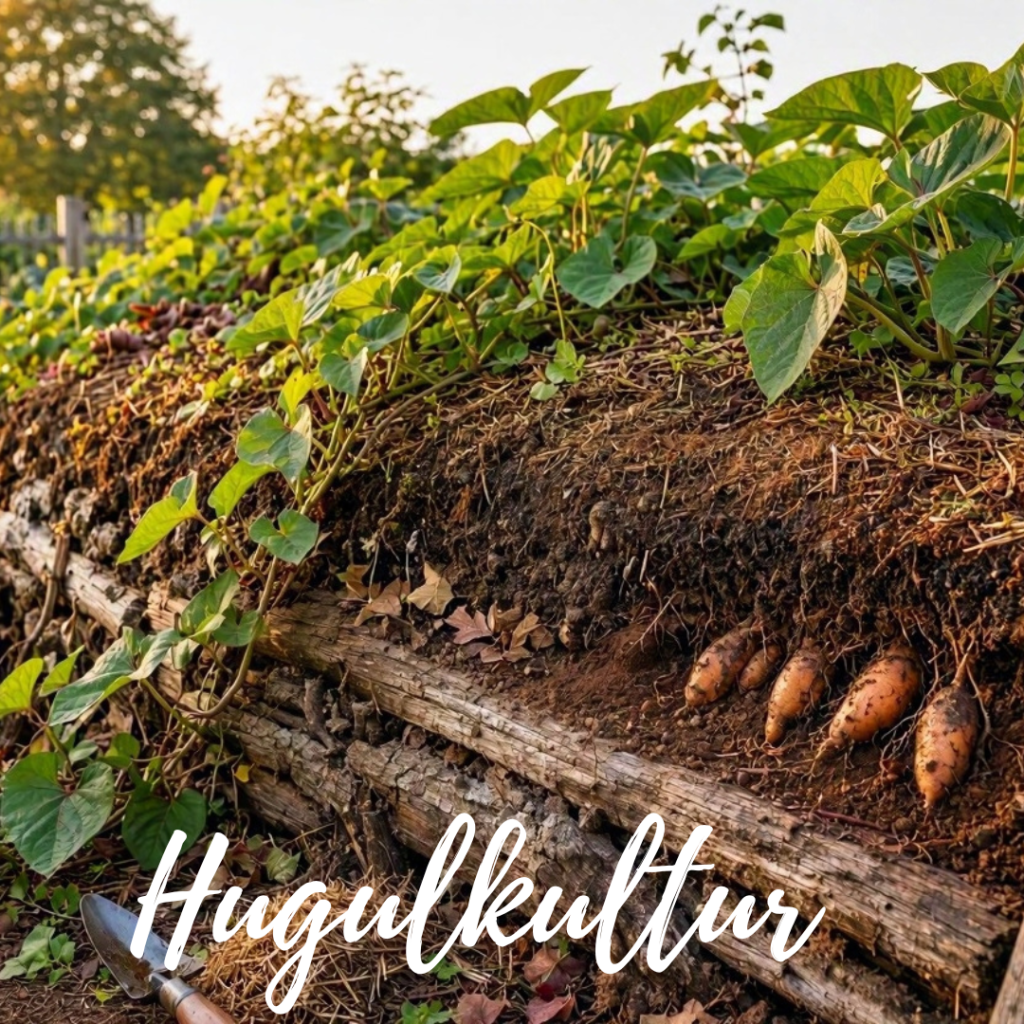
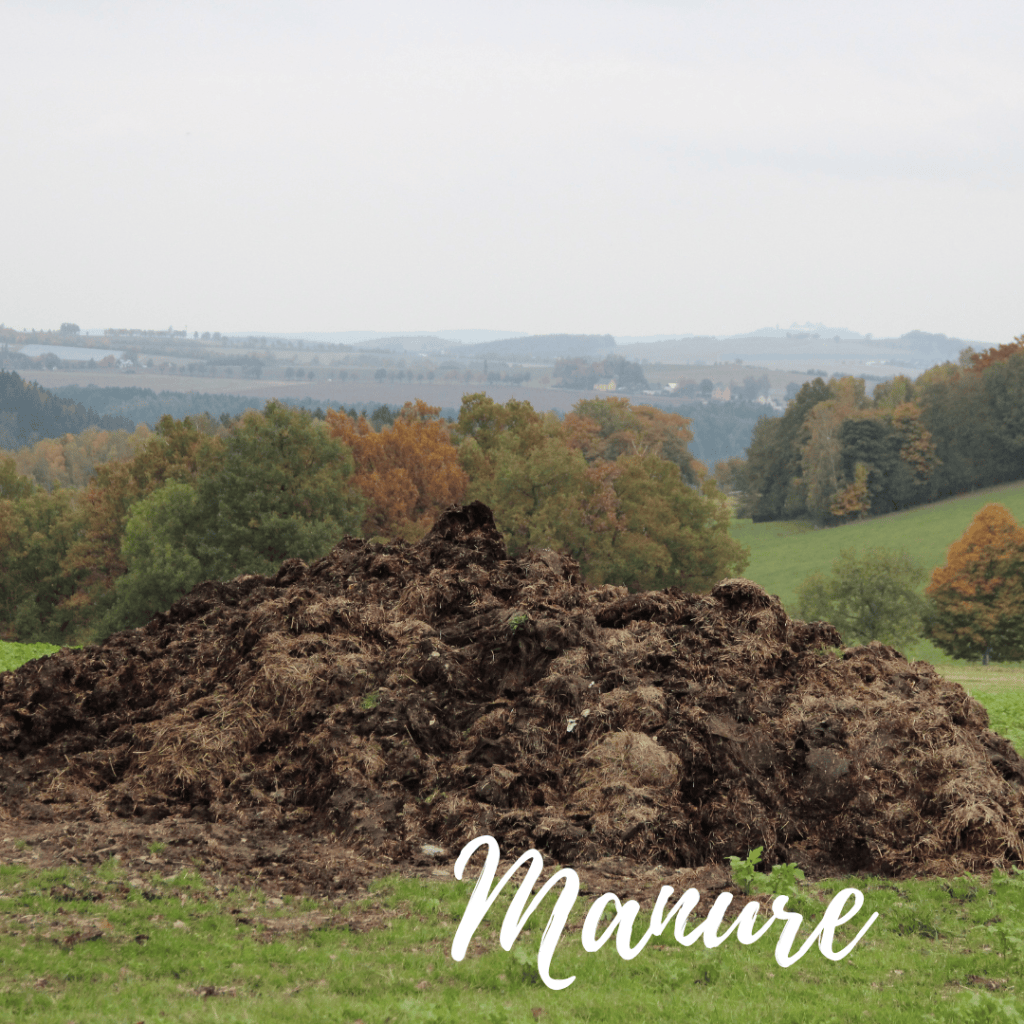
Areas that has been used as a compost site or manure fill are other great areas that vegetable plants grow well because the compost or manure enrich the rhyzosphere with good pathogens and lots of nutrients, but be careful and keep in mind that while most vegetables love compost, some do not care for manure. The Nitrogen, Phosphorous, and Potassium usually comes from the organic general purpose fertilizer and provides the necessary nutrients that the plant needs. .
Vegetables also love to grow in soil that is loosened because this forms a comfortable environment for them. Creating a rhyzosphere helps the plant, but there are also some natural conditions that also work in the plants favor. Plants love a good rainfall which helps to create foliage. Sunlight that is not too bright, or too dim assist with photosynthesis. And, compost is some of the best form of nutrients that plants take up very easily.
A vegetable plant needs good pathogens. There are good and bad pathogens in soil. To correct this, a simple method to clean the soil is to use insecticidal soap. Insecticidal soap can be easily made and works effectively for most garden soil.
Many gardeners also cover this section of soil with plastic. This allows the sun to sterilize the soil while the nutrients and amendments build up the soil content. After several weeks the garden is ready for transplants or seeds to be grown in.
Vegetable plants also grow well in containers that has prepared soil that has been created for your plants.
Another, great area for vegetable plants may be indoors. A well ventilate room with brilliant sunlight the kitchen counter, or a window sill.
Make your garden brilliant filled with variety, color, and flavor. Your goal should not be to be the envy of the community, but be able a care for your plants adequately so that you are able to produce food for you, your family, and friends.
Still a garden is not complete without a fruit tree or two. Many gardeners have a green thumb for caring for a specific type of fruit tree. They discover techniques that help the plant flourish in a special area of the yard where passers by will look and admire its beauty. This special talent is often admired, and it should be adapted into each gardeners yard. I encourage you to find a fruit plant that you love, take an interest in it. Dig a hole and create the perfect rhyzosphere for it. The plant will grow and the earth will thank you for it.
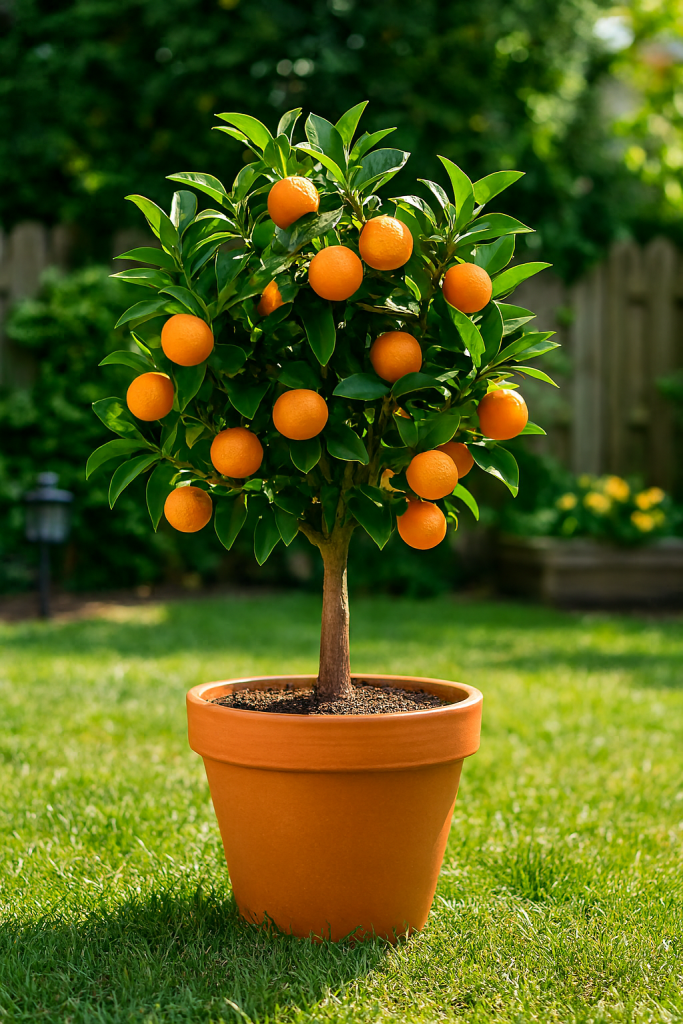
A citrus fruit tree thriving in a decorative pot, nestled in a cozy backyard with lush grass and garden accents. Imagine stepping into your backyard and being greeted by the vibrant sight and sweet scent of a citrus tree bursting with ripe fruit—it’s not just beautiful, it’s deeply rewarding. Growing a citrus tree in a pot is perfect for gardeners of all levels, especially those with limited space.
These trees thrive in containers, making them ideal for patios, balconies, or small gardens, and they offer year-round greenery along with seasonal harvests of oranges, lemons, or limes. Plus, their glossy leaves and fragrant blossoms add a touch of tropical charm to any outdoor space. With just a bit of sunlight, water, and care, you can enjoy fresh citrus straight from your own garden—why not make your backyard a little more delicious?
Reasons to get a mushroom kit
Mushrooms are important to the soil and can easily be obtained from your yard. It is important to know how to raise the mushrooms that grow naturally in your yard because mushrooms are the good fungi that helps you regulate fungal issues in the soil. Learning as much as possible about the care of mushrooms gives you the advantage and helps you control your rhyzosphere. A mushroom starter kit allows you to grow mushrooms that are of food grade quality. I strongly suggest that you consider this as your next project.
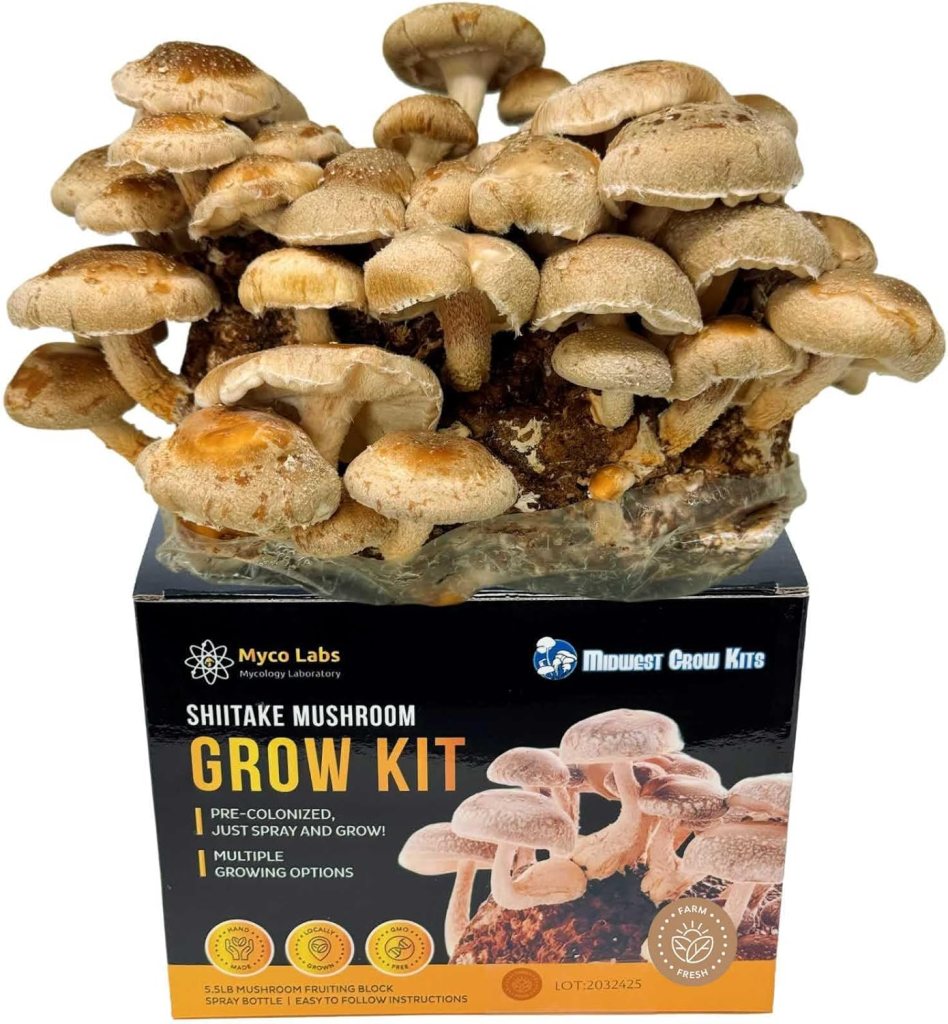
Mushroom Starter Kit
A mushroom starter kit is a convenient and accessible way for gardeners to dive into the fascinating world of fungi cultivation. These kits typically include everything needed to begin growing mushrooms at home. For gardeners, mushrooms offer a unique opportunity to expand their growing repertoire beyond traditional fruits and vegetables.
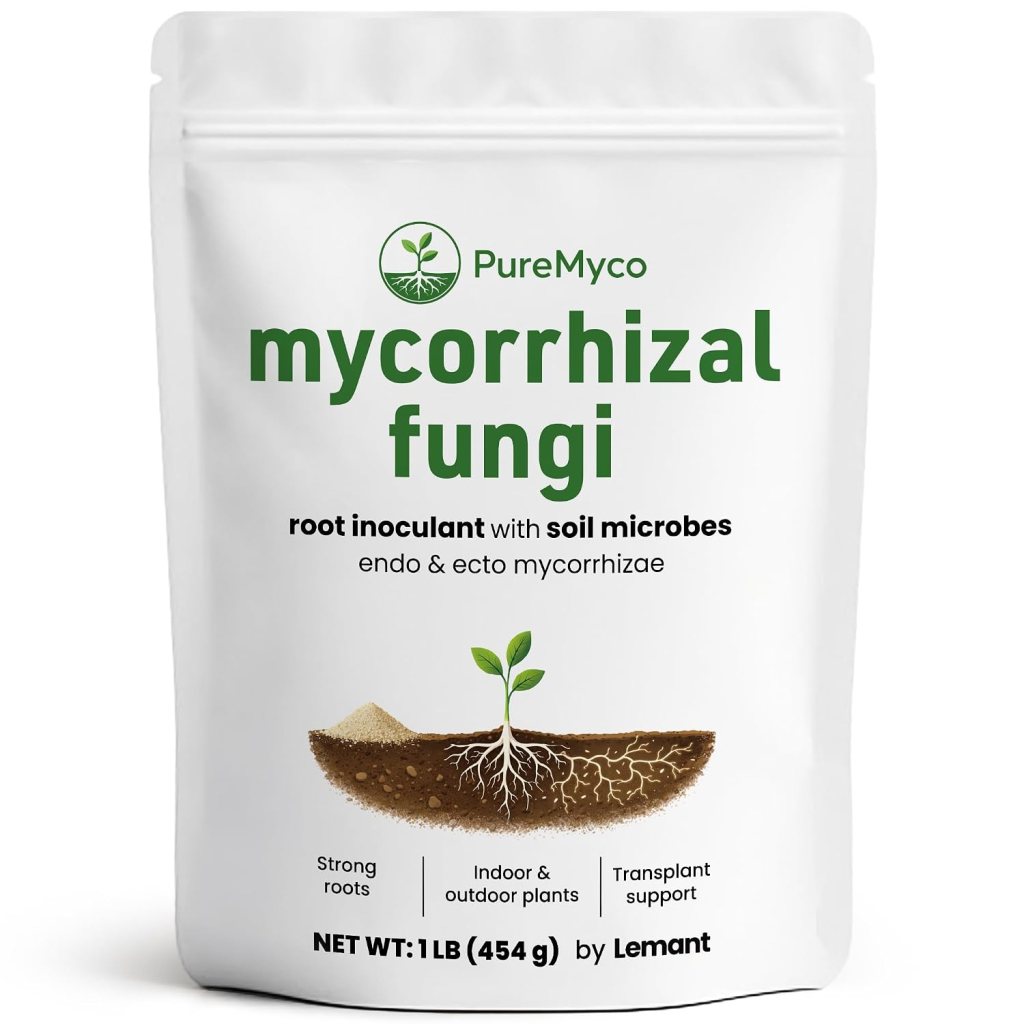
Mycorrhizal Fungi
A soil enhancer, Mycorrhizal fungi are a crucial component of soil ecosystems, forming symbiotic relationships with the roots of most terrestrial plants. These fungi enhance nutrient uptake, particularly phosphorus, by extending their hyphal networks into the soil, effectively increasing the surface area available for absorption. In return, plants provide the fungi with carbohydrates produced through photosynthesis
They require minimal space, thrive in low-light environments, and can be cultivated indoors year-round. Plus, growing mushrooms promotes sustainable gardening practices by recycling organic matter and enriching soil health. With their culinary versatility and nutritional benefits, mushrooms are a rewarding addition to any gardener’s harvest.
What Can Go Wrong?
Actions must be in the best interest of the plant because plant roots are very delicate and can easily be damaged. They should always be handled with care so as not to disturb them. So, when do you pull plant roots out of the soil? Usually, in a desperate attempt to save a plant that you think has a chance of survival. A plant that has been attacked by pests such as aphids. When the soil is compact, diseased with pathogens, nematodes, or the plant is trapped in soil that is depleted of nutrients. When a plant has a chance, every attempt should be made to save it, Take action, thoroughly rinse the roots, remove plant from where it was, remove soil and replace it with new soil. Gently place the plant in it’s new environment. All in an effort to regain normalcy in the plant growth pattern.
Conclusion
Creating a rhizosphere that is compatible with vegetable plants involves managing soil health, microbial diversity, and environmental conditions. You should always strive to create a rhizosphere compatible with vegetable plants and you will have a more comfortable planting season. Soil management elevates the importance of soil health in gardening.


Leave a Reply