

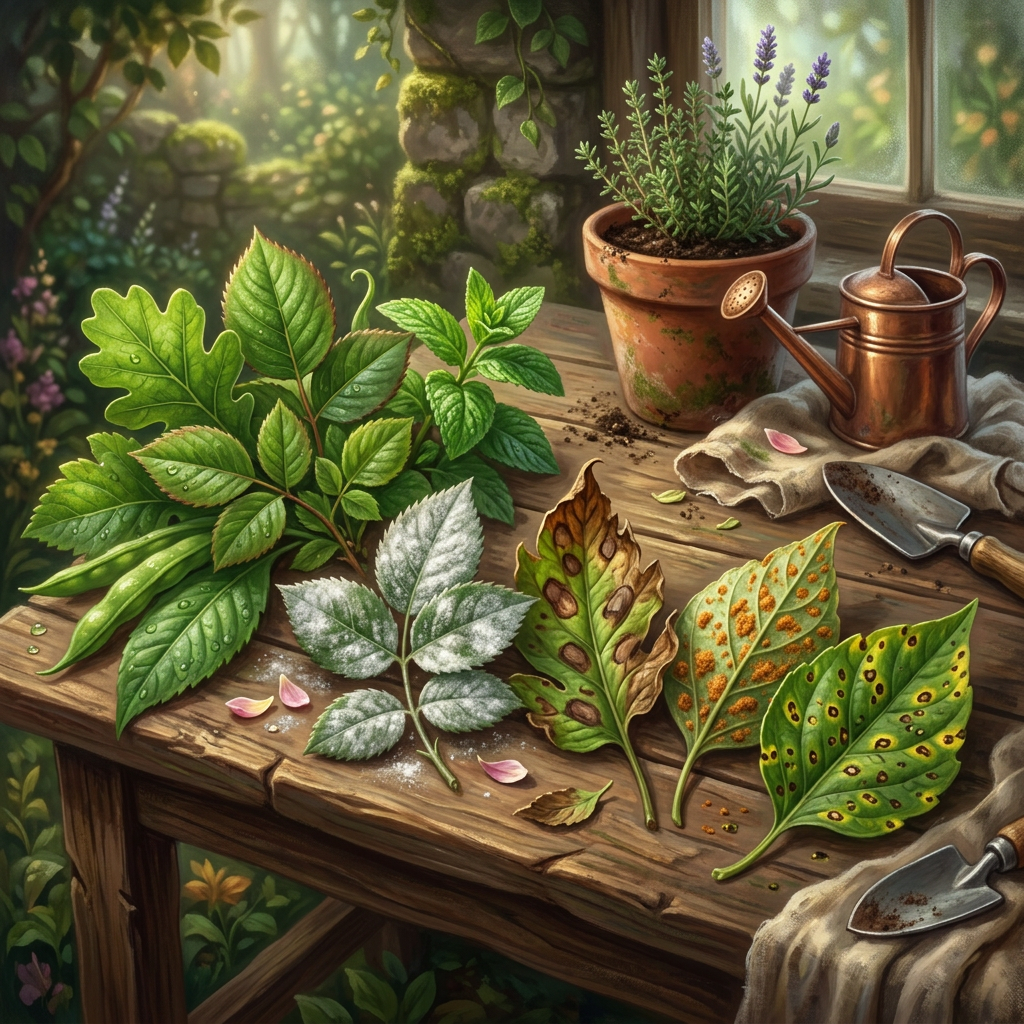
How to keep A Healthy Garden; Unique Ways To Control 6 of The Most Common Disease infestation.
The top six common plant diseases are powdery mildew, early blight, late blight, root rot, rust, and bacterial leaf spot.
Introduction
A healthy garden is a sanctuary of life where every element harmoniously contributes to a vibrant tapestry of nature. A gardener is a person committed to a task which only few can perfect, that is, keeping a lovely garden. As you enter, your eyes are greeted by a riot of colors. Lush green leaves dance in the gentle breeze, the varying shades of other trees, from deep emerald to bright lime, create a soothing backdrop. Flowers on vegetable plants bloom in every hue imaginable. Each blossom opens up like a tiny sun, radiating joy and warmth. The fiery red shine of tomatoes, the soft pastels of salad greens, and the sunny yellows of pumpkin blossoms stand in their designated areas waiting for attention.
Hypothetically, this garden is a canvas painted with the brushstrokes of life. It embodies resilience and beauty, reminding us that growth often comes from nurturing and patience. Just as every plant plays a role in this ecosystem, so do we in the grand tapestry of life. The garden whispers secrets of harmony and balance, urging us as gardeners to find our place within its embrace.
The positive aura of a healthy garden is awesome; you not only see beauty you feel it, smell it, and hear it. It envelops you, rejuvenating your spirit and inspiring a profound appreciation for the wonders of nature. The garden is alive with sound. The gentle rustle of leaves in the wind creates a soothing symphony, while birds chirp cheerfully, their melodies weaving through the air like a sweet serenade. The creatures in the garden make it alive with movements. The chickens that forage, the cat, and small wild animals, circulate carbon dioxide to the plants. Their interaction with plants is questionable because they break the barrier. Do they bring life to the garden or diseases?
This sounds like a garden created by someone who has a green thumb, an experienced farmer who puts in the time and effort to create crops that mature to the right shape, right size, and taste great. A garden that is not filled with harsh chemicals is the best for vegetable crops. But, for the average gardener or small farmer this is not easy to attain. Using harsh chemicals is not only detrimental to persons who consume the crops, but also to growers as well. However, it is possible to cultivate great crop with high yield using natural methods, and many farmers strive to grow crops in a more organic way because they are aware of the positive effects and have distinct knowledge of its importance.
The intentions of most gardeners are to create an area where crops are grown for food. Vegetable gardening is a rewarding endeavor, but it often comes with challenges, particularly in the form of plant diseases. Understanding these diseases and their impact on plant health is crucial for any gardener seeking a flourishing garden.
Plant diseases can stem from various sources, including pathogens like fungi, bacteria, and viruses. It is important to understand plant diseases because such knowledge allows you to better understand what is happening and how to get the situation under control. Recognizing the symptoms of these diseases early is essential for effective management. Strategies such as crop rotation, proper watering techniques, and selecting disease-resistant varieties can help mitigate these issues.
Understanding Plant Diseases
Plant diseases can stem from various sources, including pathogens like fungi, bacteria, and viruses. The top six common plant diseases are powdery mildew, early blight, late blight, root rot, rust, and bacterial leaf spot, each managed with specific organic and synthetic treatments.
Powdery Mildew
A fungal disease that appears as white powder on leaves, often thriving in warm, dry conditions.
Blight
This can affect tomatoes and potatoes, causing dark spots and wilting.
Root Rot
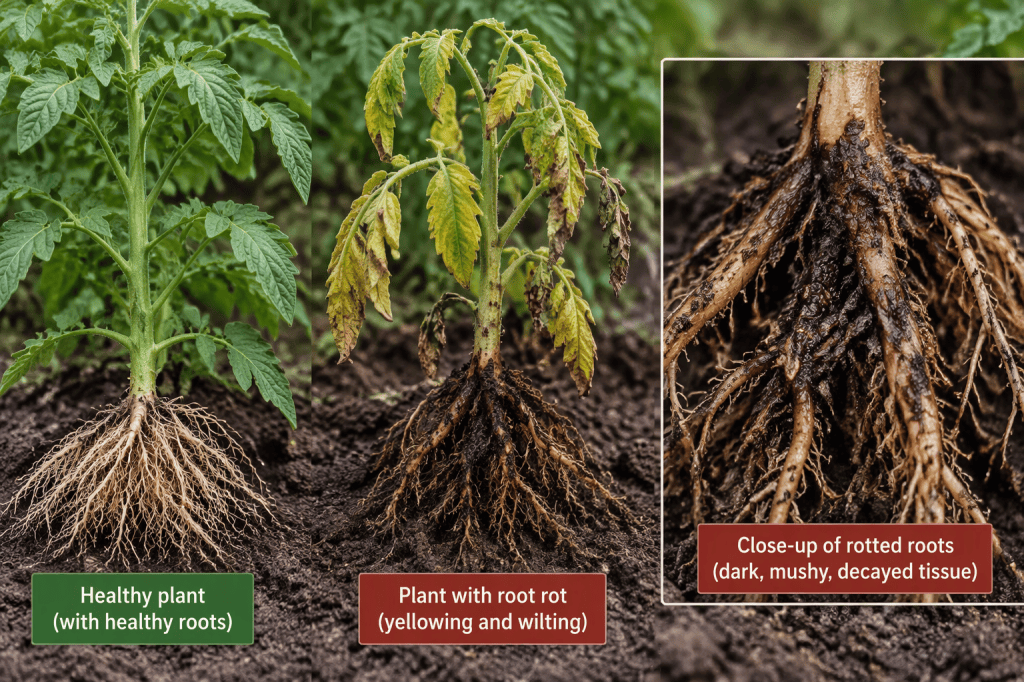
Often caused by overwatering, it leads to the decay of roots, resulting in stunted growth or plant death.
Rust
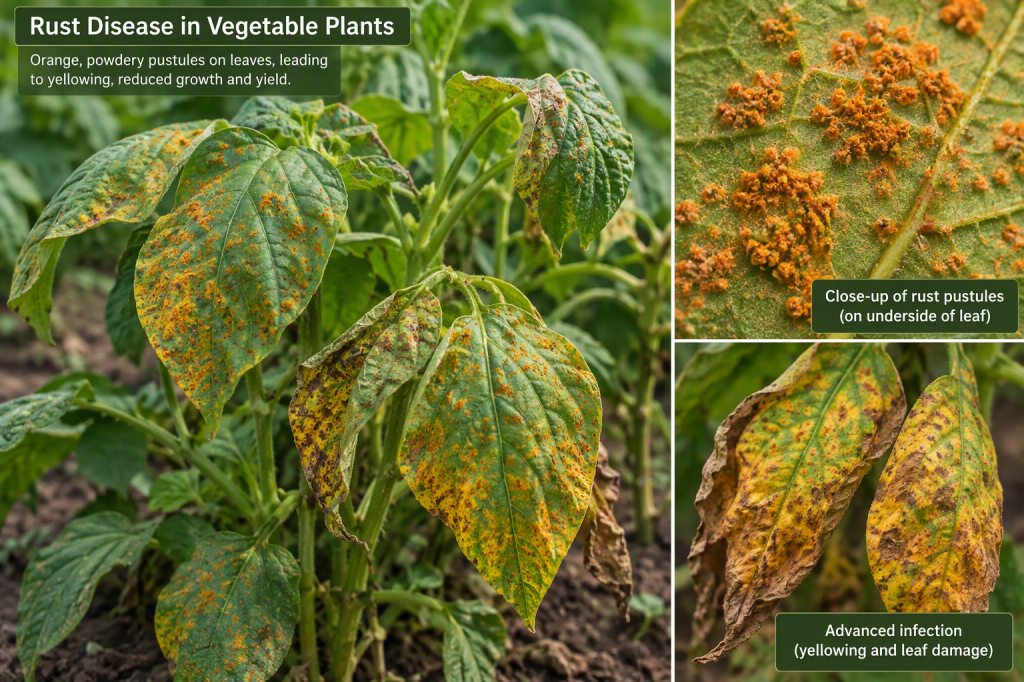
A fungal parasite forming orange, yellow, or reddish pustules on the undersides of leaves.
Bacterial Leaf Spot
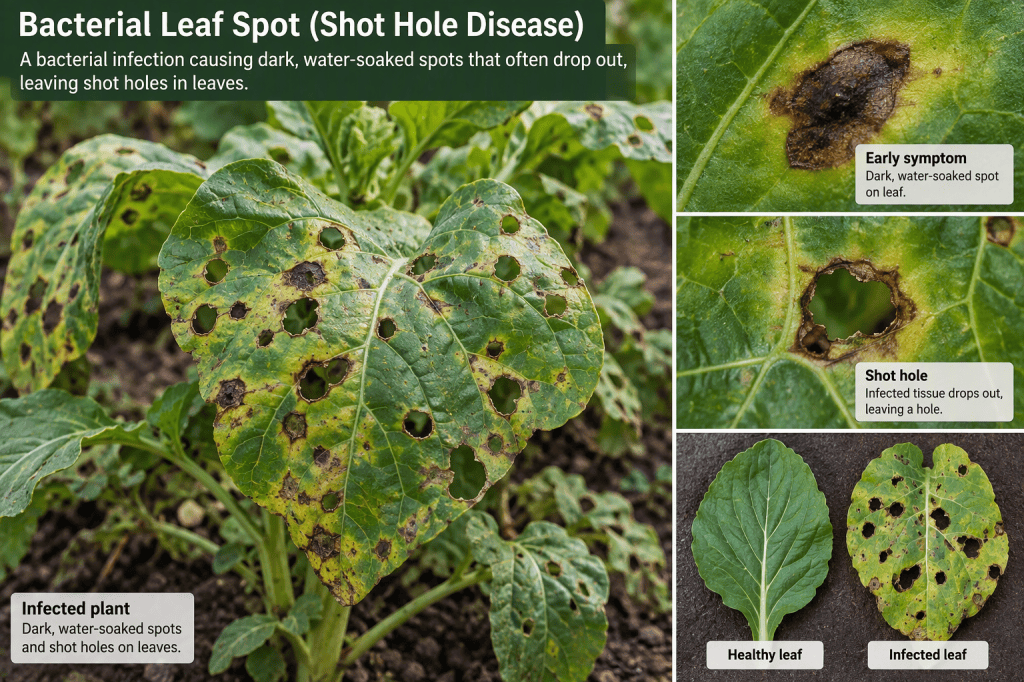
A bacterial infection creating dark, water-soaked spots that often drop out, leaving shot holes in leaves.
Intervention
Once an outbreak hits a vegetable garden, managing multiple diseases requires a dual strategy: immediate containment to stop the spread and targeted recovery to salvage the plants.
When a plant becomes ill from a disease or infestation, it undergoes distinct visual changes that often start subtly before progressing to severe damage.
Here is a description of what a diseased plant looks like, grouped by the most common visual signs.
Foliage Discoloration and Spots
Chlorosis (Yellowing): Leaves lose their vibrant green color and turn pale yellow, either entirely or in localized patches. This often indicates a lack of chlorophyll caused by root rot, viral infections, or nutrient blocking.
Leaf Spots: Defined circular or irregular spots appear on the leaves. These spots can be black, brown, tan, or red, and they often feature a yellow halo or a target-like pattern of concentric rings (common in fungal infections like early blight).
Mottling and Mosaic Patterns: Leaves display a patchy, marbled, or streaked mix of normal green, light green, and yellow. This is a classic signature of viral infections (like the mosaic virus).
Structural Distortion and Texture Changes
Wilting and Drooping: Even when the soil is damp, the plant appears limp, deflated, and unable to support its own weight. This happens when systemic diseases or root rot plug the plant’s water-transporting vessels.
Curling and Crinkling: Leaf edges may cup upward, roll downward, or wrinkle abnormally. This distortion is frequently caused by sap-sucking pests (like aphids) or viral pathogens disrupting cell growth.
Stunting: The overall growth of the plant is severely slowed. Leaves, stems, flowers, and fruit remain abnormally small and underdeveloped.
Abnormal Growths and Coatings
Powdery or Downy Mildew: A white, ash-gray, or dusty coating spreads across the surface of the leaves, looking as though flour has been dusted over the plant.
Cankers and Oozing: Stems, branches, or trunks develop sunken, oval-shaped dead areas or open sores. These cankers sometimes ooze a sticky, foul-smelling bacterial slime or amber-colored resin.
Galls and Knots: Swellings, tumors, or irregular woody bumps develop on the stems, twigs, or roots as a reaction to bacterial or fungal irritation
.
Tissue Death (Necrosis)
Browning and Scorching: The margins (edges) or tips of the leaves turn dry, crisp, and dark brown, appearing as if they have been burned.
Rotting: Plant tissue becomes soft, mushy, water-soaked, and dark. This can affect the fruit, flowers, stems, or the base of the plant at the soil line, often accompanied by a sour or earthy decay odor.
While you cannot physically “reverse” dead, necrotic tissue, you can stimulate new, healthy growth and save the remaining crop.
Creating a Garden Full of Life
Each plant is a part of the garden. Blending into a beautiful rhythm, and uniformity. It is a rare anomaly to see a plant ruined by disease, that would have otherwise been healthy enough to bear fruit. Plant diseases can go unnoticed until the exact moment when wilting begins and the condition may be at an advanced stage plunging the farmer into uncharted territory.
To create a garden full of life you would have to nurture the soil. Healthy soil is the foundation of a thriving garden. Use organic compost and natural fertilizers to enrich it. When preparing the soil for planting you must consider the probability of plant diseases occurring during the growing season, taking preventative measures can help reduce the extent of damages that can occur. Consider, adding sulfur, and copper to help build the soil strength to be able to fight a fungal infection. Create a batch of insecticidal soap to keep the area tidy.
Encourage Biodiversity by planting a variety of species to attract beneficial insects and pollinators. To encourage beneficial insects that generally thrive in the area to return, try adding plants that you know they like.
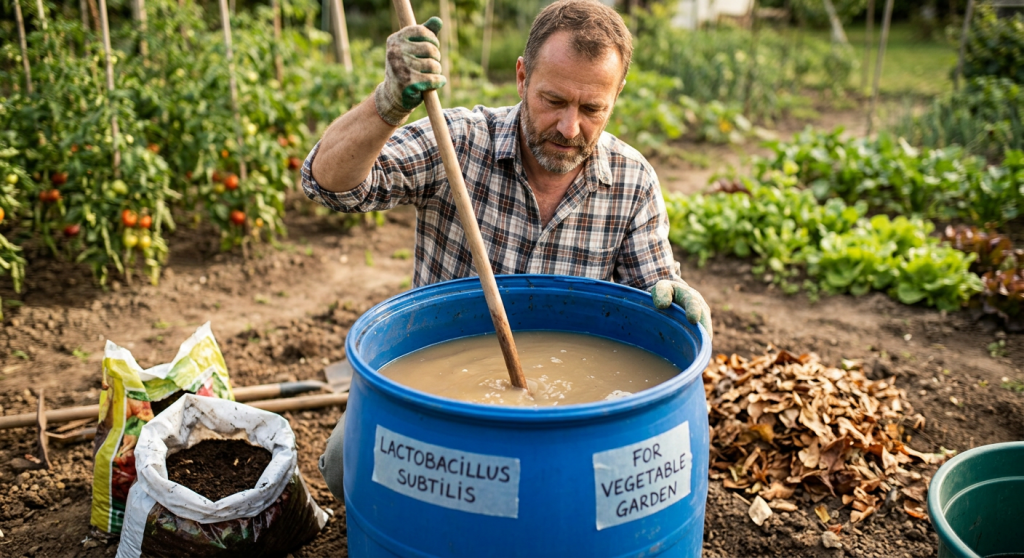
Establish a Routine: Regular care, such as watering and pruning, fosters a rhythm that plants thrive on. Create a batch of bacillus Subtilis ahead of the growing season. Set Up an area for compost tea because when sick plants get nutrient blocks you can still provide them with nutrients from the compost tea that will help them remain alive until they can absorb nutrients from fertilizers.
It is a known fact that not everyone has a ‘green thumb’. In fact many farmers, especially beginning farmers can be sore losers. Some key qualities green thumb growers have are:
- Patience: Understanding that gardening is a process that requires time and care.
- Observation: Being attentive to plant needs and environmental changes.
- Adaptability: Learning from failures and adjusting methods accordingly.
The Green Thumb
The green thumb is a metaphor used to describe a great gardener, someone who has perfected the art of planting, can grow specific plants, reaps in abundance, or can teach others to grow. They are the rare gems used to feed our communities. But, if we’re going to feed a growing population we need more great growers. Many are fine tuning their skills because we have to learn to feed ourselves. Hopefully, there will be more gardeners with green thumbs because of this endeavor.
Many gardeners love using spirituality which can indeed enhance one’s gardening skills. By fostering a connection with plants, gardeners may find themselves more attuned to their needs. Techniques such as:
Visualization: Imagine your garden flourishing, and can help manifest positive outcomes.
Creating a Sacred Space: Designate an area in your garden for reflection and connection with nature, to enhance your overall gardening experience.
Plant Green Liver Detox
Plants cannot urinate or defecate, their version of “flushing” the system is actually a process of permanent isolation called compartmentalization. Unlike animals, plants do not have a dedicated excretory system to physically “flush” waste out of their bodies. Instead, they rely on an internal, three-phase chemical defense mechanism often called the “green liver” model to isolate and neutralize toxins (xenobiotics) like pesticides, heavy metals, and pollutants. The primary natural chemicals that plants use internally to flush their systems, work by binding to foreign toxins, to safely neutralize them and then they pass out of the plants. The primary chemicals that plants use to internally flush their systems are:
- Glutathione
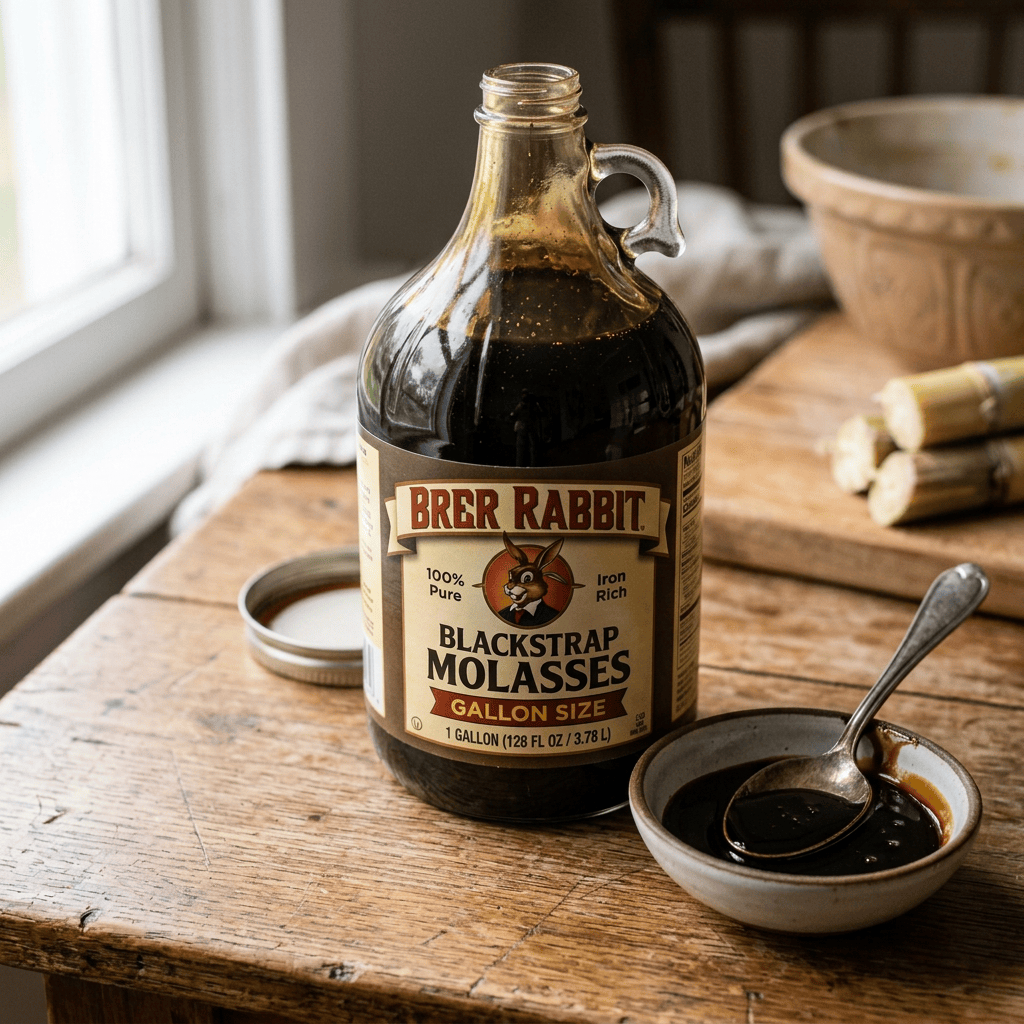
- Glucose such as molasses, and
- Amino acids like alanine
This is the main reason why it matters what type of chemicals that plants take in, and proves clearly that natural products are safer for plants, and that harsh chemicals may take some time for the plant to excrete posing a threat to both the plant and the community.
Carbon Dioxide For Plants
Plants breathe in carbon dioxide and excrete oxygen. The carbon dioxide assist with respiration. Several ways to ensure that plants have adequate amount of Carbon Dioxide is to add the supplements through irrigation. Cardboard mulch, or straw mulch provide added carbon dioxide.
Ways to Control Plant Diseases
Healthy plants start with smart prevention. In this section, you’ll learn practical ways to control plant diseases, from choosing resistant varieties and improving soil health to using good watering, spacing, and sanitation practices that keep problems from spreading.
Several Methods that are used and have been proven to be effective are. Stem Cell Technology, Natural Treatment, Synthetic Treatment, and Plant Communication.
Stem Cell Transplant
The ability to fight diseases in plants is different from that of humans. This mechanism is inferior, and somewhat compromised. The plants natural ability to fight diseases oftentimes needs intervention so that they mature and produce the food we need to survive.
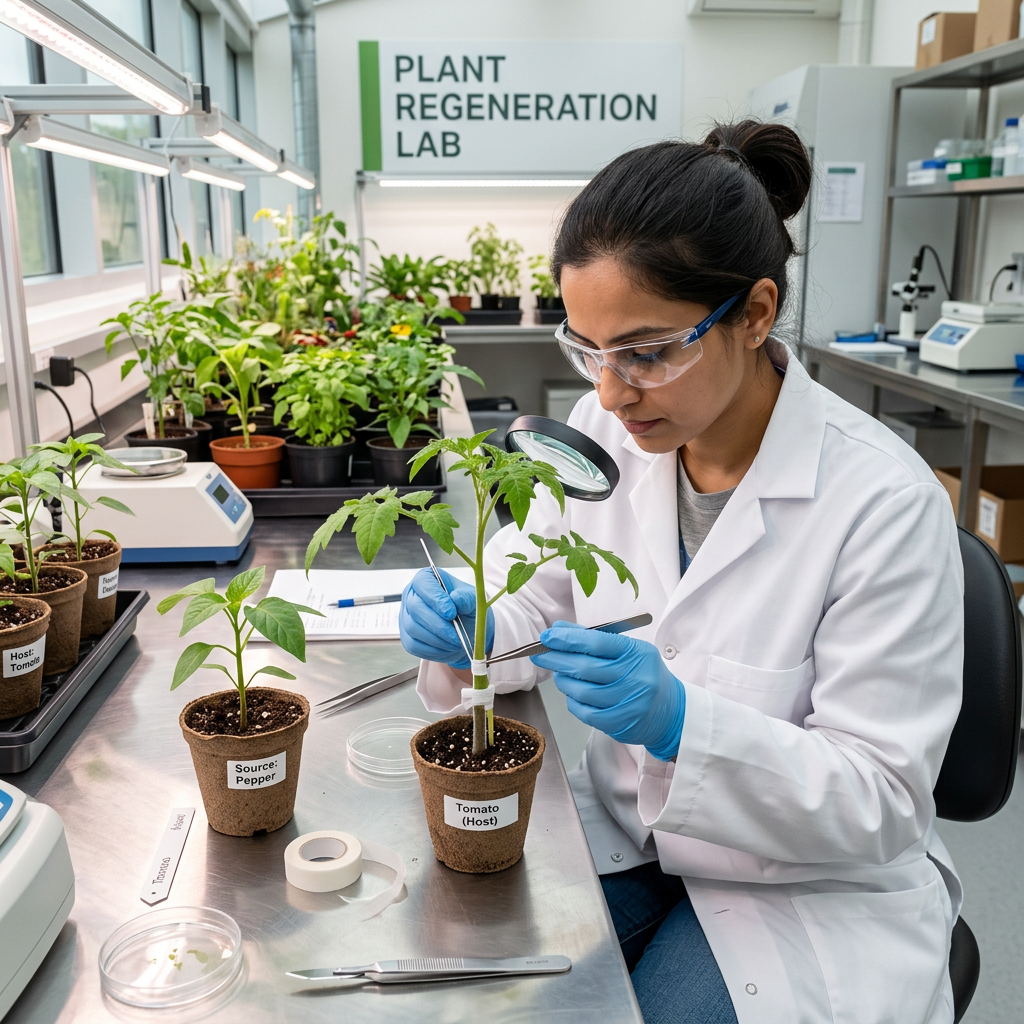
Stem Cell Technology is an approach to plant propagation trying to grow disease resistant plants. This method uses cutting edge plant technology and pure science tactics to solve the problem of diseases in plants grown for food. It suggests planting only disease resistant cuttings from healthy plants after they have been sterilized. It demonstrates how it should be done so that you obtain perfect results every time. When planting vegetables gardeners should use healthy seed, disease resistant plant varieties that are hardy. But, stem cell technology goes on to suggest that when you obtain healthy plants you should take cuttings from them and grow more plants. This plant cloning ensure that surrounding plants are also resistant to diseases.
Have you ever tried growing new plants from cuttings? Every gardener should know how to grow plants from cuttings. It is a great way to grow new plants which grow faster than if you have planted them from seeds. It is a game changer in vegetable gardening, when done correctly it is a great way to propagate. But, be mindful that things can sometimes go wrong when used in other situations.
Spiritual Plant Communication
Do Plants Respond to Spiritual Communication? What is the spiritual connection between plant health and reality? Plants possess an aura that reflects their health and temperament. This aura can create an ambiance that makes plants feel safe and willing to grow. Many gardeners believe that plants can respond to spiritual communication, which may enhance their growth and resilience against diseases. This belief is rooted in the idea that a gardener’s intentions, emotions, and energy can influence plant health. Practices such as Meditation, and Positive Affirmations are known to be linked to creating an atmosphere that is nurturing, and calming, one that promotes well-being and helps to enhance their growth.
Understanding plant diseases is vital for maintaining a healthy vegetable garden. However, the integration of spiritual practices can elevate the gardening experience, fostering a deeper connection between the gardener and their plants. By nurturing both the physical and spiritual aspects of gardening, one can create a lush, thriving garden that reflects the beauty and vitality of life itself. Embrace the rhythm and rhyme of nature, and watch your garden flourish.
There is no scientific evidence that plants respond to spiritual communication, intentions, or prayers to overcome illness or enhance their physical beauty. However, science does show that plants are dynamic, communicative organisms that respond to physical stimuli, and the act of “communicating” with them often leads to better care from humans.
This phenomenon can be looked at through two distinct lenses: the scientific reality and the spiritual tradition.
The Scientific Perspective: Vibrations and Carbon Dioxide
While plants lack a nervous system, a brain, or spiritual consciousness, they do actively respond to their environments:
Sound and Vibrations: Studies show that plants have mechanoreceptors that detect physical vibrations, including sound waves. Gentle acoustic frequencies (like speaking or playing music) can stimulate plant cells, slightly accelerating photosynthesis and nutrient uptake. This can improve a plant’s overall vigor and capacity to ward off infections.
Carbon Dioxide: When you speak closely to a plant, you exhale carbon dioxide. While the amount is minor, it is a key ingredient plants use to produce energy.
The “Caregiver” Effect: The biggest scientific reason “spoken-to” plants look more beautiful is the behavior of the human. People who talk to, pray over, or meditate near their plants pay closer attention to them. They are far more likely to notice early signs of pests, wilting, or fungal infections, resulting in faster and more accurate care (watering, pruning, adjusting light).
Spirituality and the Green Thumb
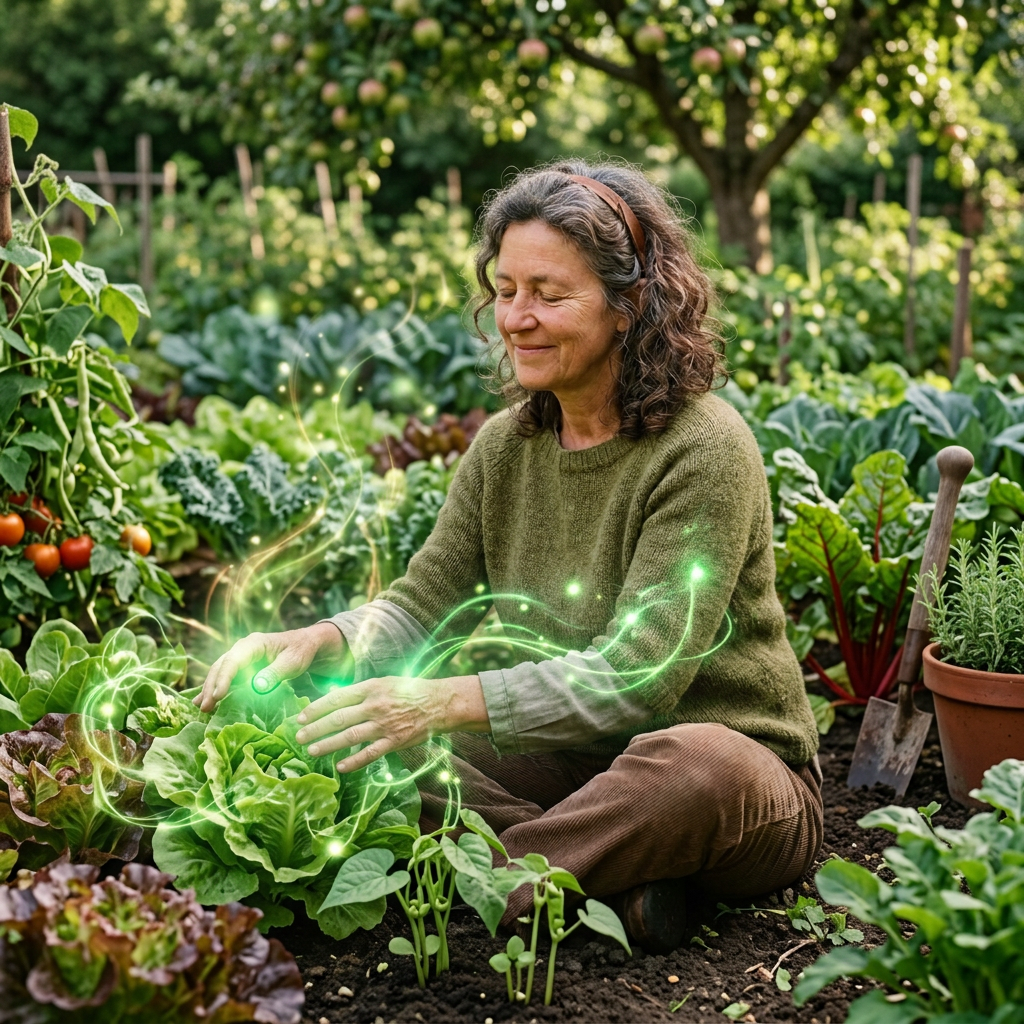
Using spirituality can indeed enhance one’s gardening skills. By fostering a connection with plants, gardeners may find themselves more attuned to their needs. Techniques such as:
Visualization where one imagines the garden flourishing, can help manifest positive outcomes. Also, the art of “Creating a Sacred Space” designate an area in your garden for reflection and connection with nature, enhancing your overall gardening experience.
The picturequs garden is a special place filled with positive garden vibes. In the center, a winding path made of smooth stones invites you to explore further, bordered by neatly trimmed hedges and cascading vines that seem to embrace the space. Butterflies flit gracefully from flower to flower, their delicate wings shimmering in the sunlight, while bees hum busily, adding a sense of purpose to the air.
There’s a strong sensory experience as you walk deeper into the garden, the air is filled with the sweet, intoxicating scent of blooming flowers mixed with the earthy aroma of freshly turned soil. It’s a fragrance that speaks of life, growth, and renewal, wrapping around you like a comforting blanket. The fragrance of herbs—basil, rosemary, and mint—intermingles, creating a culinary bouquet that tantalizes your senses and evokes memories of home-cooked meals.
Many believe that there is a spiritual realm in the plant kingdom, and that plants possess an aura that reflects their health and temperament. This aura can create an ambiance that makes plants feel safe and willing to grow. By cultivating a nurturing environment, gardeners can positively influence this spiritual realm, leading to healthier, more vibrant plants.
The Spiritual and Indigenous Perspective
Culturally and historically, many traditions view plant communication quite differently. Two concepts can be used to help us relate to this trend of thought.
Animism and Plant Spirits: Indigenous cultures and shamanic practices globally operate on the belief that all living things—including plants—possess a spirit or consciousness. In these traditions, rituals and energetic communication are used to build relationships with the “spirit” of the plant, often seeking the plant’s help to heal human ailments rather than the other way around.
Reciprocity: Many practitioners of “plant spirit communication” emphasize mindfulness and mutual respect, noting that spending time with plants lowers human stress and creates a grounded sense of well-being.
From a data and statistical standpoint, spiritual communication (such as prayer, intention, or energy healing) has a 0% directly measurable success rate in healing diseased plants.
On the other hand, No peer-reviewed, double-blind scientific studies show that spiritual energy can physically eliminate a plant pathogen (like a fungus, bacteria, or virus).
When researchers measure the physical components of what humans do during “spiritual communication”—specifically generating sound wave frequencies, carbon dioxide, and human psychological care—the data shows significant statistical impacts on plant immunity and growth.
There is adequate amount of data that breaks down the hard numbers from scientific studies exploring the physical aspects of plant communication, sound, and disease resistance. For example, Data & Statistics on “Plant Communication” Elements Stimulus / Study are prevalent and present very convincing concept that you have to consider especially if you want to perfect your green thumb. These results may be the secret formula used to correct flaws in your gardening techniques and help your green thumb.
Plant Acoustic Frequency Technology (PAFT) studies showed that Acoustic Frequency 0.1-1kHz increased crop yield in peppers and cucumbers by 30%
Dr. T.C. Singh (Annamalai University) noted that Traditional Indian Raga Music caused a 72% increase in plant biomass; accelerated development.
Studies done by NASA / Smithsonian joint observations showed that Low-Level Vibrations (115–250 Hz) | Triggers upregulation of stress-induced genes; improves the physical ability to fight infection.
Chinese Academy of Agricultural Sciences. Targeted 5 kHz Sound Stimulus Promotes leaf area growth, stomata opening, and increases disease resistance.
Human Psychological Benefit | 62% of people report talking to plants significantly improves their own mental health. | Trees.com National Survey.
Why It “Works” Indirectly; Analyzing the Statistic
While the spiritual energy itself cannot be measured under a microscope, the physical actions tied to it change the environment in three quantifiable ways:
Cellular “Defense” Activation via Vibrations. Plants have mechanoreceptors in their cell walls. When you speak, chant, or pray, you create acoustic pressure waves. Data from PubMed studies shows that gentle, rhythmic vibrations at specific frequencies (ideal ranges are 100 Hz to 1000 Hz) trigger plant plasma-membrane activity. This increases cell-wall fluidity and activates protective enzymes. This cell-level “workout” strengthens the plant’s immune system, making it more resilient against a disease, though it cannot cure an active infection on its own.
The Bi-Directional Stress Reduction Loop
The Care Impact: When a human is calm, mindful, and spiritually focused on a plant, their observational care spikes. A surveyor noted that 60% of people who regularly interact with their plants reported seeing a noticeable difference in vigor. This is likely because the caretaker notices early signs of disease—like powdery mildew or spider mites—and physically intervenes faster.
Carbon Dioxide (CO2) Exhaling directly onto a plant while speaking or praying nearby increases the localized concentration of CO2. While the statistical impact of a few spoken sentences is minor, consistent, close-up interaction provides raw material for photosynthesis, fueling the plant’s energy recovery.
However, I must concur, if your plant is battling a severe disease (like root rot or a heavy blight), spiritual communication alone has no statistical power to save it. It must be combined with physical remedies like removing damaged tissue, repotting, or using organic fungicides.
Natural and Synthetic Treatment for Plant Diseases
The top six common plant diseases are powdery mildew, early blight, late blight, root rot, rust, and bacterial leaf spot, each managed with specific organic and synthetic treatments. Once there is evidence of disease affecting the garden a few quick steps may help to save the plants.
How to Put an Immediate Stop to the Spread
When multiple diseases hit at once, you must act fast to break the infection cycle:
Prune and Destroy Infected Tissue: Immediately cut off spotted, yellowing, or molding leaves. Never compost diseased plant parts, as the pathogens can survive the winter; instead, bag them and put them in the trash.
Sanitize Tools Frequently: Dip your pruners in a solution of 70% isopropyl alcohol or a 10% bleach solution between every single cut. If you don’t, your pruners will act like a dirty needle, spreading diseases from plant to plant.
Halt Overhead Watering: Stop using sprinklers or watering from above. Wet leaves are a breeding ground for fungal and bacterial spores. Switch strictly to drip irrigation or a soaker hose to keep the foliage completely dry.
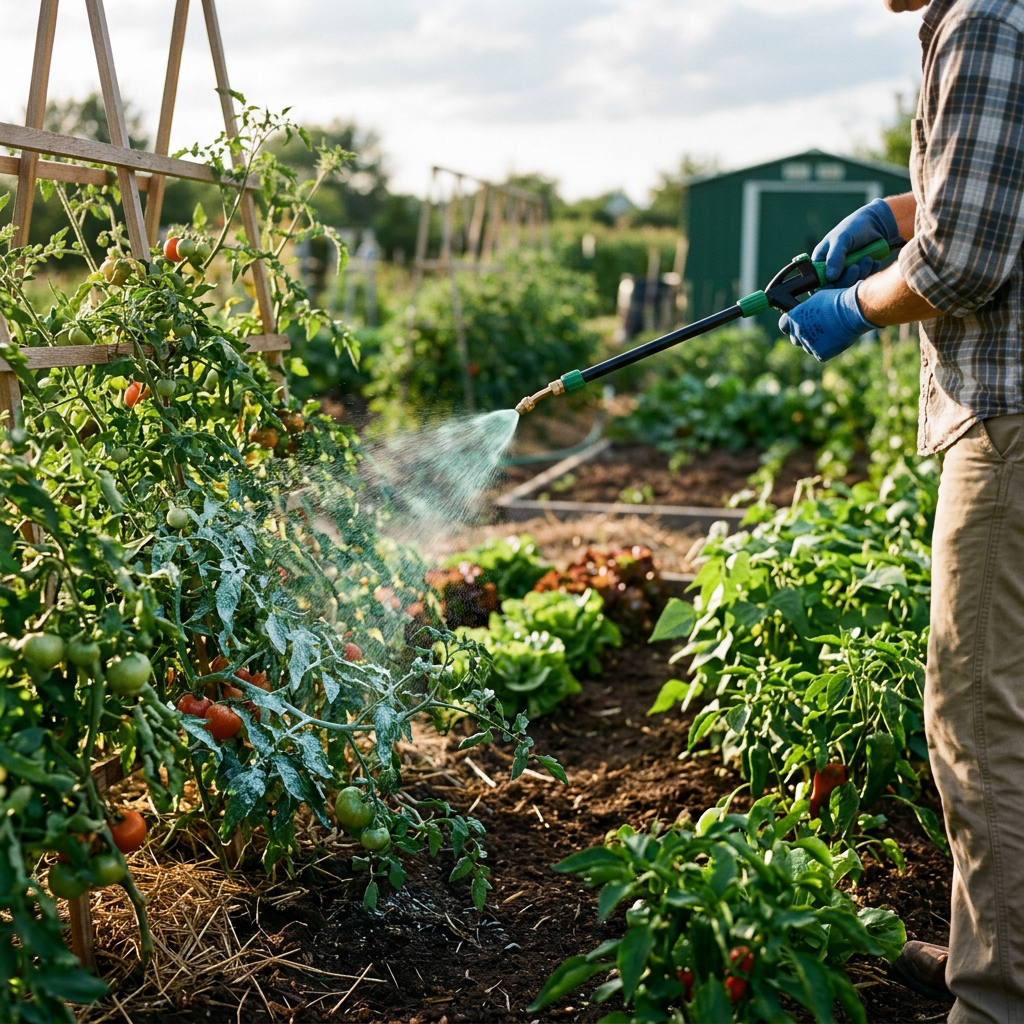
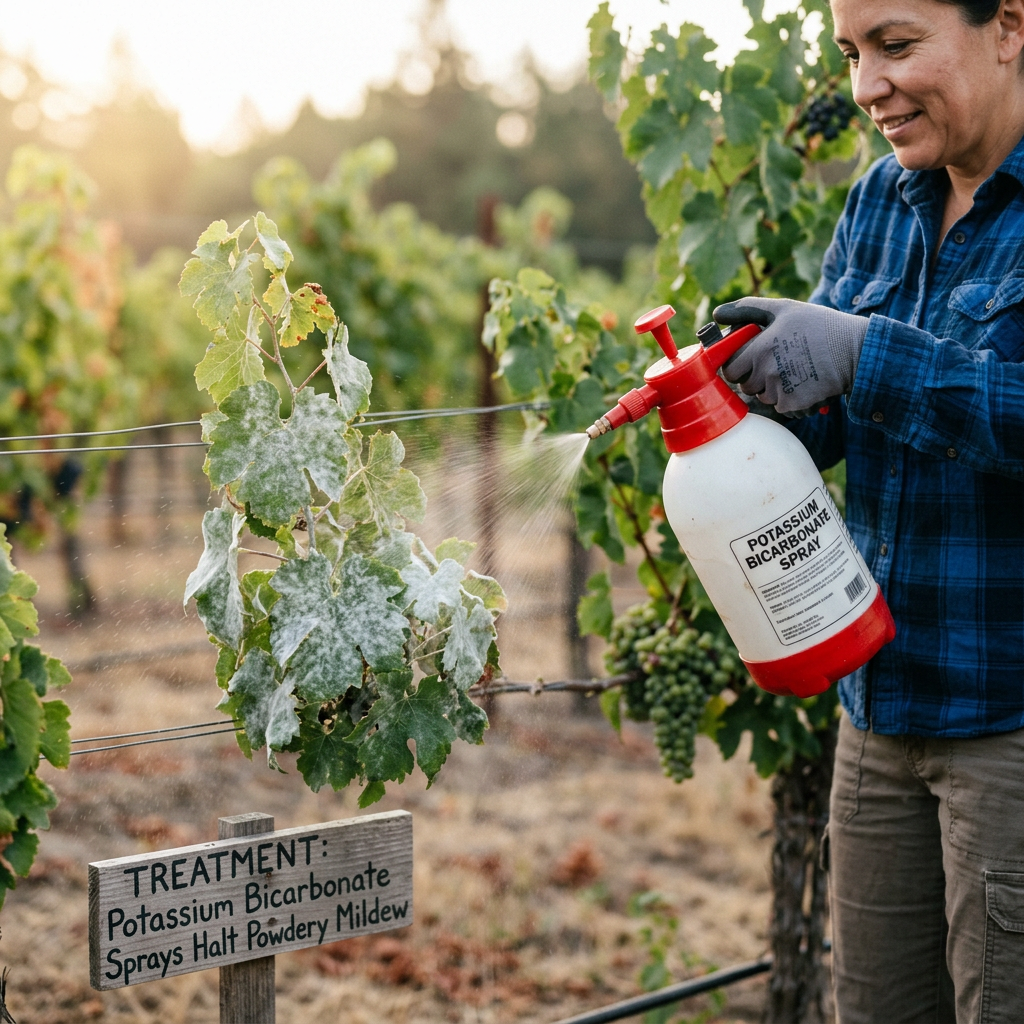
Apply an Organic, Broad-Spectrum Shield: To protect uninfected leaves from the cocktail of diseases, apply a broad-spectrum organic spray. Copper fungicides work well against both fungi and bacteria, while Neem oil or Potassium Bicarbonate sprays can halt active powdery mildew and suppress fungal spores. Apply these early in the morning or late evening to prevent leaf burn.
More established diseases required indepth treatment. Below you will find a comprehensive list of both Natural and Synthetic Treatment for plant diseases.
- Powdery Mildew
A fungal disease creating a white, flour-like dusting on leaves and stems. Natural Cure: Spray with a mixture of 1 tablespoon of baking soda per gallon of water, or apply organic [Neem oil]. Synthetic Cure: Apply commercial synthetic fungicides containing active ingredients like myclobutanil or azoxystrobin. - EARLY BLIGHT
A fungal infection causing dark brown spots with concentric rings on lower leaves, common in tomatoes and potatoes. Natural Cure: Prune infected leaves and spray with organic copper-based fungicides. Synthetic Cure: Apply synthetic broad-spectrum foliar like chlorothalonil - Late Blight
A destructive water mold (Phytophthora infestans) causing rapid blackening and rotting of leaves and stems. Natural Cure: Remove and destroy infected plants immediately; use biofungicides containing Bacillus subtilis preventatively. Synthetic Cure: Apply professional fungicides containing mandipropamid or chlorothalonil at first sign of weather risks. - Root Rot
A fungal decay of root systems caused by overwatering and compacted soil. Natural Cure: Repot the plant into fresh, well-draining soil after trimming away dark, mushy roots. Synthetic Cure: Drench soil with synthetic thiophanate-methyl or mefenoxam-based root fungicides for severe commercial crops.
4.Rust
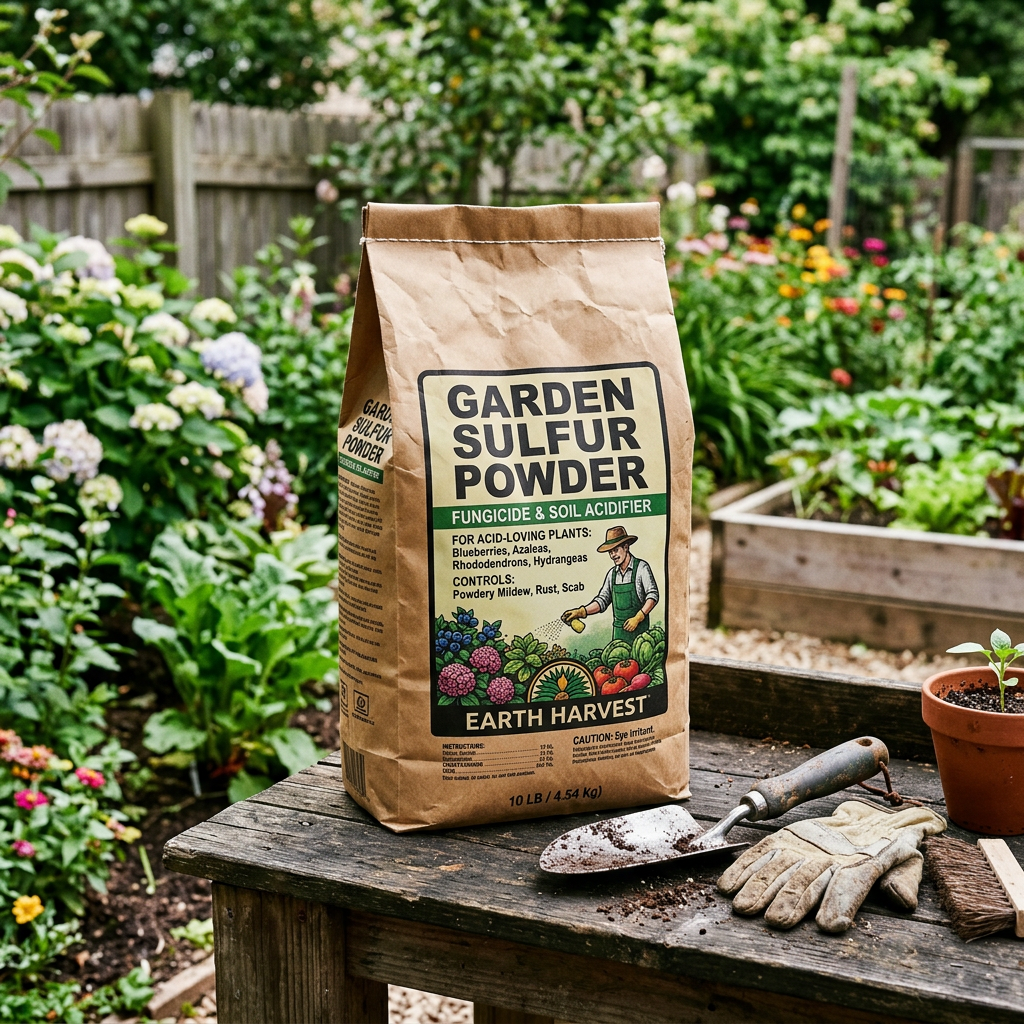
A fungal parasite forming orange, yellow, or reddish pustules on the undersides of leaves. Natural Cure: Remove heavily affected foliage and dust plants with organic sulfur powder. Synthetic Cure: Spray with synthetic systemic fungicides like triadimefon or propiconazole. - Bacterial Leaf Spot
A bacterial infection creating dark, water-soaked spots that often drop out, leaving shot holes in leaves. Natural Cure: Prune infected parts and improve air circulation; apply liquid copper sprays to slow bacterial spread. Synthetic Cure: Use specialized bactericides containing copper hydroxide mixed with mancozeb.

To successfully transition treatments from a small garden patch to a larger field layout, focus on Integrated Pest and Disease Management (IPDM) foundations
Crop Rotation: Never plant crops from the same family (e.g., tomatoes and peppers) in the exact same field section two seasons in a row, as this breaks the lifecycle of soil pathogens.
Sanitation: Instantly remove and destroy heavily infected field debris. Never leave blighted or rotted plant material on the ground, and do not compost highly diseased plants unless you are maintaining a certified hot compost pile that reaches temperatures high enough to kill spores.
Nutrient Support: Ensure your soil has proper mineral balances; for instance, applying targeted nutrients like calcium nitrate strengthens cell walls, making plants structurally more resistant to fungal or bacterial penetration.
For managing plant diseases in an outdoor garden or small field, your strategy should focus heavily on environmental control, soil health, and wider-area crop protection.
Outdoor conditions introduce open-air variables like wind, rain-splash, and soil-borne pathogens that don’t exist indoors. To effectively apply remedies in an open plot, use the following outdoor-specific approaches: Broad-Scale Management Tactics
For Soil-Borne Pathogens (like Root Rot): Natural: Individual repotting isn’t an option in a field. Instead, implement drip irrigation to keep water at the root base without waterlogging the entire field. Focus on increasing soil biodiversity by adding mycorrhizal fungi and utilizing beneficial organic microbial services to build disease-resistant soil networks. Synthetic: For severe field outbreaks, use soil drench fungicides (like mefenoxam) applied via your irrigation line or targeted field sprayers.
Climate change and global warming has certainly taken a toll on the garden. We all make every effort to sanitize in order to prevent diseases entering the garden. Rain-Driven Leaf Diseases (Early Blight, Black Spot, Rust): Natural: Space your crops intentionally to allow wind to naturally dry out the canopy. Always prune the lower leaves of vulnerable plants to prevent soil-bound fungal spores from splashing up during heavy rains. For organic field-scale protection, apply broad-range copper-based sprays or liquid sulfur uniformly across the plot before heavy rain cycles begin. Synthetic: Apply protective, weather-resistant synthetic barrier treatments (like chlorothalonil) early in the growing season. Ensure proper calibration of a backpack or field sprayer to completely coat both the tops and bottoms of the leaves.
In this healthy garden, you not only see beauty; you feel it, smell it, and hear it. It envelops you in a positive aura, rejuvenating your spirit and inspiring a profound appreciation for the wonders of nature.
Mentioned in this article

Atticus Gravex 20EW Fungicide (16oz) – Myclobutanil ConcentrateSystemic Control of Over 30 Fungal Diseases in Residential Fruit Trees, Turfgrass, and Ornamentals. https://link.amazon/B0dpVhTz6
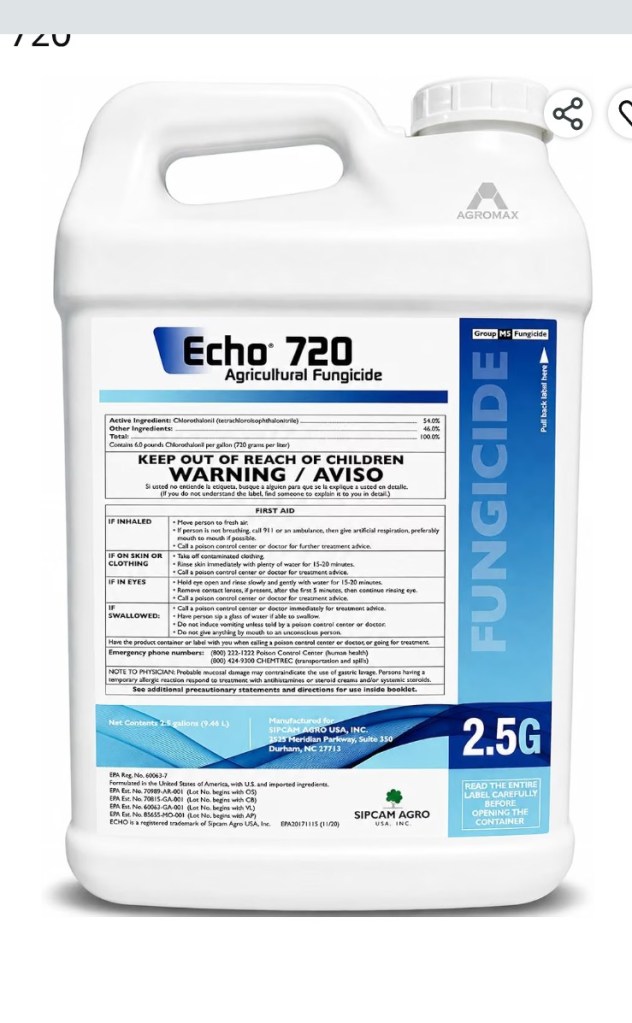
Chlorothalonil Fungicide (2.5 Gallon) Agrictural Fungicide- Compare to Bravo Chlorothalonil Daconil 720

Atticus Gunner 14.3 MEC Propiconazole Fungicide (1Gal) – Protect Your Lawn
Plant and Lawn Fungus Control, Brown Patch, Dollar Spot, Blights, Powdery Mildew, Anthracnose, Botrytis, Rust, Patch and More
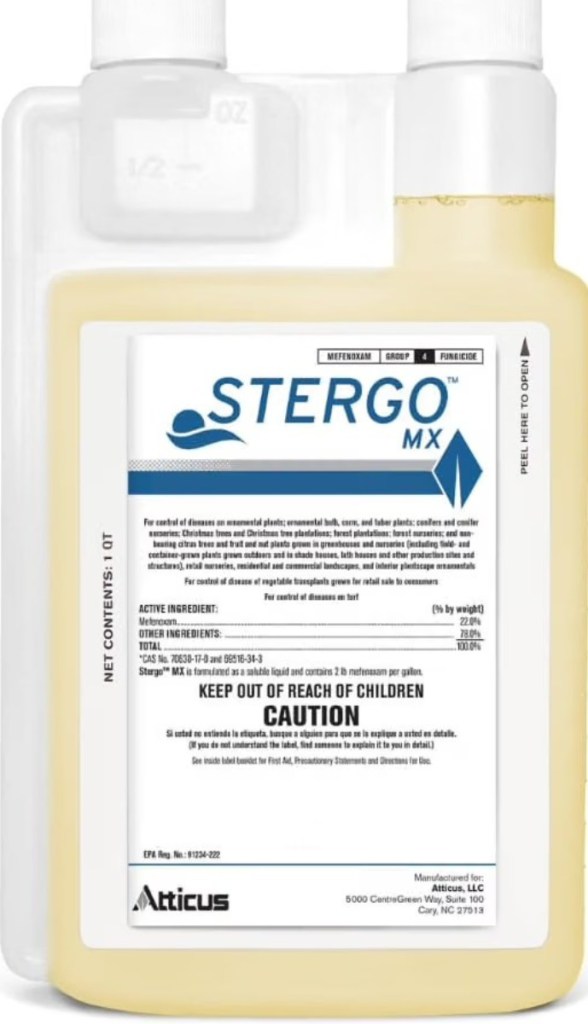
Atticus Stergo MX Mefenoxam Fungicide for Lawn and Landscape (32oz)
Broad Spectrum Systemic Control of Pythium and Phytophthora Diseases, Minimizes Development of Resistant Fungi Strain
How to “Reverse” the Damage and Trigger Recovery
A dead leaf cannot become green again but,you can coax the plant into outgrowing the damage by doing the following:
Apply a Gentle Root Booster: Do not heavy-feed a heavily stressed plant with harsh synthetic nitrogen, which creates weak foliage that pests and diseases love. Instead, apply liquid seaweed or kelp meal. This delivers trace minerals that relieve plant stress and stimulate new root growth.
Prune for Airflow: Strip away the lower 6 to 12 inches of leaves from the base of mature plants (like tomatoes and peppers). This stops soil-dwelling pathogens from splashing up onto the leaves during rain and improves airflow to dry the canopy quickly.
Mulch the Soil: Lay down a clean 2-inch layer of straw, shredded leaves, or wood chips over the soil. This creates a physical barrier that traps fungal spores in the ground and prevents them from splashing onto your recovering plants.
Thin the Crop: If your vegetables are crowded, make the difficult decision to pull out the most heavily damaged or weakest plants entirely. This sacrifices a few plants to save the rest by dramatically increasing sunlight and air circulation.
Conclusion
The integration of spiritual practices can elevate the gardening experience, fostering a deeper connection between the gardener and their plants. By nurturing both the physical and spiritual aspects of gardening, one can create a lush, thriving garden that reflects the beauty and vitality of life itself. Also, starting your garden the right way with disease resistant plant can help lower the chances of outbreak of disease, and your garden will increase from the stem cell cuttings, flourish, and you green thumb will thank you for it.
References
[1]https://www.sciencedirect.com
[2]https://www.theguardian.com
[3]https://www.facebook.com
[4] https://pubmed.ncbi.nlm.nih.gov
[5]https://ui.adsabs.harvard.edu
[6]https://www.researchgate.net
[7] https://www.fox5dc.com
[8]https://www.facebook.com
[9]PubMed studies
[10]NASA / Smithsonian joint observations
[11][Plant Cell Technology]https://plantcelltechnology.com/blogs/blog/common-plant-diseases
Latest from the Blog

How to Use Gift Card as Incentives for Special Interest Groups: A Comprehensive Guide
Using GiftCards.com as a tool for incentives can significantly enhance motivation and engagement within small groups. By choosing the right cards, establishing a clear reward system, and ensuring easy distribution, you can create a positive atmosphere that encourages participation and fosters a sense of belonging. Embrace the power of incentives and watch your group thrive!
Secure Shipping in the Age of Online Shopping Choice, Technology, and Customer Voice
AliExpress is a popular online retail platform offering affordable products with free shipping, allowing shoppers to bypass traditional bulk purchase requirements. It features AliExpress Standard Shipping, which combines cost-effectiveness and tracking capabilities for global delivery. The company also focuses on sustainability initiatives and values customer feedback to enhance logistics and shipping reliability.


