

This page may contain products from our partners that we promote if you click on a product and make a purchase wr will receive a commission. please see affiliate disclaimer
In a small town nestled between rolling hills and vibrant fields, the annual Agricultural Innovation Fair was about to begin. Farmers, gardeners, and sustainability advocates from all over the region gathered to share their knowledge and celebrate their passions. Among them was Sarah, a dedicated farmer who had spent years perfecting her organic methods. She looked forward to this event not only for the learning opportunities but also for the chance to connect with like-minded individuals.
As the fair commenced, the local extension team announced a special incentive program designed to reward participation and engagement. They introduced a unique concept: gift cards tailored to the interests of the attendees. This idea resonated deeply with Sarah and her fellow participants, who represented a variety of special interest groups often overlooked in mainstream incentive programs.
Sarah remembered her first encounter with gift cards at a previous training session. It was a simple gesture, yet it had made a significant impact. The gift card allowed her to choose tools that would enhance her farming practices, making her work more efficient and enjoyable. This time, the extension team aimed to expand that idea, offering a selection of brands that would cater to the diverse interests of the attendees. As the crowd buzzed with excitement, the extension team unveiled a list of special interest groups that would benefit from this incentive program:
- Organic Farmers: These individuals, like Sarah, were passionate about sustainable practices and often sought out resources that aligned with their values.
- Urban Gardeners: A growing community, urban gardeners transformed small spaces into lush green havens, seeking tools and supplies to support their initiatives.
- Beekeepers: Dedicated to pollinator health, beekeepers needed equipment and educational materials to enhance their craft.
- Herbalists: Those interested in natural remedies often sought books or supplies to cultivate their own herbs and medicines.
- Aquaponics Enthusiasts: This innovative group merged fish farming with plant cultivation, requiring specialized tools and resources to thrive.
- Community Supported Agriculture (CSA) Members: Participants in CSAs were eager to learn and share knowledge about local produce, often needing materials to promote their initiatives.
- Permaculture Practitioners: Focused on sustainable land use, these individuals sought educational resources and tools that aligned with their ecological principles.
- Rural Artisans: Crafting handmade goods from local materials, artisans needed supplies and platforms to showcase their work.
As Sarah listened to the options, she felt a sense of belonging. The gift cards offered not just a reward but also a way to support her passion and the passions of those around her. The extension team emphasized that these gift cards could be used at various retailers, allowing each participant to choose what resonated most with their interests.For Sarah, the idea of selecting a gift card for Amazon meant she could purchase new gardening tools or books on sustainable farming practices. Meanwhile, her friend Tom, an urban gardener, envisioned using his gift card at a local nursery to expand his collection of plants. The possibilities were endless, and the excitement in the air was palpable.
As the fair continued, Sarah reflected on how meaningful incentives could foster community and encourage participation among special interest groups. The gift card program was not just about rewards; it was about recognizing the unique contributions of individuals who often went unnoticed in mainstream discussions. By offering incentives that resonated with their interests, the extension team had created an environment where everyone felt valued and appreciated. Sarah left the fair inspired, knowing that the gift of choice was not merely a transaction but a celebration of passion, creativity, and community.In the end, it was clear: when incentives are tailored to the unique interests of special groups, they resonate deeply, fostering connections and encouraging growth. Just like the vibrant crops in Sarah’s fields, these incentives would help cultivate a flourishing community of dedicated individuals, each contributing their unique talents to the world.
In today’s diverse marketplace, finding the right incentives for small groups can be challenging, especially when targeting special interest groups such as farmers, entrepreneurs or professionals in niche industries. Gift cards have emerged as a popular and effective solution, offering recipients the flexibility to choose what they truly want or need. Gift cards are digital, prepaid, repaid payment cards loaded with a specific amount of money that can be used to buy goods or services. This article explores how to use GiftCards.com to provide meaningful incentives tailored to small groups of about 20 participants.
Giftcards.com is an onliine platform were you load digital cards. A trusted website serving the needs of online shoppers looking to effortlessly purchase and send gift cards for any celebration. It takes the guess work out of having to select the perfect gift for your guests. Giftcards.com has a main website and giftcards.com business that offers a digital rewards service (like Tango Card or Giftbit) to automate bulk cards for lots of guests. But, for these of us who only several persons to offer gift cards to the giftcards.com main platform can be used to manually sends the digital cards.

The Value of Gift Cards
It’s a common trend for members in society to seek support for their economic and social development. Virtual workshops and online training programs offered by non-governmental organizations (NGOs) and economic development groups help persons such as entrepreneurs, and small business owners build practical management, financial, marketing, and other skills. However, there are so many similar support groups that attract simple folks who are eager to improve their skills. Many support groups offer gift cards as a way of rewarding participants in short programs.
Receiving a gift card can foster feelings of appreciation and recognition. Several key statistics highlight the relationship between gift card giving, engagement, and the feelings associated with not receiving one. A summary of findings related to the how gift cards can enhance participation in programs and activities revealed very interesting findings. One research show that when participants receive gift cards as incentives, their engagement levels tend to rise significantly. About 70% of employees feel more motivated when they receive rewards, including gift cards. For instance, a survey found that 85% of participants are more likely to engage in an event or program if there’s a reward involved.
Gift cards are versatile and appreciated by recipients across various demographics. They allow individuals to select items that resonate with their personal tastes and needs, making them a preferred choice for incentives. For groups like farmers attending training sessions or workshops, selecting the right brands can enhance the value of these rewards, ensuring that they are both practical and enjoyable. On the other hand, lack of incentives can lead to lower participation rates in programs or events. Research shows that when participants perceive a lack of rewards, their likelihood of engaging in future activities diminishes.
From Idea to Reality: Crafting a Program that Delivers Value
Crafting a gift card incentive program requires thoughtful planning and execution. By defining clear goals, selecting the right card types, and personalizing the experience, you can create a program that not only engages your audience but also delivers real value. Whether you’re rewarding customers or employees, the right incentives can drive desired actions and foster loyalty, ultimately contributing to your business’s success.In today’s competitive landscape, businesses are continually seeking innovative ways to engage customers and incentivize desired behaviors. One effective strategy is to implement a gift card incentive program. This article outlines the essential steps to craft a program that not only captivates your audience but also delivers tangible value.
Define the Goal -The first step in creating a successful gift card program is to define clear objectives. Tie the reward to specific actions you want your recipients to take, such as:
- Completing a survey
- Booking a sales demo
- Hitting a quarterly milestone
By aligning the incentive with a clear goal, you can motivate your audience to participate actively.
Choose the Card Type – Next, consider the type of gift card that best suits your program. You have two primary options:
- Open-loop cards: These include Visa Prepaid Cards, which allow for universal spending across various retailers.
- Multi-brand choice platforms: These enable recipients to select from a range of brands, providing them with the freedom to choose what they truly want.
Selecting the right card type can significantly enhance the appeal of your program.
Select a Delivery Platform – To streamline the distribution of your gift cards, utilize a digital rewards service. Platforms like Tango Card or Giftbit automate the process of sending rewards in bulk or via API, making it easier to manage your program efficiently.
Match Value to Effort – When setting the incentive amounts, ensure that they correspond to the effort required for the action. For example:
Major goals (such as achieving sales targets) can justify higher rewards.
This approach not only motivates participation but also shows appreciation for the effort involved. a Delivery Platform – To streamline the distribution of your gift cards, utilize a digital rewards service. Platforms like Tango Card or Giftbit automate the process of sending rewards in bulk or via API, making it easier to manage your program efficiently.
Match Value to Effort – When setting the incentive amounts, ensure that they correspond to the effort required for the action. For example:
Small actions (like completing a short survey) should be rewarded with smaller amounts ($5–$10).
Major goals (such as achieving sales targets) can justify higher rewards.
This approach not only motivates participation but also shows appreciation for the effort involved.
Add a Personal Touch – Personalization can greatly enhance the impact of your incentives. Consider including:
- Custom email templates
- Company branding
- Direct thank-you messages
These touches create a more meaningful connection and show recipients that their contributions are valued.
Sending Small-Batch Incentives
For programs targeting fewer than 20 recipients, complexity can be avoided. Use Giftcards.com as a simple self-service tool to buy and dispatch your incentives. Here’s a quick guide on how to send small-batch incentives:
- Choose your card format: Visit the Giftcards.com homepage and select either digital e-gift cards from popular retail/restaurant brands or Visa/Mastercard Virtual Accounts that work online or via phone.
- Set the individual amounts: Choose face values ranging from $10 to $250 per digital card to match your incentive level.
- Add personal details manually: Enter each recipient’s name and email address directly into the e-gift form.
- Schedule delivery: Opt for instant delivery or select a future date for the e-gift to arrive in the recipient’s inbox.
- Complete checkout: Use standard online payment methods. Each recipient will receive an email with the gift link, redemption instructions, and balance tracking information.
Popular Gift Card Brands for Business Incentive.s
To maximize the effectiveness of your incentive program, consider these highly rated gift card options for 2024 and 2025:
Most Popular Universal Brands. These brands are versatile and cater to a broad audience:
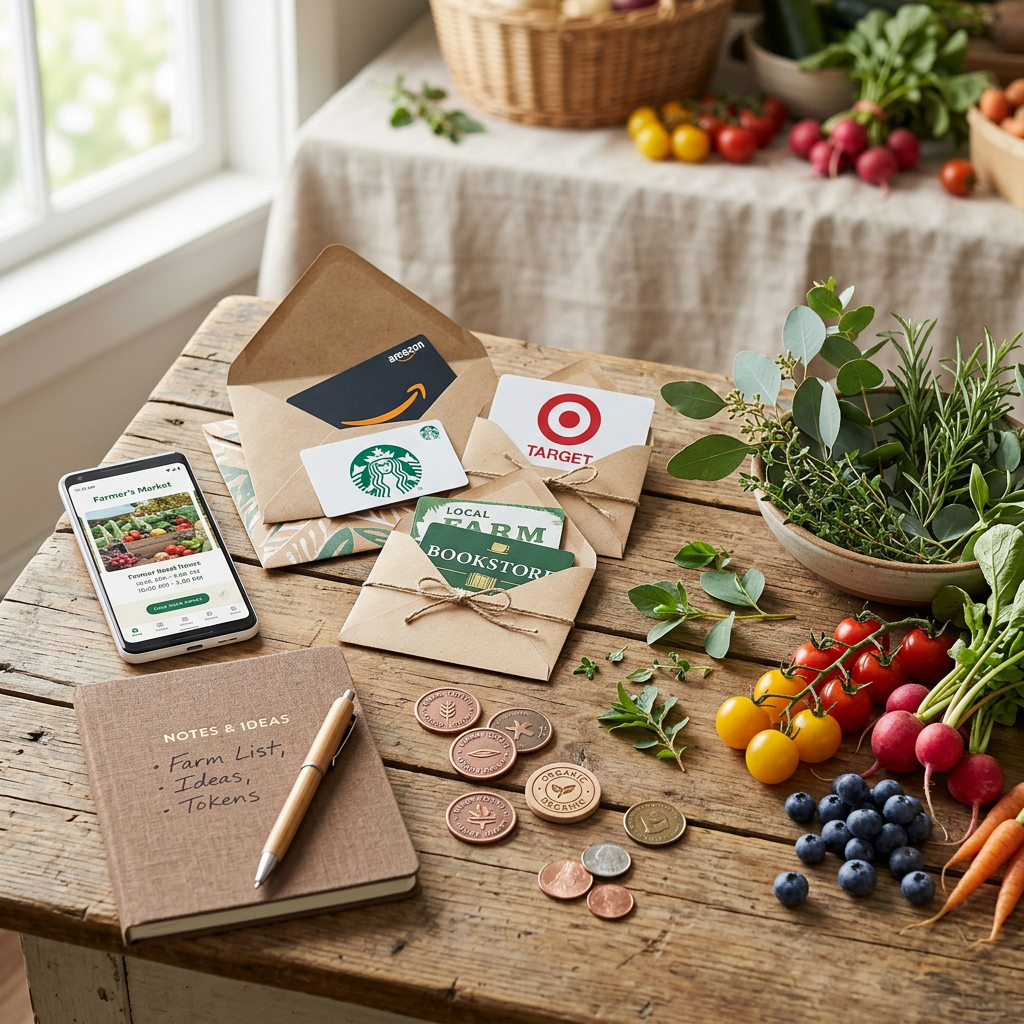
Amazon: A top choice for survey incentives and employee rewards due to its extensive catalog.
Target: Offers everything from daily essentials to indulgent treats, making it a favorite.
Walmart: Known for its practical value and frequent shopping, this brand is a reliable option.
Lifestyle & Specialized Brands
For a more tailored approach, consider these brands that cater to specific interests:
Starbucks: Ideal for smaller rewards, providing a “pick-me-up” for employees and partners.
Best Buy: Perfect for tech enthusiasts, offering a wide range of gadgets and appliances.
Sephora or Ulta Beauty: Excellent choices for self-care incentives, giving recipients access to premium beauty products.
Crafting a gift card incentive program requires thoughtful planning and execution. By defining clear goals, selecting the right card types, and personalizing the experience, you can create a program that not only engages your audience but also delivers real value. Whether you’re rewarding customers or employees, the right incentives can drive desired actions and foster loyalty, ultimately contributing to your business’s success.
Multi-Brand “Choice” Cards
For a small group of 20, you might prefer a single card that allows the recipient to choose where to spend it. Giftcards.com offers these curated “Choice” brands:
- Retail Therapy: Typically includes brands like Macy’s, Wayfair, and Nordstrom Rack.
- Home Sweet Home: Often covers stores like IKEA, Lowe’s, and Barnes & Noble.
- One4all Game & Grub: A popular multi-brand option for food and entertainment.
If you have a background in agricultural sustainability and business development, your recipients might specifically appreciate brands like Amazon for professional equipment or Lowe’s for operational supplies. Home Improvement Stores (Lowe’s or Home Depot) – Particularly relevant for recipients involved in property maintenance or trades, these stores offer tools and supplies that can directly benefit their work.
Organizations can ensure that all participants feel appreciated, regardless of whether they received a gift card. Recognizing contributions and fostering a sense of community can help maintain engagement and motivation, creating a positive environment for everyone involved.
Don’t have enough gift cards for everyone, here are some thoughtful suggestions that may help to ensure that those who do not receive a gift card still feel valued and appreciated:
- Personalized Thank-You Notes – Send handwritten notes expressing gratitude for their participation. Personal touches can make individuals feel recognized and valued.
- Recognition in Group Settings – Acknowledge their contributions publicly during meetings or events. Highlighting their efforts can boost morale and foster a sense of belonging.
- Small Tokens of Appreciation – Consider giving small, inexpensive tokens, such as branded merchandise, snacks, or wellness items. These can serve as a reminder of their participation.
- Certificates of Participation – Provide certificates recognizing their involvement. This can be particularly meaningful in educational or professional settings, showcasing their commitment.
- Access to Exclusive Content – Offer access to exclusive resources, such as workshops, webinars, or training sessions. This can enhance their skills and knowledge, showing that their participation is valued.
- Networking Opportunities – Create opportunities for networking with peers or industry leaders. Facilitating connections can enhance their experience and provide valuable professional relationships.
- Feedback and Input – Invite their feedback on the program or event. Engaging them in discussions about improvements can make them feel invested in the process.
- Future Incentives – Inform them about potential future incentives. This can create anticipation and encourage continued engagement in upcoming events or programs.
- Social Recognition – Utilize social media or newsletters to highlight their contributions. Public acknowledgment can enhance their sense of belonging and recognition.
- Invite to Special Events – Offer invitations to exclusive events, such as appreciation dinners or informal gatherings. This can help build community and strengthen relationships.
Conclusion
Gift cards are an excellent way to incentivize small groups, particularly those with unique interests. By selecting the right brands, organizations can ensure that their incentives are not only appreciated but also meaningful. Whether you choose universal brands for broad appeal or specialized options for a more personal touch, the key is to align your selections with the preferences of your recipients. With thoughtful consideration, gift cards can serve as a powerful tool for motivation and engagement in any setting.


Leave a comment