

This page may contain products from our partners that we promote if you click on a product and make a purchase wr will receive a commission. please see affiliate disclaimer
In the ever-evolving landscape of education, one crucial goal stands tall: ensuring that every child, regardless of their unique needs, is given the opportunity to thrive. For students with autism and other learning disabilities, this mission becomes even more paramount. Fortunately, the integration of constructive technology curriculum in schools is proving to be a game-changer, unlocking new pathways to success for these remarkable individuals.
Embracing Diversity, Fostering Inclusion
At the heart of this transformative approach lies a deep understanding that each child is a unique individual, with their own strengths, challenges, and learning styles. By incorporating constructive technology into the curriculum, schools can create an environment that celebrates diversity and fosters inclusion.
Tools like Grafari and Calcularis, by offered Constructor Tech, are designed to cater to the unique needs of students with autism and other learning disabilities. These innovative platforms leverage the power of technology to deliver personalized, engaging, and adaptive learning experiences that empower students to reach their full potential.
Cultivating Confidence and Independence
One of the key benefits of constructive technology curriculum is its ability to nurture confidence and independence in students with autism and learning disabilities. By providing them with the right tools and support, these students can explore, experiment, and take ownership of their learning journey.
Grafari, with its intuitive interface and customizable learning modules, allows students to navigate their educational path at their own pace, building essential skills and gaining a sense of mastery. Similarly, Calcularis’ interactive, game-based approach to math learning helps students overcome challenges and develop a deeper understanding of mathematical concepts.
Fostering Collaboration and Communication
In addition to individual growth, Constructor.Tech Curriculum also fosters collaboration and communication skills – crucial elements for students with autism and learning disabilities. Through group projects, interactive simulations, and virtual learning environments, these students can engage with their peers, practice social skills, and develop essential communication abilities

Embrace the Future of Learning
As we strive to create a more inclusive and equitable education system, the integration of Constructor.Tech Curriculum is a powerful tool that cannot be ignored. By embracing platforms like Grafari and Calcularis, your school can unlock the full potential of students with autism and learning disabilities, empowering them to thrive and contribute to our ever-evolving world.
Join us in this transformative journey – explore the possibilities of constructive technology curriculum and witness the remarkable impact it can have on the lives of every child. Together, we can build a future where no student is left behind, and every child is celebrated for their unique gifts and talents.
Schools can effectively implement constructive technology curriculum to support the diverse needs of their students. Especially, those with autism and other learning disabilities:
Empowering Every Child: How Constructor Curriculum Can Transform Learning for Kids with Autism and Disabilities

Constructor Tech Curriculum is a comprehensive program designed to introduce students to the fundamentals of technology and engineering. To effectively implement this curriculum in the classroom, schools should familiarize the teaching staff with the curriculum’s structure and learning objectives. Provide professional development opportunities for teachers to understand the pedagogical approach and the various modules and activities included in the Constructor Tech Curriculum. This will enable them to effectively guide students through the learning process and tailor the lessons to meet the needs of their classroom.

Conduct Needs Assessments
Begin by thoroughly assessing the unique needs and learning profiles of the students. This will help identify the specific challenges they face and the areas where constructive technology can have the greatest impact.
Provide Comprehensive Training
Ensure that teachers and staff receive comprehensive training on the use and implementation of constructive technology tools like Rafari and Calcularis. This will empower them to effectively integrate these resources into the curriculum and provide personalized support to students.
Foster Collaborative Environments
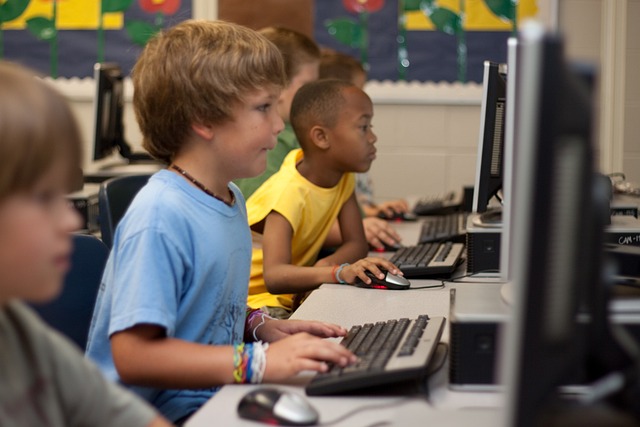
Encourage collaborative learning environments where students with diverse needs can work together, share ideas, and support one another. Constructive technology platforms often have features that facilitate group projects and interactive learning.
Personalize Learning Experiences
Leverage the adaptive and customizable nature of constructive technology to create personalized learning experiences for each student. This allows them to progress at their own pace and focus on areas where they need the most support.
Provide Ongoing Support and Feedback
Establish a system of ongoing support and feedback, where teachers, parents, and students can collaborate to monitor progress, identify areas for improvement, and make adjustments to the constructive technology curriculum as needed.
Engage Families and the Community
Actively involve families and the broader community in the implementation of the constructive technology curriculum. This can help foster a supportive ecosystem and ensure that the benefits of these tools extend beyond the classroom.
Embrace these strategies, so that your school can effectively harness the power of constructive technology to create an inclusive, engaging, and transformative learning environment for all students, empowering them to reach their full potential.



Leave a Reply