


This page may contain products from our partners that we promote if you click on a product and make a purchase wr will receive a commission. please see affiliate disclaimer
🌱🌻 #gardeningtips #gardeninspiration #plantingideas #growyourownfood
Spring is here, and it’s time to start gardening. Feeling undecided about what to plant in your garden? Don’t worry, you’re not alone! With so many options out there, it can be overwhelming to choose. Start by thinking about what you like to eat and what grows well in your area.
Tomatoes, peppers, and cucumbers are easy to grow and versatile in the kitchen. Leafy greens like spinach and kale are also great options for a healthy harvest. Don’t be afraid to mix it up with some herbs and flowers too! Happy planting!
charlene gardiner
In today’s world, the idea of self-sufficiency and sustainability has become increasingly important. One way to achieve this is by growing your own food. However, for many inexperienced farmers and gardeners, the process of planting and maintaining a garden can be daunting. That’s where Burpee Seeds comes in – a company that offers a wide range of high-quality seeds and plants to help you start your journey towards self-sufficiency. With the right seeds and a little bit of know-how, you can create a survival garden that can provide you with fresh produce throughout the year. In this article, we’ll explore the essential steps you need to take to build your own survival garden using Burpee Seeds. From selecting the right seeds to planning and planting your garden, we’ll provide you with all the information you need to become a successful and self-sufficient farmer.
Burpee
Burpee Seeds is a well-known and trusted brand in the gardening and seed industry. Founded in 1876 by W. Atlee Burpee, the company has a long history of providing high-quality seeds to gardeners across the United States. Today, Burpee Seeds offers a wide variety of vegetable, fruit, herb, and flower seeds, including organic and heirloom varieties. The company’s commitment to innovation and sustainability is evident in its ongoing research and development efforts and its use of eco-friendly packaging materials. Burpee Seeds also provides a wealth of gardening resources and tips through its website and customer service channels, making it a go-to source for gardeners of all levels of experience. Whether you’re a seasoned gardener or a beginner, Burpee Seeds is a great choice for reliable and diverse seed options.
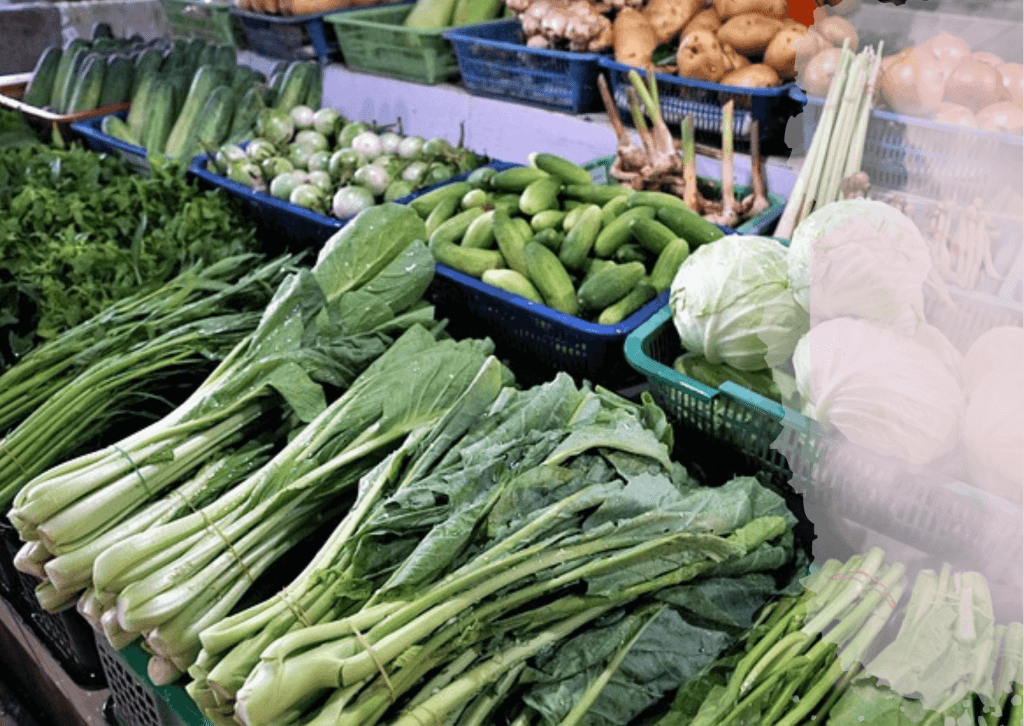
What Is a Survival Garden
A survival garden can definitely be used as a means to learn about different crops and establish a profitable business. Growing a variety of crops not only provides an opportunity to learn about different plants and their growing requirements, but also allows for diversification of products that can be sold for a profit.
To establish a successful business, it’s important to research the demand for various crops in the local market and focus on growing those crops that are in demand. Additionally, it’s important to have a good understanding of the costs associated with growing and selling crops, such as seed, fertilizer, labor, transportation, and marketing expenses.
Survival Essentials
Survival Essential Seed refers to a type of seed that is vital for sustaining life during an emergency or crisis situation. These seeds are typically high-yielding and can grow in a variety of environments, making them a valuable resource for those who are seeking to grow their own food. Examples of survival essential seeds include wheat, corn, beans, peas, and various types of vegetables. In addition to being a source of food, these seeds can also be used to produce oil and other products that can be used for cooking,
In times of crisis, having a thriving survival garden can be a game-changer. Not only can it provide a source of fresh and healthy produce, but it can also help you become more self-sufficient and less reliant on outside sources of food. Building a survival garden may seem daunting, but with the right approach, anyone can do it. Here are some tips on how to build a thriving survival garden.
Choose the Right Location
The first step in building a survival garden is choosing the right location. You’ll want to pick a spot that gets plenty of sunlight, has good drainage, and is protected from strong winds. Ideally, you’ll also want a location that’s close to a water source, as regular watering will be essential to the success of your garden. Carefully decide on where you want to plant your garden, Choose the location of your garden that is convienent and has ease to access, simply because once your plants start to appear there is excitement, aspiration, and modified anticipation”The first step in building a survival garden is choosing the right location. You’ll want to pick a spot that gets plenty of sunlight, has good drainage, and is protected from strong winds. Ideally, you’ll also want a location that’s close to a water source, as regular watering will be essential to the success of your garden. Carefully decide on where you want to plant your garden, Choose the location of your garden that is convienent and has ease to access, simply because once your plants start to appear there is excitement, aspiration, and modified anticipation””The first step in building a survival garden is choosing the right location. You’ll want to pick a spot that gets plenty of sunlight, has good drainage, and is protected from strong winds. Ideally, you’ll also want a location that’s close to a water source, as regular watering will be essential to the success of your garden. .
Carefully decide on where you want to plant your garden, Choose the location of your garden that is convienent and has ease to access, simply because once your plants start to appear there is excitement, aspiration, and modified anticipation. You now have to apply your ‘know-how’ about farming and dive into gardening on a regular basis. When you get set up you will appreciate a garden that you can easily access.
Start with Good Soil
The quality of your soil will have a and significant impact on the success of your survival garden. If your soil is poor, you’ll need to amend it with compost or other organic matter to improve its fertility. You can also test your soil to determine its pH level and nutrient content, which can help you choose the right plants for your garden.

Choose the Right Plants
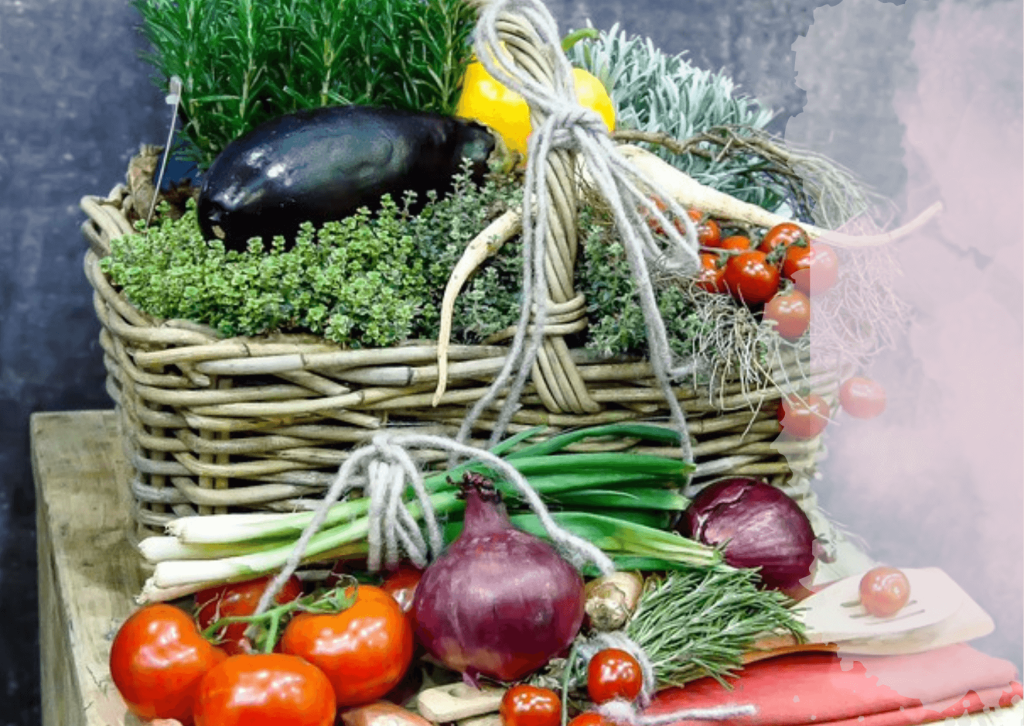
When choosing plants for your survival garden, it’s essential to choose varieties that are well-suited to your climate and soil type. You’ll also want to choose plants that are easy to grow and maintain, as well as plants that are high-yielding and nutrient-dense. Some great options include tomatoes, peppers, cucumbers, zucchini, beans, and leafy greens like spinach and kale.
Survival Garden

Survival Garden Seeds are a collection of non-hybrid, non-GMO seeds that can be used for growing food in a variety of conditions. These seeds are often chosen for their hardiness and resilience, making them ideal for survival situations or for those who want to grow their own food in a self-sufficient manner. Unlike hybrid seeds, which are created by cross-breeding different varieties of plants to produce specific traits, non-hybrid seeds produce plants that are genetically identical to the parent plant. This means that the seeds can be saved and replanted year after year, providing a sustainable source of food. Some common survival garden seeds include beans, corn, tomatoes, lettuce, and cucumbers. It’s important to choose high-quality, open-pollinated seeds and to store them properly to ensure their longevity. With the right seeds and a little bit of know-how, anyone can start a survival garden and enjoy the benefits of fresh, homegrown produce.
Practice Companion Planting
Companion planting is the practice of planting different crops together that have a symbiotic relationship. For example, planting marigolds with your vegetables can help repel pests, while planting beans with corn can help fix nitrogen in the soil. By practicing companion planting, you can improve the health and productivity of your survival garden.
Provide Adequate Water and Nutrients
Regular watering and fertilization are essential to the success of your survival garden. Depending on your soil type and climate, you may need to water your garden every day or every other day. Fertilization can be accomplished through the use of organic matter, such as compost or manure, or through the use of commercial fertilizers.
Protect Your Garden from Pests and Disease
Pests and disease can quickly decimate a survival garden, so it’s essential to take steps to protect your plants. This can include using natural pest repellents, such as garlic or neem oil, or planting pest-resistant varieties of plants. You can also prevent the spread of disease by practicing good sanitation, such as regularly removing dead or diseased plants from your garden.
Harvest Your Produce
The final step in building a thriving survival garden is harvesting your produce. Harvesting at the right time is essential to getting the most out of your garden. Be sure to harvest your produce when it’s fully ripe, and don’t be afraid to experiment with different recipes to make the most of your bounty.
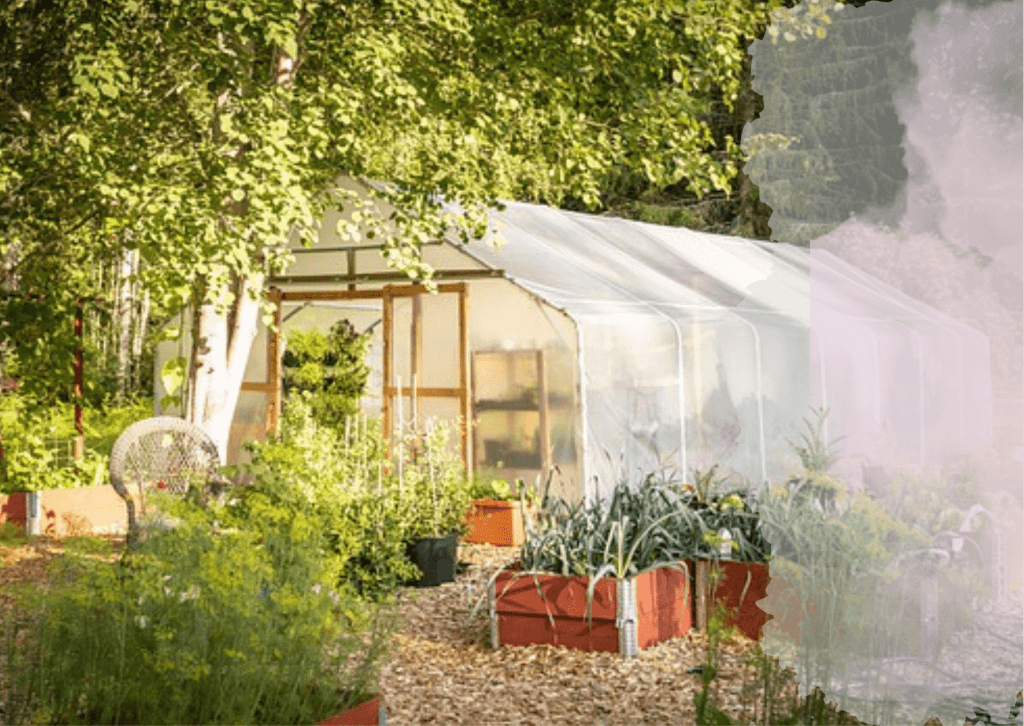
Building a thriving survival garden takes time and effort, but the rewards are well worth it. By following these tips, you can create a garden that will provide you with fresh and healthy produce for years to come.
Tips on how to be a successful farmer
Being a successful farmer requires a combination of hard work, knowledge, and business savvy. Here are some ideas on how to be a successful farmer:
Continuously educate yourself: Keep up to date on new farming technologies, techniques, and research. Attend workshops, conferences, and seminars to learn from experts and other farmers.
Plan and set goals: Create a business plan and set realistic short-term and long-term goals. This can help you stay on track and measure your progress.
Diversify your crops: Plant a variety of crops to minimize risk and increase your chances of success. Experiment with new crops and techniques to see what works best for your land and climate.
Utilize technology: Use technology to improve efficiency and productivity. Consider investing in precision agriculture tools, like soil sensors or drones, to optimize your farming practices.
Build relationships: Networking with other farmers, suppliers, and customers can help you find new markets, access resources, and build a strong reputation in your community.
Take care of your land: Practice sustainable farming methods that protect and improve the health of your soil and natural resources. This can help you maintain the long-term productivity of your farm.
Manage your finances: Keep accurate records of your expenses and income to make informed financial decisions. Monitor your cash flow and profitability to ensure that your farm is sustainable and profitable.
Stay resilient: Farming can be challenging, with unpredictable weather, pests, and other factors. Stay resilient and adaptable by having backup plans and being prepared for unforeseen challenges.
By implementing these ideas, you can increase your chances of success as a farmer and build a thriving farm business.

Conclusion
Overall, a survival garden can be a great starting point for learning about crops and establishing a profitable business. With careful planning, hard work, and a little bit of luck, a survival garden can turn into a thriving agricultural enterprise.



Leave a Reply