



This page may contain products from our partners that we promote if you click on a product and make a purchase wr will receive a commission. please see affiliate disclaimer
The Evolving Science of Agriculture: Soil and Plant Awareness For High Crop Yields
In order to be a successful farmer, a farmer must know exactly what is happening at all points during the growing season in all aspects. This includes knowledge of soil quality, optimal planting and harvesting times, and the effects of environmental factors such as temperature and humidity. The farmer must know a great deal about his land and the products he plans to raise.
More and more, agriculture is becoming an exact science. A never-ending science, with many angles that open up avenues leading in all directions. The successful farmer still needs to have a love of the land, and practical experience, and plenty of courage and determination; but in addition he now needs a thorough grounding in the science of his calling.
A farmer must be aware of the soil analysis technologies and be able to send samples that is appropriate for the desired tests and ask appropriate questions to get the best results.
Laboratory analyses of soil samples fall into three broad categories: 1) methods of comparing soil organic content, 2) methods of comparing particle-size distributions of soil mineral fractions, and 3) mineralogical analysis. These analyses can provide a great deal of insight into the properties of the soil, allowing scientists to make more informed decisions about how to best manage it. They can also be used to identify potential environmental issues such as soil contamination. This information can be used to create more sustainable agricultural practices, protect endangered wildlife, and conserve natural resources. So, it would be wise to create best management practices that allow you to act responsibly when you need to address these tasks.
Knowledge of Plant Characteristics
To be a successful farmer, one must possess in-depth knowledge about the crops you intend to cultivate. Every plant is a complex organism with specific requirements and vulnerabilities. Whether growing wheat, rye, corn, tobacco, cotton, or any other crop, understanding the characteristics of the plant is essential. Familiarity with its germination and growth patterns, susceptibility to diseases and blights, and methods of disease control is crucial. By having a comprehensive understanding of these factors, farmers can proactively address challenges and implement effective strategies that ensures the health and productivity of their crops.
Awareness of Livestock Characteristics
In addition to crops, farmers raising livestock must possess extensive knowledge about their animals. Dairy farmers and ranchers need to be well-acquainted with their cattle, including their nutritional needs, breeding habits, and common illnesses. Such understanding enables farmers to provide appropriate care, optimize feeding regimes, and take timely preventive measures against diseases. By being aware of their animals’ characteristics, farmers can maintain the overall health and well-being of their livestock, leading to better productivity and profitability.
Expertise in Fruit Farming
Fruit farming presents its own unique set of challenges and requirements. Successful fruit growers must possess expert knowledge of tree growth, grafting techniques, pruning methods, and pest control measures. Understanding the intricate processes of fruit development, from blossom to harvest, empowers farmers to make informed decisions at every stage. By implementing appropriate pruning and spraying techniques and ensuring proper fertilization, farmers can enhance fruit quality, quantity, and market value.
The Role of Soil
One of the most critical elements that a farmer must consider is the soil. Soil provides the foundation for plant growth, and its composition directly impacts crop health and yield. Farmers should be aware of soil properties such as nutrient content, pH levels, moisture retention, and drainage capabilities. Conducting regular soil tests allows farmers to identify deficiencies and take corrective actions by adding appropriate fertilizers or implementing soil amendment strategies. By maintaining optimal soil conditions, farmers can create an environment that fosters healthy plant growth and maximizes crop yields.
Adapting to an Evolving Science
Agriculture is constantly evolving, with new technologies, practices, and research emerging regularly. To stay competitive and successful, farmers must embrace lifelong learning and keep up with the latest advancements in their field. This includes attending workshops, agricultural conferences, and staying connected to scientific publications and agricultural experts. By staying informed, farmers can adopt innovative techniques, utilize cutting-edge tools, and implement sustainable practices that promote higher crop yields, environmental stewardship, and long-term viability.
Having a basic knowledge of soil sampling for microbiological analysis is important for farmers for several reasons

Soil Health Assessment: Microbiological analysis provides valuable information about the health and fertility of the soil. It helps farmers understand the composition and activity of microorganisms present in the soil, such as bacteria, fungi, and other beneficial organisms. This knowledge allows farmers to assess the overall soil health and make informed decisions regarding soil management practices.
Nutrient Cycling: Microorganisms play a crucial role in nutrient cycling within the soil. They decompose organic matter, release essential nutrients, fix nitrogen, and enhance nutrient availability to plants. By understanding the microbiological composition of the soil, farmers can determine if there is a lack of beneficial microorganisms or an imbalance in the microbial community. This information enables them to implement appropriate measures to improve nutrient cycling and enhance soil fertility.
Disease and Pest Management: Soil-borne diseases and pests can significantly impact crop productivity. Some microorganisms present in the soil act as antagonists against plant pathogens and pests, providing a natural defense mechanism. By conducting microbiological analysis, farmers can identify the presence of beneficial microorganisms, such as certain species of bacteria or fungi, which can suppress harmful pathogens. This knowledge helps farmers adopt strategies like crop rotation, biocontrol, or microbial inoculants to manage diseases and pests effectively.
Sustainable agricultural practices aim to minimize environmental impact while maintaining productivity. Microbiological analysis of soil helps farmers adopt sustainable practices by reducing the dependence on chemical inputs. By understanding the existing microbial communities, farmers can select appropriate practices like organic amendments, cover cropping, or crop diversification that enhance beneficial microorganisms’ presence and promote long-term soil health.
Precision farming techniques involve site-specific management decisions based on soil variability. Microbiological analysis provides farmers with crucial information about soil microbial populations across different parts of their fields. This knowledge helps farmers design targeted interventions, such as adjusting fertilizer application rates, optimizing irrigation, or adopting specific soil amendments, to maximize crop productivity and minimize input wastage.
Overall, a basic understanding of soil sampling for microbiological analysis empowers farmers to make informed decisions regarding soil health management, nutrient cycling, disease and pest control, sustainable practices, and precision farming. It enhances their ability to optimize crop productivity, reduce environmental impact, and ensure long-term agricultural sustainability.
The formula for Colony Forming Unit (CFU) is:
CFU/mL = (Number of Colonies Counted) / (Volume of Sample Plated x Dilution Factor)
To calculate CFU, you need to count the number of colonies on a plate, determine the volume of the sample that was plated, and calculate the dilution factor. Then you can use the formula to calculate the CFU/mL.
Soil Testing
Four steps associated with soil testing include:
1) soil sample collection,
2) laboratory analysis,
3) interpretation of results, and
4) fertilizer or other management recommendations.
How To Setup A Microbiology Laboratory
Equipment
=
A room or area preferably isolated from the winery
|||
Source of water, electricity and gas
\\\
Smooth easily cleaned benches and floor
=
Vibration free benchtop for microscopy
|||
Dust free cabinet for glassware storage
\\\
Microscope, preferably with phase contrast, slides
|||
Incubator
=
Steriliser for sterilising media and glassware (a pressure cooker will suffice)
|||
Waterbath for heating sterilised agar prior to pouring plates
=
Conical tube of sterile 0.9% NaCl
|||
Micropipettes and sterile tips
\\\
Tryptic Soy Agar (TSA) plates
=
Test tube rack, Paper towels
|||
10% clorox
\\\
Vortexes
|||
30°C incubator
\\\
4°C refrigerator
|||
Nutrient agar plate, bacterial culture dish
\\\
Autoclave
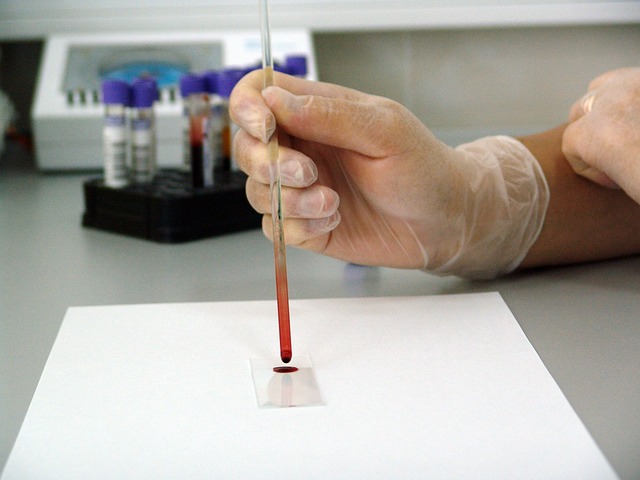
The basis of all selective isolation techniques is the provision of conditions particularly favourable to the organism concerned and as unfavourable as possible to its competitors. This means that once you have identified the organism that you think is present or causing an issue, to find out exactly what type of organism it is you need to isolate or innoculate it. This may involve using traps or baits; media nutritionally selective for certain species; antibiotics or some chemical (eg rose bengal) to kill or inhibit contaminants or competitors; creating a selective environment, e.g., anaerobic conditions or specific temperatures. If the first transfer to a culture medium does not result in a pure culture, futher cleaning must be caried out to create an ideal environment for the sample to thrive in.
https://core.ac.uk/download/pdf/61089.pdf
A LABORATORY GUIDE TO SOIL MICROBIOLOGY SOME GENERAL PRINCIPLES AND PRA CTICE J C FRANKLAND, P M LATTER AND J M POSm I ISOLATION AND MAINTENANCE OF FUNGI AND BACTERIA I1 CULTURE MEDIA III STERILIZATION
Macromorphology of Bacterial Colonies
https://www.tmcc.edu/microbiology-resource-center/lab-protocols/soil-macromorphology
Learning standard microbiological procedures

Follow the safety guidelines established by the Center for Disease Control and Prevention (CDC). Complete documentation is available at the CDC website.
isolation of unknown bacterium in soils
https://www.ableweb.org/biologylabs/wp-content/uploads/volumes/vol-14/6-steubing.pdf
Lab setup requirements may vary depending on the specific nature of the microbiological analysis being conducted. It is advisable to consult with experts or follow established guidelines and regulations for setting up a microbiology lab to ensure compliance and best practices. setting up a microbiology lab
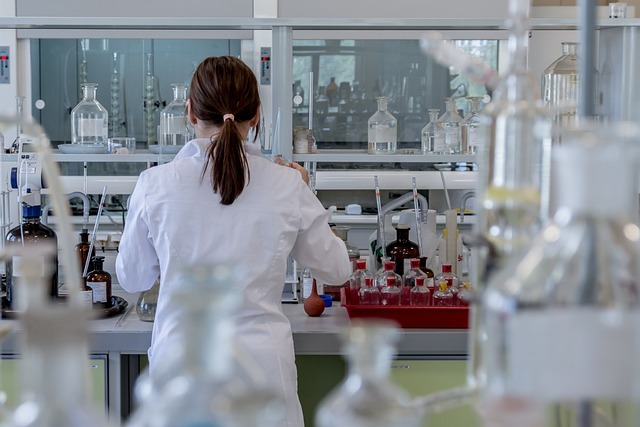
Essential requirements: A room or area preferably isolated from the winery Source of water, electricity and gas Smooth easily cleaned benches and floor Vibration free benchtop for microscopy Dust free cabinet for glassware storage
When setting up a soil lab in a home or farm, it’s important to adhere to safety guidelines and regulations, especially if working with potentially hazardous materials or chemicals. Additionally, it may be beneficial to consult with experts or professionals experienced in lab setup to ensure compliance with best practices.
For a home or farm, an ideal place to set up a soil lab would be a dedicated room or area that meets the following criteria:
Separate and Isolated: Choose a room or area that can be isolated from other activities to minimize the risk of cross-contamination. Ideally, it should be away from areas with heavy foot traffic or potential sources of contamination.
Dedicated Room/Area:Adequate Space: Ensure that the selected space provides sufficient room for setting up laboratory equipment, storage cabinets, and workstations. It should be spacious enough to comfortably accommodate the necessary equipment and allow for easy movement of personnel.
It is important to have a separate room or area that is isolated from other activities example, in the winery. This helps minimize the risk of cross-contamination and ensures a controlled environment for conducting microbiological work.
Good Ventilation: Proper ventilation is important to maintain a healthy environment and prevent the buildup of odors or fumes. The room should have windows or access to fresh air to ensure adequate airflow. In case of working with potentially hazardous substances, a ventilation system or fume hood might be necessary.
Utility Connections: Access to essential utilities such as water, electricity, and gas is crucial. Water is needed for sample preparation, cleaning, and maintaining hygiene. Electricity is required to power equipment, lighting, and other electrical devices. If gas burners or Bunsen burners are used for sterilization purposes, a gas connection may be necessary.
Access to a reliable source of water is essential for preparing culture media, washing glassware, and maintaining general cleanliness. Adequate electricity supply is needed to power equipment such as incubators, microscopes, and sterilizers. Gas supply, typically in the form of propane or natural gas, is required for operating Bunsen burners or gas burners for sterilization purposes.
Smooth and Cleanable Surfaces: The lab should have smooth and non-porous benches and floors that can be easily cleaned and sanitized. This helps to maintain a sterile and hygienic environment and prevents the accumulation of microorganisms or contaminants.
Choose a room with smooth and easily cleanable surfaces, such as tiled floors and smooth countertops. This facilitates proper cleaning and maintenance of a sterile environment.
Storage Space: Allocate a designated area for storing glassware, chemicals, reference materials, and other lab supplies. Proper storage cabinets or shelves help keep equipment organized and protected from dust and contaminants.
Safety Considerations: Safety Measures: Ensure the lab is equipped with safety features such as fire extinguishers, emergency eyewash stations, and first aid kits. Appropriate personal protective equipment (PPE) such as lab coats, gloves, safety goggles, and face masks should be provided to ensure the safety of lab personnel. Additionally, consider implementing safety practices and providing personal protective equipment (PPE) for handling chemicals and potentially hazardous materials.
Temperature Control: Depending on the sensitivity of the samples and analyses being performed, it may be necessary to maintain a controlled temperature environment. Consider the use of air conditioning or heating systems to maintain a suitable temperature range for accurate results.
Lighting: Sufficient lighting is crucial for conducting lab work effectively. Natural lighting from windows, supplemented with artificial lighting, is ideal for ensuring proper visibility and accuracy.
Accessible Location: Choose a location that is easily accessible for transporting soil samples and other materials to and from the lab. Consider proximity to the farm or areas where soil sampling is performed to minimize transportation time and effort.
the CDC is a reputable source for information on laboratory safety and biosafety practices. They provide guidelines and recommendations for establishing and operating laboratories in various settings. For setting up a farm lab, it is advisable to refer to CDC
Setting up a microbiology lab requires several essential requirements to ensure a suitable environment for conducting microbiological analysis. Here are the key elements:
Vibration-Free Benchtop: Microscopy work often requires a vibration-free surface to obtain clear and accurate images. A stable and sturdy benchtop or specialized anti-vibration table is essential for microscopy analysis.
Dust-Free Cabinet: A designated cabinet or storage area should be available for storing glassware and other equipment. This cabinet should be designed to minimize dust accumulation and maintain the sterility of the stored items.
Temperature and Humidity Control: Microorganisms can be sensitive to temperature and humidity variations. Depending on the specific requirements of the microbiological analysis, it may be necessary to install temperature-controlled incubators or refrigerators to maintain optimal conditions for microbial growth and storage of cultures.
Sterilization Equipment: Autoclaves or sterilizers are crucial for sterilizing glassware, media, and other equipment. These devices use high-pressure steam to kill microorganisms and ensure aseptic conditions for conducting experiments.
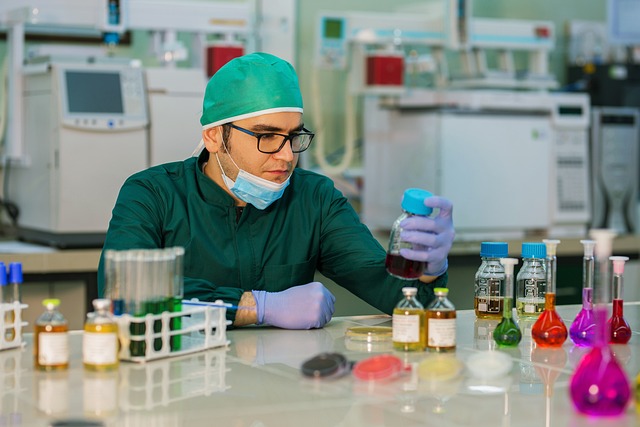
Microscopy Equipment: Microscopes are essential for examining microorganisms and their characteristics. Depending on the specific requirements, a light microscope or specialized microscopy equipment such as phase-contrast or fluorescence microscope may be needed.
Culture Media and Reagents: The lab should be equipped with a range of culture media, agar plates, and various reagents required for microbiological analysis. These should be stored appropriately, following manufacturer guidelines and ensuring proper labeling and tracking of expiration dates.
Conclusion:
The modern farmer must possess a multifaceted skill set, combining practical experience and a deep understanding of the science behind their profession. To achieve high crop yields, farmers need to be aware of soil conditions, plant characteristics, and other relevant factors. By utilizing this knowledge, farmers can optimize their cultivation practices, mitigate risks, and ensure the overall health and productivity of their crops. As agriculture continues to advance, farmers must remain open to learning and adapting to the ever-evolving science of their calling, thereby securing a prosperous future for themselves and the agricultural industry as a whole.


