



This page may contain products from our partners that we promote if you click on a product and make a purchase wr will receive a commission. please see affiliate disclaimer
Cooking is both an art and a science, and one of the key ingredients to creating delicious and safe meals is using a cooking thermometer. A cooking thermometer is an essential tool for any kitchen, allowing you to accurately measure the temperature of your food and ensure that it is safe to eat. But using a cooking thermometer isn’t just about safety – it can also help you achieve perfect cooking results every time. In this guide, we’ll explore the importance of using a cooking thermometer, and how to use them effectively to create mouth-watering dishes that are both safe and perfectly cooked. So whether you’re a beginner in the kitchen or an experienced home chef, this guide will provide you with the knowledge and skills you need to take your cooking to the next level.
Cheftemp For Quality Temperature Control
As any professional chef will tell you, precision is key when it comes to cooking. That’s why having the right tools in the kitchen can make all the difference between a mediocre meal and a culinary masterpiece. One such tool that has revolutionized the culinary world is the ChefTemp thermometer. ChefTemp thermometers are designed to provide chefs with the utmost accuracy and precision when it comes to measuring the temperature of their dishes. Whether you’re cooking meat, fish, or vegetables, the ChefTemp thermometer allows you to monitor the temperature with ease, helping you to achieve perfectly cooked dishes every time. We’ll take a closer look at ChefTemp thermometers and explore their features, benefits, and how to use them effectively. So whether you’re a professional chef looking to take your cooking to the next level or a home cook looking to up your culinary game, this guide will provide you with everything you need to know about ChefTemp thermometers.
Ensuring Food Safety and Quality: The Importance of Thermometer Use in Cooking and the Role of HACCP
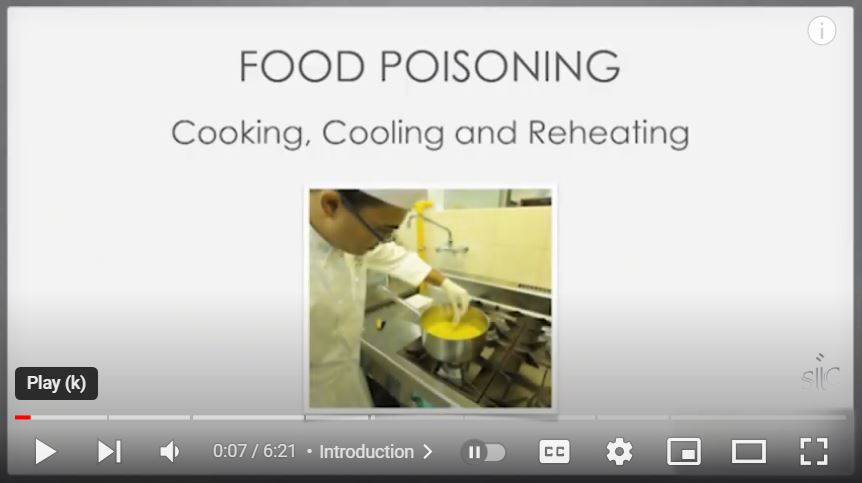
Cooking is an essential part of food preparation, but it can also be a potential source of foodborne illness if not done properly. One of the critical aspects of cooking is ensuring that the food is cooked to the appropriate temperature. This is where the use of a thermometer comes into play, and ‘how the Hazard Analysis and Critical Control Points (HACCP) system can help improve cooking standards.
Why is Thermometer Use Important in Cooking?
Cooking food to the appropriate temperature is essential for killing harmful bacteria, viruses, and parasites that may be present. Consuming undercooked food can result in foodborne illnesses, which can lead to severe health issues or even death. This is why the use of a thermometer is critical in ensuring that food is cooked to the correct temperature.
Different types of food require different cooking temperatures, and without a thermometer, it can be challenging to determine when the food is cooked correctly. For instance, poultry should be cooked to an internal temperature of 165°F, while ground beef should be cooked to an internal temperature of 160°F. By using a thermometer, you can ensure that the food is cooked to the correct temperature, minimizing the risk of foodborne illnesses.
Hazard Analysis And Critical Control Points HAACP
The Role of HACCP in Improving Cooking Standards
HACCP is a systematic approach to food safety that identifies potential hazards in the food production process and implements measures to control and prevent them. The HACCP system can also be applied to cooking by identifying critical control points (CCPs) in the cooking process and implementing measures to control and monitor them.
The first step in implementing HACCP in cooking is to identify the hazards associated with the cooking process, such as undercooked food or cross-contamination. Once the hazards have been identified, critical control points in the cooking process can be determined, such as cooking temperature or cooling procedures.
For each critical control point, critical limits must be established, and monitoring procedures put in place to ensure that the critical limits are being met. Corrective actions must also be established in case the critical limits are not met. Regular verification procedures, such as temperature checks and record-keeping, must be implemented to ensure that the HACCP system is working effectively.
ISO 22000
ISO 22000 is a food safety management system that provides a framework for managing food safety hazards along the entire food chain. HACCP (Hazard Analysis and Critical Control Points), on the other hand, is a systematic approach to identifying and controlling potential hazards in food production. While both systems have a similar goal of ensuring food safety, they are distinct in their approach.
ISO 22000 and HACCP can be used together to create a comprehensive food safety management system. HACCP provides a detailed methodology for identifying hazards and critical control points, while ISO 22000 provides a broader framework for managing food safety risks at every stage of the food chain.
By combining HACCP and ISO 22000, organizations can create a more robust food safety management system that addresses both specific hazards and broader risks. HACCP can be used to identify critical control points and establish monitoring procedures, while ISO 22000 can be used to implement and manage these procedures across the entire food chain.
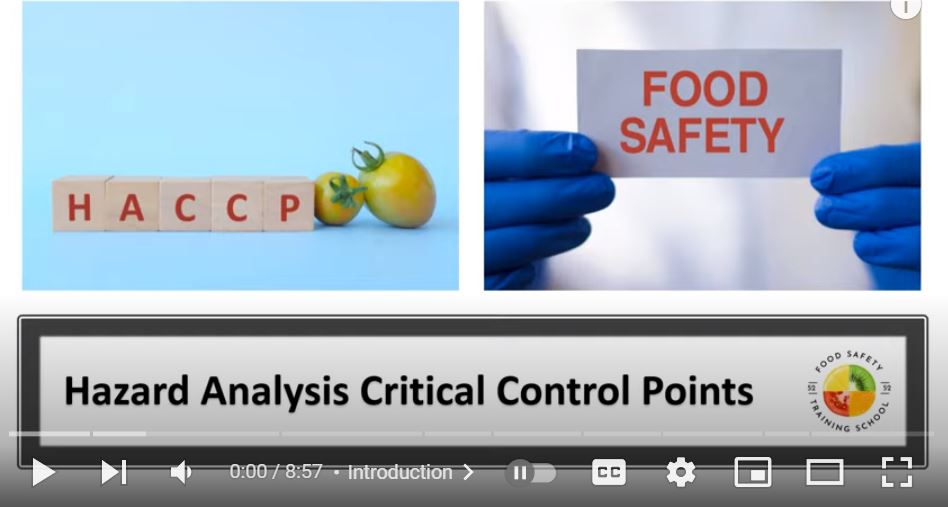
By implementing HACCP in cooking, the cooking process can be standardized, ensuring that food is cooked to the appropriate temperature and minimizing the risk of foodborne illnesses. HACCP can also help identify areas of improvement in the cooking process, which can lead to a better quality of food and higher customer satisfaction.
How to prevent bacteria from spoiling your food and making your guests ill

Safe steps in food handling, cooking, and storage are essential in preventing foodborne illness. You can’t see, smell, or taste harmful bacteria that may cause illness. In every step of food preparation, follow the four guidelines to keep food safe:
Clean—Wash hands and surfaces often
Separate—Separate raw meat from other foods
Cook—Cook to the right temperature
Chill—Refrigerate food promptly
The Kitchen Thermometer


Cooking thermometers are an essential tool for anyone who wants to cook food safely and precisely. By using a thermometer, you can take the guesswork out of cooking and ensure that your meals are safe and delicious every time. Choosing the right type of cooking thermometer depends on your specific needs and the type of cooking you do. Each type has its advantages and disadvantages, so it’s important to research and choose the thermometer that best fits your cooking style.
Cooking thermometers are used to measure the internal temperature of food to ensure it is cooked safely and properly. They can be used for a variety of cooking methods, including grilling, roasting, baking, and sous vide.
When cooking meat, poultry, fish, or eggs, it is important to ensure they reach a safe internal temperature to prevent foodborne illnesses. Cooking thermometers are used to accurately measure the internal temperature of these foods, which is a reliable way to determine if they have been cooked to a safe temperature.
Cooking thermometers can also be used to monitor the temperature of baked goods, candy, and other dishes that require precise temperature control. They can help ensure that foods are cooked evenly and to the desired level of doneness
Cooking thermometers for oils and liquids are specifically designed to measure the temperature of hot liquids such as oil, water, and sauces. They are often used in deep frying, candy making, and brewing.
These thermometers typically have a long probe that can be inserted into the liquid to measure its temperature accurately. They may also have a clip or other attachment that allows them to be attached to the side of a pot or container.
Cooking thermometers for oils and liquids can measure temperatures up to around 400°F (204°C) and are often made of stainless steel or other heat-resistant materials. Some models also have digital displays, alarms, and other features to help monitor the temperature of liquids accurately.
Using a cooking thermometer for oils and liquids can help ensure that your food is cooked properly and prevent overcooking or undercooking. It can also help prevent burns or injuries caused by hot liquids.
Food Safety Basics
Food safety is an important consideration for anyone who prepares food at home. The United States Department of Agriculture (USDA) has a wealth of information on their website about safe food handling and preparation. One topic that they cover in-depth is the use of kitchen thermometers to ensure that food is cooked to a safe temperature. Click here to see article and form an opinion on how you feel they address the topic.
USDA Article: How to Use A Kitchen Thermeometer
According to the USDA, it is essential to use a food thermometer to ensure that food is cooked to a safe temperature. This is because harmful bacteria that can cause foodborne illness can survive in certain types of food, such as meat, poultry, fish, and eggs, until they are cooked to a safe temperature. By using a thermometer to check the internal temperature of these foods, you can ensure that they have been cooked to a temperature that is high enough to kill any harmful bacteria.
There are several different types of kitchen thermometers available, including instant-read thermometers, oven-safe thermometers, leave-in thermometers, candy thermometers, and probe thermometers. Each type is designed to measure the temperature of food in a specific way, and it’s important to choose the right type for the job.
The USDA recommends using a food thermometer to check the internal temperature of meat, poultry, fish, and egg dishes. For example, poultry should be cooked to an internal temperature of 165°F (74°C), while ground beef should be cooked to 160°F (71°C). Fish should be cooked to an internal temperature of 145°F (63°C), and eggs should be cooked until both the yolk and white are firm.
It’s also important to use a thermometer to check the temperature of leftovers before reheating them. Leftovers should be heated to an internal temperature of 165°F (74°C) to ensure that any harmful bacteria are killed.
In addition to using a food thermometer, there are other steps you can take to ensure that your food is safe. This includes washing your hands and surfaces often, separating raw meat from other foods, and refrigerating or freezing perishable foods promptly.
From Novice to Chef: How Cheftemps Can Help You Achieve Perfectly Cooked Foods Every Time
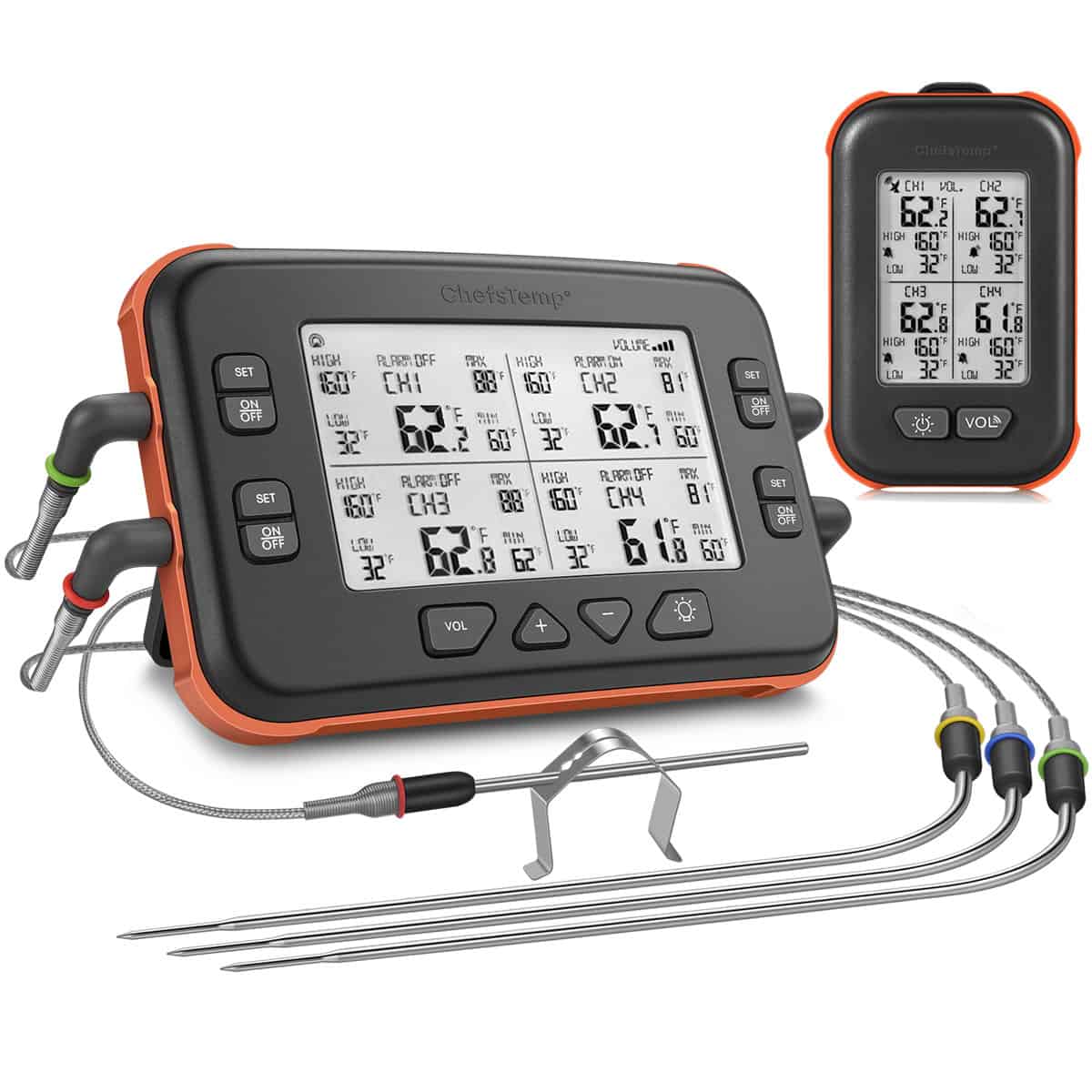
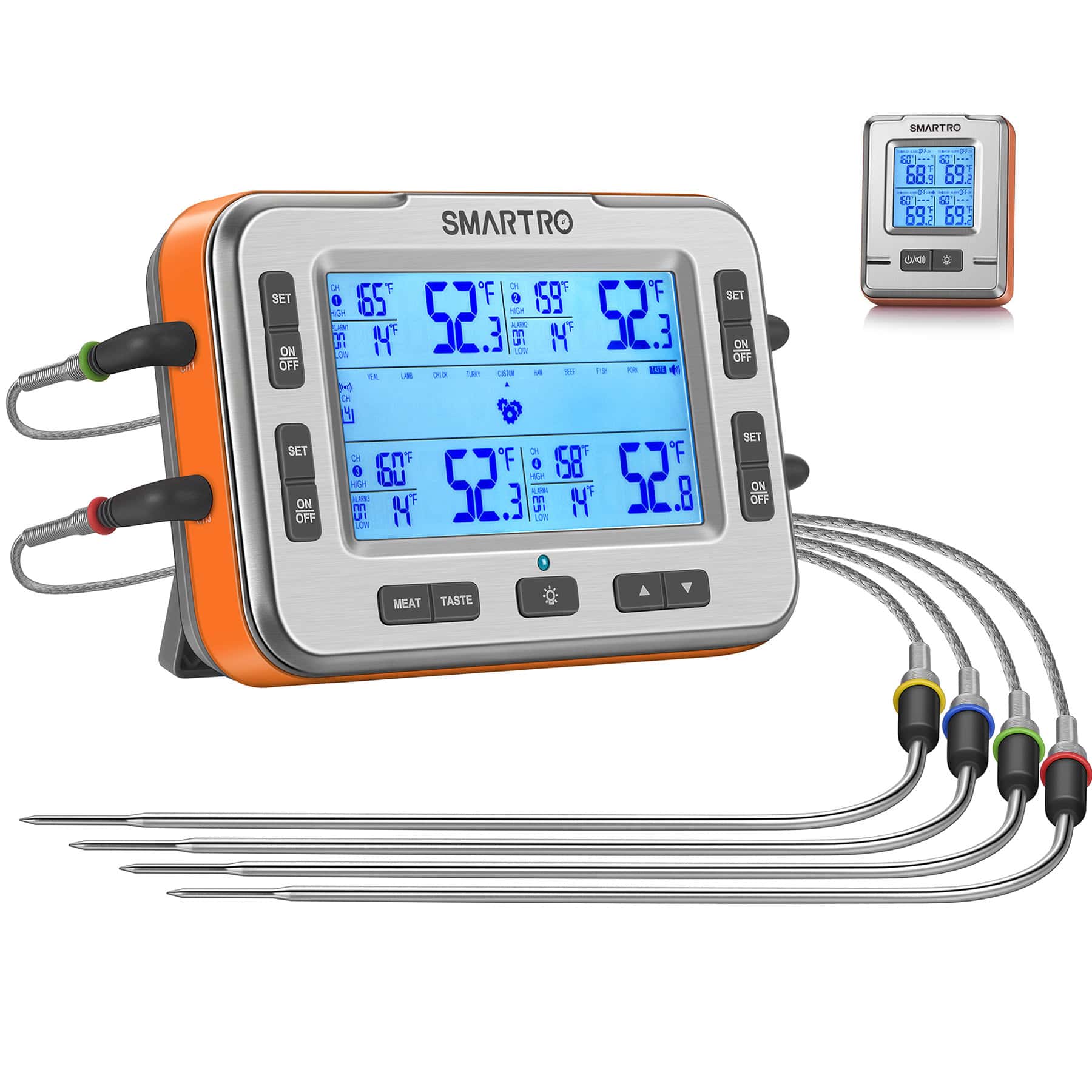
Achieving the right temperature is crucial to achieving outstanding results when it comes to smoking-making. An effective remote alarm thermometer is an essential culinary tool for monitoring temperature when smoking or cooking any kind of food.
ChefTemp thermometers are unique for several reasons, which make them an ideal tool for professional chefs and home cooks who are looking for precision and accuracy in their cooking. ChefTemp thermometers are unique because of their speed, accuracy, versatility, durability, and user-friendly design. Chefs should consider purchasing them because they can help to ensure that their dishes are cooked to perfection, with consistent and precise results every time.Here are a few reasons why ChefTemp thermometers stand out:
Speed and accuracy: ChefTemp thermometers use advanced sensing technology to deliver fast and accurate temperature readings, which is critical when working in a fast-paced kitchen environment. They provide readings within seconds, so you can monitor the temperature of your food in real-time.
Versatility: ChefTemp thermometers are versatile and can be used for a variety of cooking applications, such as grilling, baking, roasting, and smoking. They can be used to measure the temperature of meat, fish, poultry, and even candy and oil, making them a useful tool in any kitchen.


Durability: ChefTemp thermometers are built to last, with rugged, waterproof construction that can withstand the rigors of a busy kitchen environment. They are made from high-quality materials that are designed to withstand daily use and abuse, making them a reliable investment for any chef.
User-friendly design: ChefTemp thermometers are designed with the user in mind, with intuitive controls and easy-to-read displays. They are also easy to clean and maintain, making them a convenient tool for busy chefs.
Sous Vide Success: The Importance of Getting a Thermometer for Perfectly Cooked Meals
Sous vide is a cooking method that involves vacuum-sealing food in a plastic bag and cooking it in a water bath at a precisely controlled temperature. This technique allows for precise temperature control and results in evenly cooked, tender, and flavorful dishes. Using a thermometer is crucial to the success of the sous vide cooking process.
Sous vide cooking relies on precise temperature control to achieve the desired texture and doneness of the food being cooked. Using a thermometer ensures that the water bath is at the correct temperature and that the food is cooked to the appropriate internal temperature. Even slight temperature variations can affect the outcome of the dish, so accuracy is key.
A thermometer can be used to monitor the temperature of the water bath throughout the cooking process to ensure that it remains constant. A high-quality, accurate thermometer is essential for this method of cooking. Some sous vide cooking equipment comes with built-in thermometers, but it is still recommended to use a separate thermometer to double-check the temperature and ensure accuracy.
Additionally, using a thermometer can help ensure that the food being cooked is safe to eat. The internal temperature of the food must reach a certain temperature to kill harmful bacteria and prevent foodborne illnesses. A thermometer can be used to check the internal temperature of the food to ensure that it has reached the appropriate temperature for safety.
Using a thermometer is crucial to the success of the sous vide cooking process. It allows for precise temperature control, ensuring that the food is cooked to the desired doneness and is safe to eat. Investing in a high-quality thermometer is essential to achieving perfectly cooked sous vide dishes.
“Master Your Grill and Oven with Precision: The Importance of Getting a Thermometer for Roasting, Grilling, and Barbeque”
Roasting is a popular cooking technique that involves cooking food in an oven at high heat. This technique is often used for cooking meat, poultry, and vegetables. Using a thermometer is an important tool to help perfect the roasting process.
When roasting meat, the internal temperature is crucial to determine doneness. Undercooked meat can result in foodborne illnesses, while overcooked meat can be dry and tough. Using a thermometer can help ensure that the meat is cooked to the correct internal temperature, resulting in a juicy and flavorful dish.
Two types of meat thermometers can be used for roasting: instant-read thermometers and leave-in thermometers. Instant-read thermometers are designed to quickly measure the internal temperature of the meat and are inserted into the thickest part of the meat towards the end of cooking. Leave-in thermometers are inserted into the meat at the beginning of cooking and remain in the meat throughout the cooking process, allowing you to monitor the temperature as the meat cooks.
To use a thermometer for roasting, it is essential to insert the thermometer into the thickest part of the meat, making sure not to touch any bone or fat. This will give an accurate reading of the internal temperature of the meat. Different types of meat require different internal temperatures to be considered fully cooked. For example, beef should be cooked to an internal temperature of 135°F for medium-rare, while poultry should be cooked to an internal temperature of 165°F to ensure safety.
Using a thermometer can help perfect the roasting process by ensuring that the meat is cooked to the correct internal temperature, resulting in a flavorful and juicy dish. By investing in a high-quality thermometer and understanding the correct internal temperatures for different types of meat, you can take your roasting skills to the next level and impress your guests with perfectly cooked dishes every time.
Conclusion
In conclusion, using a kitchen thermometer is an essential part of safe food handling and preparation. By ensuring that food is cooked to a safe temperature, you can prevent foodborne illness and keep your family safe. The USDA website is a great resource for learning more about safe food handling practices, including the use of kitchen thermometers. Cooking is an essential part of food preparation, but it can also be a potential source of foodborne illness if not done correctly. The use of a thermometer is critical in ensuring that food is cooked to the appropriate temperature, minimizing the risk of foodborne illnesses. The HACCP system can also be applied to cooking by identifying critical control points in the cooking process and implementing measures to control and monitor them. By implementing HACCP in cooking, the cooking process can be standardized, ensuring that food is cooked to the appropriate temperature, and the risk of foodborne illnesses is minimized.