



This page may contain products from our partners that we promote if you click on a product and make a purchase wr will receive a commission. please see affiliate disclaimer
Integrated farming has become an increasingly popular solution to the demand for sustainable and locally sourced food products. By combining agriculture, livestock, and aquaculture, integrated farms can produce a variety of products in a more environmentally friendly and efficient way. However, value-added product manufacturing, such as processing and packaging, can still be a bottleneck in the supply chain. That’s where a smart manufacturing commercial kitchen comes in. By integrating cutting-edge technology into the production process, this type of kitchen can improve efficiency, quality, and profitability while ensuring profiency. Integrated Farming Innovation: A Smart Manufacturing Commercial Kitchen for Value-Added Products is an article that will be of interest to farmers who want to leverage their resources and make informed decisions.
The production of value-added products can help integrated farms increase their profitability in a variety of ways.
This article aims to guide farmers; who are interested in expanding their home-based kitchen and are increasing their production levels by implementing a manufacturing business, by providing insights and practical advice on how to better organize a farm to meet the demands of a more trending base agribusiness. It focuses on presenting different products that can perform the same task, providing readers with a range of options to compare and choose from. By doing so, farmers can make informed decisions that suit their needs and preferences.
We acknowledge that transitioning from a home-based kitchen to a manufacturing business requires careful planning and execution. We will highlight the importance of setting realistic goals and timelines, identifying the necessary resources, and acquiring the required skills and knowledge.
Moreover, the article emphasizes the need for farmers to comply with the relevant regulations and standards, such as food safety regulations, labeling requirements, and zoning laws. By complying with these regulations, farmers can ensure that their manufacturing business is legally sound and safe for their consumers.
Overall, it provides valuable insights and practical advice for farmers who aspire to setup a homebased kitchen, or transition from a home-based kitchen to a manufacturing business. By following the guidelines and recommendations presented in this article, farmers can increase their production levels, expand their business, and ultimately, improve their profitability.

Don’t wait, start turning your culinary dreams into reality!
Transform your smart kitchen into a profitable enterprise and join the growing ranks of successful small-scale food manufacturers.
Table of Content
- Smart Manufactory Commercial Kitchen
- Value Added Production
- Ways Integrated Farms Can Increase Their Profitability By Creating Value-Added Products
- Basic Equipment Needed For A Commercial Kitchen
- Fermented Foods
- Jams and Jellies
- Shredded Coconut
- Fruit Pulp Extraction
- Vegetable Processing
- Nut Butter
- Dried Fruit
- Meat Processing
- Bakery Products
- Condiment And Sauces
- Marketing
- Food Safety
- Conclusion
What is Smart Manufactory Commercial Kitchen?
A smart manufactory commercial kitchen is a kitchen that uses creativity to operate a small business. Advanced technology, usually innovative technology is implemented to automate and streamline the production of food. This type of kitchen typically uses automated equipment such as robotic automated ovens, and automated food preparation machines to reduce labor costs and increase efficiency. Smart manufactory commercial kitchens also often feature advanced software systems that allow for the tracking of ingredients, recipes, and production processes.
Smart Kitchen For Home Chefs Who Want To Upscale To A Commercial Kitchen
Are you a home chef looking to take your cooking to the next level? If so, a smart kitchen may be the perfect solution for you. Smart kitchens are equipped with innovative technology that can help you take your cooking to the commercial level. This type of kitchen is great for those who want to take their cooking to the next level, but don’t have the resources or space to do so.
What Type of Innovative Technology is Available?
Smart kitchens are equipped with a variety of innovative technology that can help you take your cooking to the commercial level. This includes automated systems that can help you manage your kitchen, such as automated temperature and humidity control, automated ingredient tracking, and automated food safety systems. Additionally, you can find smart kitchen appliances that can help you with food preparation, such as sous vide machines, induction cooktops, and automated food processors.
Who Is This Type of Kitchen Great For?
How To Get Into And Stay Motivated To Operate A Smart Kitchen
Smart kitchens are great for those who want to take their cooking to the commercial level, but don’t have the resources or space to do so. This type of kitchen is also great for those who want to experiment with new recipes and techniques, as the automated systems can help you manage the process. Additionally, this type of kitchen is great for those who want to start a small business, as the automated systems can help you manage the process and keep track of your inventory.
Getting into and staying motivated to operate a smart kitchen can be a challenge. The best way to stay motivated is to set goals and track your progress. Additionally, it’s important to stay organized and keep track of your inventory. Finally, it’s important to stay up to date on the latest technology and trends in the industry.
Resources And Ideas On How To Turn A Home Business Into a Small Manufactory
If you’re looking to turn your smart kitchen into a small manufactory, there are a few resources and ideas that can help you. First, you’ll need to research the industry and find out what type of products you can produce. Additionally, you’ll need to find a reliable supplier for your ingredients and materials. Finally, you’ll need to find a way to market and sell your products. You can do this through online platforms, such as Etsy or Amazon, or through local markets and events.
What Is A Value-Added Product?
Value added products are raw agricultural products that have been modified or enhanced to have a higher market value and/or a longer shelf life. Many farmers have useful trades, for preservation of their own products, that they have perfected over the years. Some of these expertise can be used to produce marketable value added products.
Ways Integrated farms can increase their profitability by creating value-added products
By producing value-added products, farms can increase their revenue streams. These products can be sold at a higher price point than raw commodities, which typically have lower profit margins. By creating value-added products, farms can increase their overall revenue, leading to higher profitability.
Value-added products provide the opportunity for farms to create a unique brand identity which can help differentiate their products from those of competitors and create a loyal customer base. A strong brand identity can increase customer loyalty and repeat purchases, which can contribute to long-term profitability.
Producing value-added products can diversify a farm’s product offerings and reduce its reliance on a single commodity or crop. This can provide protection against market volatility and reduce risk. By diversifying, farms can mitigate risks and increase their profitability.
Value-added products can be made from byproducts or waste materials that may otherwise be discarded. By repurposing these materials into value-added products, farms can reduce waste and increase their profitability.
Value-added products can have higher profit margins than raw commodities. By creating value-added products, farms can improve their margins and increase their profitability.
Value-added products can provide farms with access to new markets, both domestically and internationally. This can help farms expand their customer base and increase their profitability.
Basic Equipment Needed For A Commercial Kitchen
Creating a smart manufacturing facility from scratch can be a daunting and expensive task, but there are steps a farmer can take to gradually build towards this goal. Here are some tips on how a farmer with basic tools and equipment can attain a completed smart manufactory for each of these projects:
To create a functional kitchen, the following basic equipment is typically needed:
- Refrigeration units (walk-in coolers, refrigerators, freezers)
- Cooking equipment (ovens, stovetops, griddles, fryers)
- Food prep equipment (cutting boards, knives, mixers, blenders, sous vovous, food processors)
- Storage equipment (shelving, racks, storage containers)
- Cleaning equipment (dishwashers, sinks, cleaning supplies)
Taste, quality, and good sanitation practices are essential for any small manufacturing business on a farm. By following proper food safety protocols, using fresh ingredients, and having a quality control system in place, customers can be assured that the products they purchase are of the highest quality. Additionally, by having a good customer service system in place, customers can be assured that their inquiries and complaints will be addressed in a timely manner.
Fermented Foods
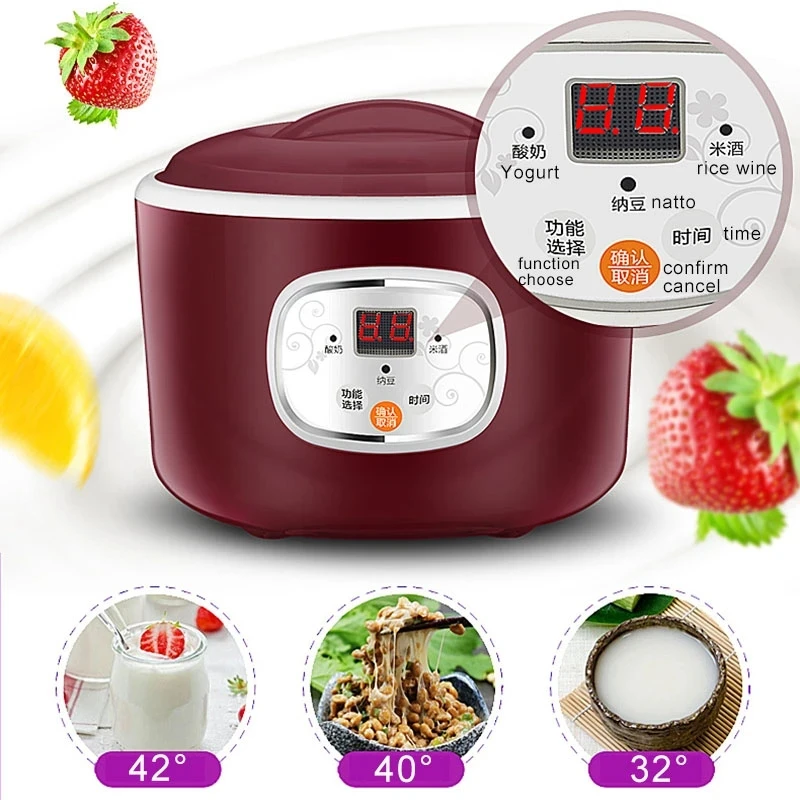
In addition to peppers, other fermented foods like sauerkraut, kimchi, yogurt, chutney, sourdough, and kombucha are gaining popularity due to their health benefits. A tech-savvy commercial kitchen can improve the fermentation process and ensure consistent quality.
What ingredients you need to make fermented food?
The basic ingredients needed when fermenting foods are; a good salt/sugar brine, bacterial culture, yeast or lactic acid, and vegatbles. Fermentation is an art that requires dedication. The main objective, as with any of these projects is to have great flavor and a long lasting product.
What equipment you need to make fermented food?
- Scale
- Fermentation crocks
- Mason jars
- Special lids
- Airlocks for lids
- Vegetable slicer
Start with a small-scale fermentation setup using simple crocks and airlocks. Gradually invest in more advanced equipment, such as pH meters, temperature controllers, and fermentation chambers, as production scales up. Implement data collection and analysis software to optimize fermentation conditions and ensure consistent quality.
Hamilton Beach
Hamilton Beach offers a variety of commercial fermentation equipment, including fermentation tanks, fermentation vessels, fermentation controllers, and fermentation chillers. They also offer a range of accessories, such as airlocks, thermometers, and hydrometers.
Jams and Jellies
Beyond the classic strawberry and grape varieties, there are endless possibilities for unique and flavorful jams and jellies. A commercial kitchen can streamline the process of cooking, packaging, and labeling to increase production.
You’ve got access to the farmer’s market jewels or have excess jewels that you’ve grown. You’ve been making and tweaking batches of jams to your owning liking. Now it’s lime to get your product to market.
What ingredient do you need to make jam?
As a jam and jelly maker you will need to have access to constant supply of these three three ingredients: sugar, pectin, and fruit.
What equipment do you need to make jam?
You will need three important pieces of equipment: pot, jam jars and a wooden spoon. This sounds simple enough, and it is, but when you have perfected your craft and are making larger batches and more frequently you need to make the decision of whether or not to upgrade these equipment and/or add equipment to go along with them.
Begin with basic kitchen equipment such as large kettles, strainers, and funnel fillers. Gradually invest in canning equipment, such as a water bath canner, pressure canner, and jar lifter, to ensure safe preservation and extend shelf life. Implement computerized controls and software to track production and inventory, and improve recipe formulations and quality control.





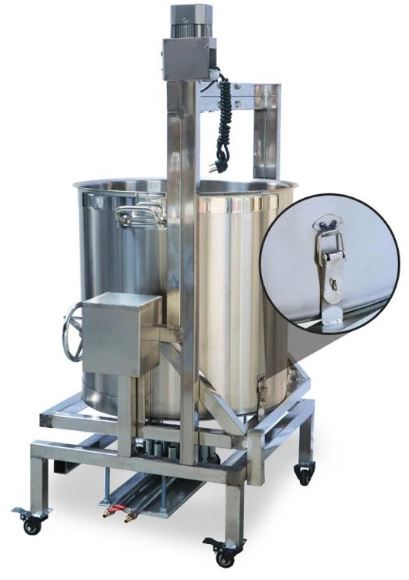
Chili Tomato Cooker Mixer Soup Porridge Boiling Cooking Kettle Pot Gas Heating Curry Paste Sauce Making Machine
Cooking Mixer Machine
Gas heating Tomato Paste Cooking mixer machine / 500l hot sauce jam making jacketed steam kettle jacketed cooking kettle
Shredded Coconut
Coconut is a versatile ingredient in many desserts and savory dishes, and besides that it is a great it is a great item for value added product. Coco-coir, Coconut jaggery, and Coconut compost. We will discuss coconut fruit processing, howeveer, the equipment for dehusking and processing are similar. A commercial kitchen can improve the efficiency and safety of coconut dehusking and shredding to meet demand.
Start with basic equipment such as a coconut dehusking machine and a coconut grater. Gradually invest in more advanced equipment, such as automated dehusking and shredding machines, to increase efficiency and production volume.
Implement computerized controls to track inventory and optimize production.
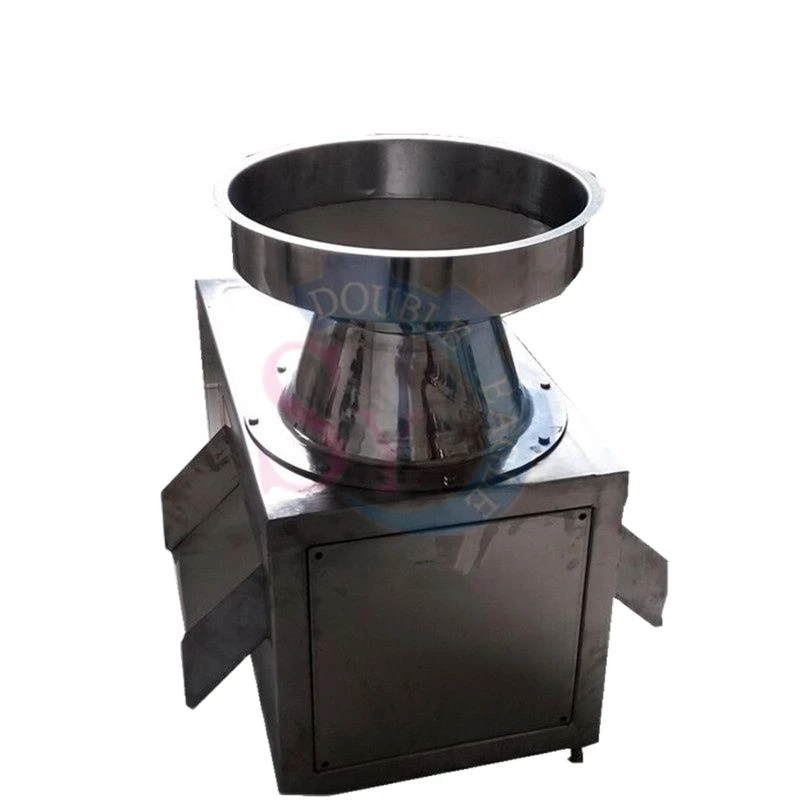

Fruit Pulp Extraction
Extracting pulp from fruits like guava, mango, and passion fruit can provide a base for a variety of desserts and drinks. A commercial kitchen can improve the extraction process and reduce waste.
Beginners who are learning how to extract fruit pulp can use basic equipment such as a fruit pulper and juice extractor. Basic equipment for a more organized home chef include;
- Fresh fruits of your choice
- Blender or food processor
- Cheesecloth or fine mesh strainer
- Bowl
- Spoon
Gradually invest in more advanced equipment, such as strainers and separators, to improve yield and consistency.
Equipment needed for commercial fruit pulp extraction
Fruit Pulp Extractor: This is a machine that is used to extract the pulp from fruits. It can be used to extract pulp from a variety of fruits, including apples, oranges, pears, and more.
Fruit Slicer: This is a machine that is used to slice fruits into small pieces. This is necessary for the extraction process.
Fruit Juicer: This is a machine that is used to extract the juice from fruits. This is necessary for the extraction process.
Strainer: This is a device that is used to strain the pulp from the juice.
Containers: These are containers that are used to store the extracted pulp and juice.
Labels: These are labels that are used to identify the extracted pulp and juice.
State of the art fruit pulp extraction manufacturing implement data collection and analysis software to optimize extraction conditions and ensure consistent quality.


Vegetable Processing
Prepping and packaging vegetables like carrots, celery, and broccoli for longer shelf life can meet the demand for healthy and convenient snacks. A commercial kitchen can use technology to automate the process and maintain freshness.
Prepping and Packaging Vegetables for Longer Shelf Life
As the demand for healthy and convenient snacks increases, prepping and packaging vegetables like carrots, celery, and broccoli for longer shelf life is becoming increasingly important. With the right technology and processes, a commercial kitchen can automate the process and maintain freshness.
The first step in prepping and packaging vegetables is to properly clean and sanitize them. This is done by washing the vegetables in a solution of water and a food-safe sanitizer. This will help to remove any dirt, bacteria, and other contaminants that may be present.
Once the vegetables are clean, they should be cut into the desired size and shape. This can be done by hand or with a commercial vegetable cutter. The pieces should then be placed in a container and stored in a cool, dry place.
The next step is to package the vegetables. This can be done by using vacuum-sealed bags or containers. Vacuum-sealing helps to keep the vegetables fresh for longer periods of time. It also helps to reduce the risk of contamination.
Once the vegetables are packaged, they should be labeled with the date and time of packaging. This will help to ensure that the vegetables are used within the recommended shelf life.
Finally, the vegetables should be stored in a cool, dry place. This will help to maintain their freshness and prevent spoilage.
By following these steps, a commercial kitchen can ensure that their prepped and packaged vegetables are fresh and safe for consumption. This will help to meet the demand for healthy and convenient snacks. With the right technology and processes, a commercial kitchen can automate the process and maintain freshness.
Start with basic kitchen equipment such as a vegetable chopper, slicer, and vacuum sealer. Gradually invest in more advanced equipment, such as an automated processing line, to increase efficiency and production volume. Implement computerized controls to track inventory and optimize production.
Nut-Butter
Nut butters are a delicious and nutritious way to enjoy the flavors of nuts. Whether you’re a home chef or a commercial nut butter producer, there are a few things to consider when making nut butters.
When it comes to choosing the best nuts for nut butter, it really depends on your preference. Some of the most popular nuts used for nut butter are almonds, cashews, peanuts, and walnuts. All of these nuts have a unique flavor and texture that can be used to create a variety of nut butters.
When it comes to getting started with nut butter production, the first step is to find a source of nuts that are affordable. Nuts can be purchased in bulk from many online retailers or in smaller quantities from local grocery stores. Once you have your nuts, you’ll need to decide what type of equipment you’ll need.
Begin with basic equipment such as a nut roaster and grinder.
Gradually invest in more advanced equipment
For home chefs, a food processor or blender is usually sufficient for making nut butters. If you’re looking to produce nut butters on a larger scale, you’ll need to invest in a commercial nut butter grinder. These machines are designed to grind nuts into a smooth and creamy texture.ou’ll need to decide what type of ingredients you’d like to add to your nut butter. Common additions include honey, cinnamon, and cocoa powder. You can also experiment with different flavors and textures by adding different types of nuts or seeds.
Making nut butters is a fun and rewarding process. With the right ingredients and equipment, you can create delicious nut butters that are sure to please.
Peanut butter is a classic, but other nut butter like almonds, cashew, and hazelnut are gaining popularity. A commercial kitchen can improve the roasting and grinding process to ensure a smooth and consistent product.


Dried Fruits
Dried fruits are a great way to enjoy the natural sweetness of fruits without the added sugar and preservatives of canned or processed fruits. Drying fruits is a simple process that can be done at home or commercially, and it can be done with or without the use of specialized equipment.
The level of difficulty for drying fruits depends on the method used. For home drying, the most common methods are air drying, oven drying, and dehydrating. Air drying is the simplest and most cost-effective method, but it can take several days to complete. Oven drying is faster, but it requires more energy and can be more expensive. Dehydrating is the most efficient method, but it requires specialized equipment.
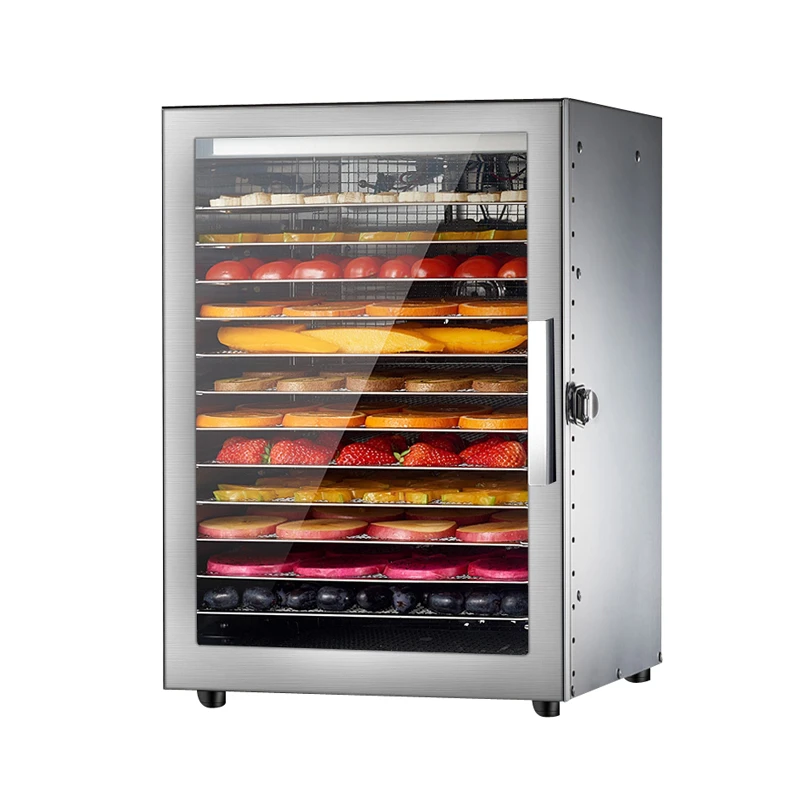
DIY methods for drying fruits at home include air drying, oven drying, and dehydrating. Air drying is the simplest and most cost-effective method, and it requires no special equipment. To air dry fruits, simply spread them out on a baking sheet or tray and leave them in a warm, dry place for several days. Oven drying requires a bit more effort, but it is faster than air drying. To oven dry fruits, spread them out on a baking sheet and bake them at a low temperature for several hours. Dehydrating requires specialized equipment, such as a dehydrator or an oven with a dehydrating setting. To dehydrate fruits, spread them out on a dehydrator tray and set the temperature and time according to the manufacturer’s instructions.
For commercial fruit drying, specialized equipment is needed. Commercial dehydrators are designed to dry large quantities of fruits quickly and efficiently. These dehydrators are typically powered by electricity or gas, and they come in a variety of sizes and configurations. For off-grid drying, solar dehydrators are available. These dehydrators use the sun’s energy to dry fruits, and they are a great option for those who don’t have access to electricity.
No matter which method you choose, the ingredients needed for drying fruits are the same: fruits, sugar, and spices. The sugar helps to preserve the fruits and the spices add flavor. Depending on the method used, additional ingredients may be needed, such as oil for oven drying or a drying agent for dehydrating.
Drying fruits is a simple process that can be done at home or commercially. The level of difficulty depends on the method used, and the ingredients and equipment needed vary depending on the method. For home drying, air drying, oven drying, and dehydrating are the most common methods. For commercial drying, specialized equipment is needed. For off-grid drying, solar dehydrators are available. No matter which method you choose, the ingredients needed are the same: fruits, sugar, and spices.
Dried fruits like cranberries, apricots, and figs are a healthy and convenient snack. A commercial kitchen can improve the drying process and ensure consistent quality.
Meat Processing


Learn more at Amazon.com
Meat processing is an important part of the food industry, as it provides a safe and nutritious product for consumers. Whether you are interested in processing your own meat at home or you are a farmer looking to process your own meat, the process is similar. You will need to purchase the necessary equipment, learn the basics of meat processing, and understand how to safely store and package the finished product. With the right equipment and knowledge, you can begin processing your own meat Processed meats like bacon, sausage, and jerky are popular protein sources. A commercial kitchen can improve the processing and packaging process to meet demand.
Meat processing is the process of transforming raw animal products into edible products. It involves a variety of steps, from slaughtering and butchering to curing and packaging. Meat processing is an important part of the food industry, as it provides a safe and nutritious product for consumers.
Getting Started at Home
If you are interested in processing your own meat at home, the first step is to purchase the necessary equipment. This includes a meat grinder, a sausage stuffer, a meat slicer, and a smoker. You will also need a variety of knives, cutting boards, and other tools. Once you have the equipment, you can begin to process your own meat.
The next step is to learn the basics of meat processing. This includes understanding the different cuts of meat, how to properly trim and prepare the meat, and how to safely store and package the finished product. You can find a variety of resources online to help you learn the basics.
Farmers Processing Meat
For farmers who want to process their own meat, the process is similar to that of home processing. The main difference is that farmers will need to purchase larger equipment, such as a meat grinder, a sausage stuffer, and a smoker. The farmer will also need to purchase a variety of knives, cutting boards, and other tools.
Once the equipment is purchased, farmers can begin to process their own meat. This includes understanding the different cuts of meat, how to properly trim and prepare the meat, and how to safely store and package the finished product. Farmers can also find a variety of resources online to help them learn the basics.
Equipment for Home and Commercial Meat Processing
The equipment needed for home and commercial meat processing is similar. For home processing, you will need a meat grinder, a sausage stuffer, a meat slicer, and a smoker. You will also need a variety of knives, cutting boards, and other tools.
For commercial processing, you will need larger equipment, such as a meat grinder, a sausage stuffer, and a smoker. You will also need a variety of knives, cutting boards, and other tools. Additionally, you will need to purchase a variety of packaging materials, such as vacuum sealers, shrink wrap machines, and labeling machines.
Camp Chef

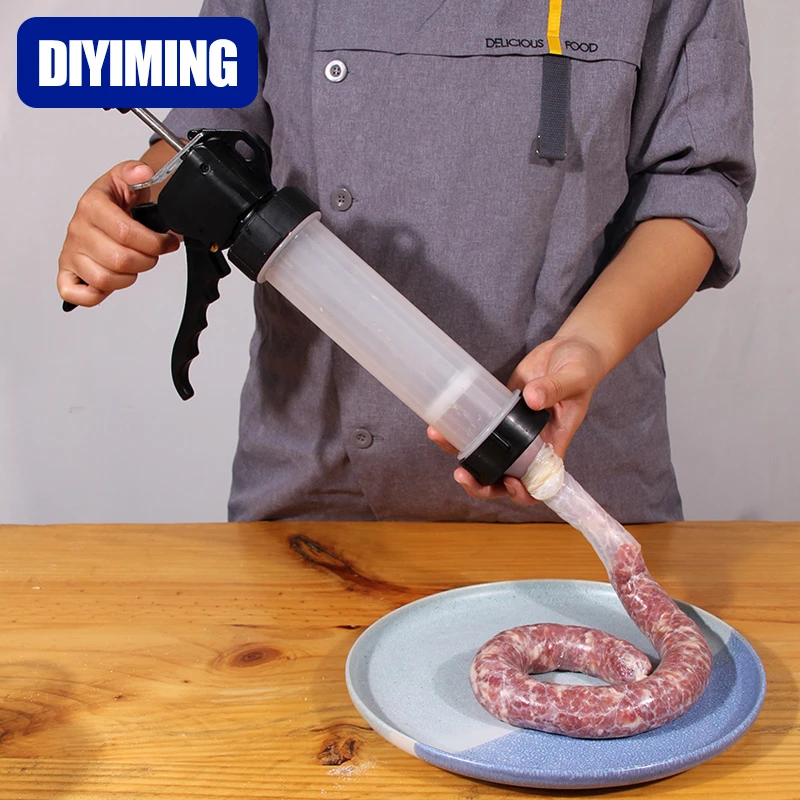
Camp Chef offers a range of equipment for meat processing, including grinders, slicers, and meat mixers. Their products are designed to help hunters and outdoor enthusiasts process their own meat, as well as for home cooks who want to make their own sausages, burgers, and other meat-based dishes. Some of their popular meat processing equipment includes:
- Camp Chef Meat Grinder: This grinder is designed to grind various types of meat quickly and efficiently. It comes with multiple grinding plates and a sausage stuffer to make different types of sausages.
- Camp Chef Jerky Rack and Dryer: This is a four-tray dehydrator that helps you make delicious and healthy jerky at home. It has a temperature control feature that allows you to adjust the heat to your desired level.
- Camp Chef Slicer: This slicer is designed to slice various types of meat, cheese, and vegetables quickly and easily. It comes with adjustable thickness settings and a safety feature to prevent accidents.
Overall, Camp Chef has a variety of meat processing equipment to help you prepare and preserve your meat in the way that you want.
Bakery Products
Baked goods like bread, cookies, and pastries can be produced on a large scale with the help of a commercial kitchen. Technology can improve the mixing, shaping, and baking process.
As a baker, it is important to have the right ingredients on hand to ensure that you can make the best baked goods possible. Knowing how to store and how much to keep on hand can help you save time and money, while also ensuring that you have the ingredients you need when you need them.
When it comes to storing ingredients, it is important to keep them in a cool, dry place. This will help to ensure that they stay fresh and last longer. It is also important to store ingredients in airtight containers or bags to prevent them from absorbing moisture or odors from other foods.
When it comes to how much to keep on hand, it is important to consider the types of baked goods you make and how often you make them. For example, if you make a lot of cakes, you may want to keep more flour, sugar, and other baking ingredients on hand than if you only make cookies occasionally. It is also important to consider the shelf life of the ingredients you are storing. For example, some ingredients, such as yeast, have a shorter shelf life and should be used within a few weeks of purchase.
Having the right ingredients on hand is essential for any baker. Knowing how to store and how much to keep on hand can help you save time and money, while also ensuring that you have the ingredients you need when you need them. With the right storage and inventory, you can ensure that your baked goods are always of the highest quality.
Ingredients need for a home bakery
- Flour
- Sugar
- Baking powder
- Baking soda
- Salt
- Eggs
- Milk
- Oil
- Spices
- Butter
- Vanilla extract
- Chocolate chips
- Nuts
- Fruits
- Yeast
- Shortening
- Decorations (sprinkles, icing, etc.)
Equipment needed for a bakery
- Oven
- Mixer
- Baking pans
- Measuring cups and spooens
- Rolling pin
- Cooling racks
- Decorating tools
- Food thermometer
- Pastry bags and tips
- Kitchen scale
Equipment needed for commercial bakery
- Ovens
- Mixers
- Dough Sheeters
- Proofers
- Refrigerators
- Freezers
- Scales
- Baking Pans
- Baking Trays
- Shelving Units
- Utensils
- Cooling Racks
- Dough Cutters
- Decorating Tools
- Packaging Supplies
- Labels and Tags
- Food Safety Supplies
- Cleaning Supplies
- Work Tables
- Cash Register
Condiments and Sauces
Condiments like ketchup, mustard, and mayonnaise, as well as sauces like barbecue and hot sauce, can be produced in a commercial kitchen with consistent quality and packaging.
Making Condiments and Sauces: A Guide for Home and Commercial Production
Condiments and sauces are an essential part of many meals, adding flavor and texture to dishes. Whether you’re a home cook or a commercial producer, making your own condiments and sauces can be a rewarding and profitable endeavor. In this article, we’ll discuss the basics of making condiments and sauces, who it’s best suited for, the types of condiments and sauces available, what size business is needed to make a profit, how in-season crops from farmers markets can be beneficial, and what ingredients and equipment are needed for home and commercial production.
Who is Making Condiments and Sauces Best Suited For?
Making condiments and sauces is best suited for those who have a passion for cooking and a creative eye for flavor. It’s also a great way to make use of in-season produce from local farmers markets. If you’re looking to start a business, it’s important to have a good understanding of the market and the competition.
Types of Condiments and Sauces
There are a variety of condiments and sauces available, ranging from classic favorites like ketchup and mustard to more exotic options like harissa and chimichurri. Some of the most popular condiments and sauces include:
- Ketchup
- Mustard
- Barbecue sauce
- Hot sauce
- Mayonnaise
- Relish
- Worcestershire sauce
- Teriyaki sauce
- Soy sauce
- Chimichurri
- Harissa
- Pesto
- Salsa
- Tartar sauce
- Aioli
What Size Business is Needed to Make a Profit?
The size of the business needed to make a profit depends on the type of condiments and sauces you’re producing. If you’re producing small batches of specialty sauces, you may be able to get away with a small business. However, if you’re producing large batches of condiments and sauces for commercial production, you’ll need a larger business with the necessary equipment and staff.
How In-Season Crops from Farmers Markets Can Be Beneficial
Using in-season crops from farmers markets can be beneficial for a number of reasons. Not only are they fresher and more flavorful, but they’re also often cheaper than store-bought produce. Additionally, buying from local farmers helps to support the local economy and reduce your carbon footprint.
What Ingredients and Equipment are Needed for Home and Commercial Production?
The ingredients and equipment needed for home and commercial production of condiments and sauces will vary depending on the type of product you’re producing. Generally speaking, you’ll need a variety of fresh ingredients, such as vegetables, herbs, and spices, as well as equipment like blenders, food processors, and strainers. For commercial production, you’ll also need larger equipment, such as industrial mixers and kettles.
Making condiments and sauces can be a rewarding and profitable endeavor for both home cooks and commercial producers. With the right ingredients, equipment, and knowledge, you can create delicious and unique condiments and sauces that will add flavor and texture to any dish.
Marketing
Creating a Flyer to Market Home Chef Products
Creating a flyer to market home chef products is an effective way to get the word out about your products. It is important to market goods because it helps to create awareness and interest in your products. With a well-designed flyer, you can reach potential customers and increase sales.
When creating a flyer to market home chef products, it is important to include information about the product, such as its features, benefits, and pricing. You should also include a call to action, such as “Order Now” or “Visit Our Website”. Additionally, you should include a photo or graphic of the product to help draw attention to it.
Once you have created the flyer, you can promote it in a variety of ways. You can distribute it in person, mail it to potential customers, or post it online. You can also use social media to promote your products. Posting on Facebook, Twitter, and Instagram can help to spread the word about your products.

When selling products you have made, it is important to be honest and transparent about the ingredients and processes used to make them. You should also provide clear instructions on how to use the product. Additionally, you should provide customer service and be willing to answer any questions customers may have.
Finally, you should take your products to market. You can do this by attending local events, such as farmers markets or craft fairs. You can also set up an online store or join an online marketplace. This will help to increase your visibility and reach more potential customers.
Creating a flyer to market home chef products is an effective way to get the word out about your products. It is important to include information about the product, promote it in a variety of ways, be honest and transparent about the ingredients and processes used to make them, and take your products to market. With a well-designed flyer, you can reach potential customers and increase sales.
Food Safety
When operating a small manufacturing business on a farm, taste, quality, and good sanitation practices are essential for success. Taste and quality are important for customer satisfaction, while good sanitation practices are necessary to ensure the safety of the products.
Taste and quality are essential for any manufacturing business. Customers expect a product to taste good and be of high quality. To ensure this, it is important to use fresh ingredients and to follow proper food safety protocols. This includes proper storage and handling of ingredients, as well as proper cleaning and sanitizing of equipment. Additionally, it is important to have a quality control system in place to ensure that the products meet the desired standards.
Good sanitation practices are also essential for any manufacturing business. This includes proper cleaning and sanitizing of equipment, as well as proper storage and handling of ingredients. Additionally, it is important to have a food safety plan in place to ensure that the products are safe for consumption. This includes proper labeling of products, as well as proper temperature control and monitoring of food products.
Finally, it is important to have a good customer service system in place. This includes providing customers with accurate information about the products, as well as responding to customer inquiries in a timely manner. Additionally, it is important to have a system in place to address customer complaints and to ensure that the products are of the highest quality.
Food Safety Guidelines
Operating a home-based commercial manufacturing business related to small integrated farms can be a daunting task. To ensure that your business is compliant with the necessary regulations, it is important to be aware of the ISO standards that are applicable to your business.
ISO standards are sets of guidelines that provide a framework for businesses to follow in order to ensure that their operations are safe and efficient. Although these standards are not mandatory, they are highly recommended for businesses that are looking to operate in a safe and compliant manner.
When it comes to operating a home-based commercial manufacturing business related to small integrated farms, there are a few ISO standards that are particularly important. These include ISO 9001, which is a quality management system that helps businesses to ensure that their products and services meet customer requirements. Additionally, ISO 14001 is an environmental management system that helps businesses to reduce their environmental impact. ISO 22000 is a food safety management system that helps businesses to ensure that their food products are safe for consumption.
It is important to note that these ISO standards are not the only ones that are applicable to home-based commercial manufacturing businesses related to small integrated farms. There are many other standards that may be applicable depending on the specific operations of the business.
For those who are interested in learning more about the ISO standards that are applicable to home-based commercial manufacturing businesses related to small integrated farms, there are a number of good reading materials available. These include the ISO 9002:2016 Quality Management System Standard, the ISO 14001:2015 Environmental Management System Standard, and the ISO 22000:2018 Food Safety Management System Standard. Additionally, the International Organization for Standardization (ISO) website provides a wealth of information on the various ISO standards that are applicable to businesses.
It is important for businesses that are operating a home-based commercial manufacturing business related to small integrated farms to be aware of the ISO standards that are applicable to their operations. Although these standards are not mandatory, they provide a framework for businesses to follow in order to ensure that their operations are safe and efficient. For those who are interested in learning more about the ISO standards that are applicable to their business, there are a number of good reading materials available.
Conclusiion: Integrated Farming Innovation: A Smart Manufacturing Commercial Kitchen for Value-Added Products
In conclusion, integrated farm innovation -smart manufactory commercial kitchen is a great way to increase efficiency and reduce costs in the food industry. It is a great way to reduce waste and increase sustainability. It is also a great way to increase the quality of food products and reduce the environmental impact of food production. With the right technology and the right people, integrated farm innovation -smart manufactory commercial kitchen can be a great way to revolutionize the food industry.