

This page may contain products from our partners that we promote if you click on a product and make a purchase wr will receive a commission. please see affiliate disclaimer
Table Of Contents
- Introduction
- Why It Matters.
- Grow Your Own Burger Ingredients!
- Use Fresh Produce From Your Garden For Your Burgers!
- Tips For Planting
- Preparing The Menu
- Burger Grill Cookout
- Types of Grills
- Cooking the Burgers
- Eco-Friendly Toppings and Condiments
- Conclusion
Introduction
Burgers are the greatest sandwiches that are delicious and healthy. There are so any ways to make a burger with different types of meats and toppings. It is interesting to know that some of the ingredients that go into burgers are simple plants that many gardeners enjoy growing. As the popularity of burgers continues to soar, summer invites many grilling enthusiasts to fire up the grill and enjoy the great outdoors. Even more crucial is the importance of sourcing ingredients responsibly. With growing awareness of environmental issues, health concerns, and ethical considerations, many gardeners who are burger enthusiasts are seeking ways to enjoy their favorite meal while minimizing their impact on the planet, and what better way to do this than with grilled burgers sourced with ingredients from your garden. This article will guide you through organizing memorable cookouts featuring various types of burgers, all made with ingredients that can be grown right in your garden, and explores how to create delicious, sustainable burgers by choosing ingredients that you may not have grown yourself such as meats and cheeses.
Growing ingredients in a way that is environmentally friendly, socially responsible, and economically viable should be a priority for all burger lovers. This includes considering the impact of farming practices, animal welfare, and supply chain transparency. Grow your own garden and enjoy fresh ingredients for your burgers.
Why It Matters.
Environmental Impact: Traditional farming and livestock practices can lead to deforestation, soil degradation, and greenhouse gas emissions. Sustainable sourcing aims to reduce these negative effects.
Animal Welfare: Ethical treatment of animals is a significant concern for many consumers. Sustainable practices prioritize humane treatment and living conditions. While it may not be economical to raise meat for your burgers in your backyard. A smart consumer should always consider where burger comes from and choose wisely when making decisions to purchase it.
Health Benefits: Sourcing organic or locally grown ingredients often means fewer pesticides and chemicals, leading to healthier meals.
Grow Your Own Burger Ingredients!
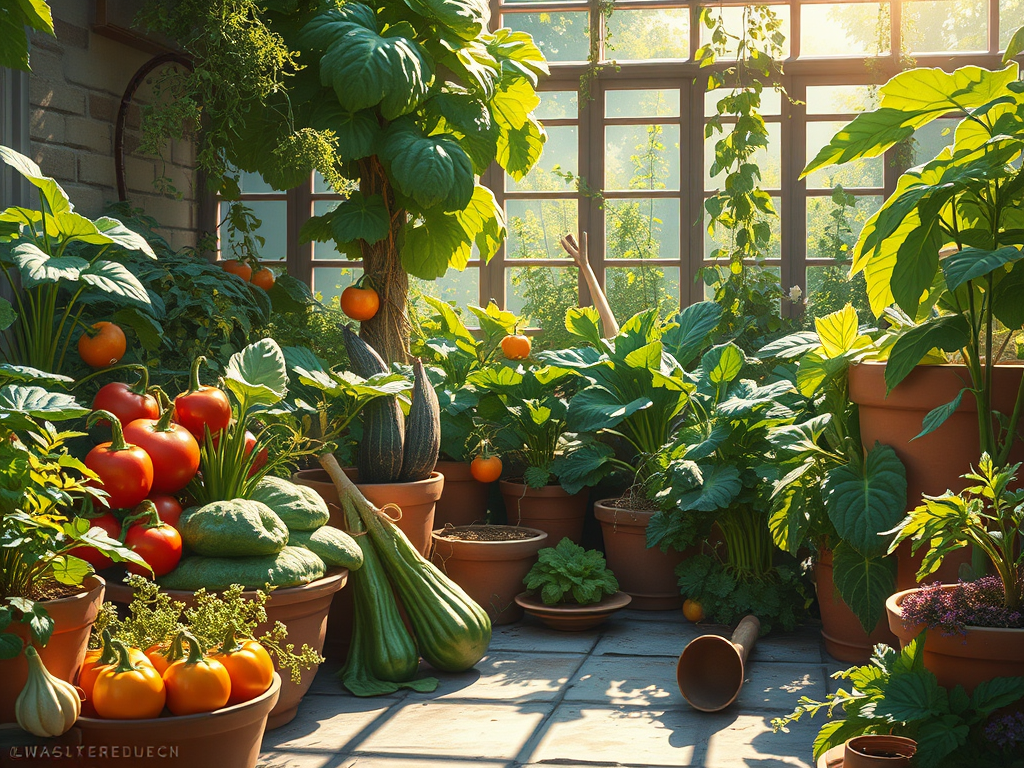
Your backyard garden is usually filled with plants. Grow a themed garden that has plants that can be used to make burgers and side dishes. A successful garden will yield the crops needed to host a burger grill cookout and you can invite friends and family to enjoy the harvest. Here are some simple growing tips to help you get started. Use well-draining, nutrient-rich soil. When you are ready to plant, start seeds indoors or directly in the garden after frost. Pick crop when ripe for the best flavor.
Important factors in plant growth are soil, nutrients, and soil pH which are involved in healthy plant growth. Other important practices include plant spacing; insect, weed and disease control; irrigation; and timely harvest.
Divide your garden into sections that will accommodate the plants needs for, direct sunlight, or shade, and water preferences. Below you will find a list of how best to place your plants for best management.
Use Fresh Produce From Your Garden For Your Burgers!
Lettuce and Spinach: For fresh toppings.
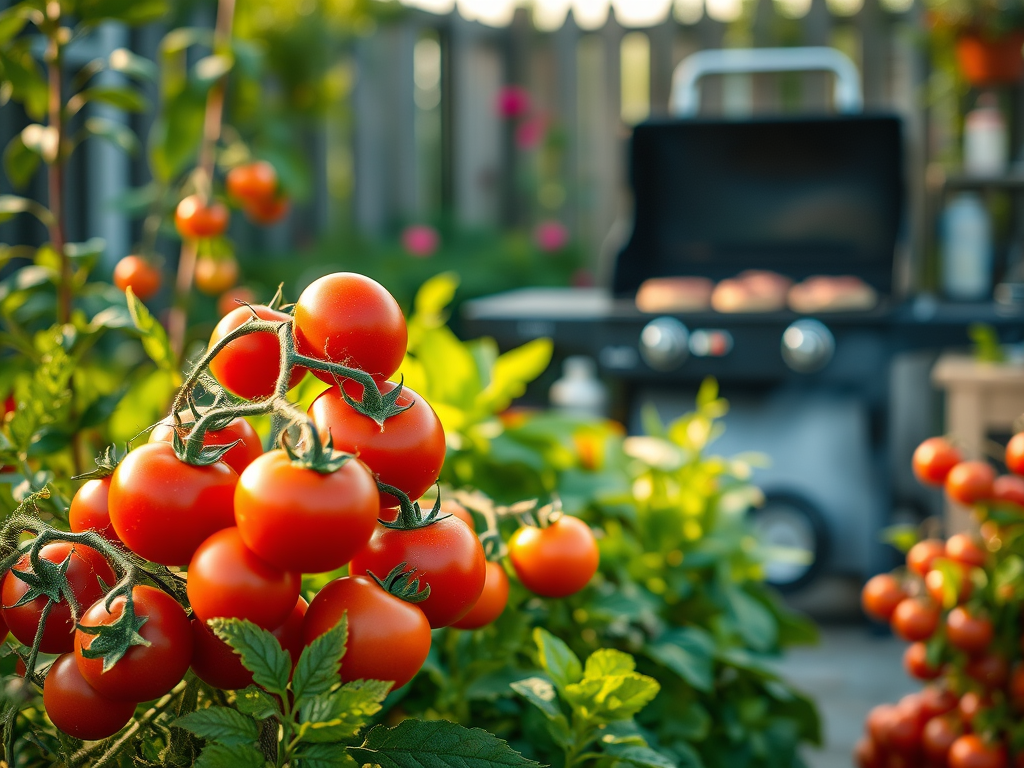
Tomatoes: Sliced for classic burger toppings.
Onions: Grilled or raw, depending on preference.
Pepper: For added flavor and color in veggie burgers.
Herbs: Basil, cilantro, or parsley for seasoning.
Potatoes: idaho potato, or sweet potato for fries.
Cucumbers: Pickled for fresh toppings.
Carrots: Grated for fresh slaw.
Cabbage: Grated for fresh slaw.
Tips For Planting
| Plant | Sunlight | Water | Days to Harvest |
| Tomato | Full sun | Keep moist | 60-85 |
| Lettuce | Partial shade to full sun | Keep moist | 30-60 |
| Onions | Full sun | Regularly | 100-120 |
| Cucumbers | Full sun | Keep moist | 50-70 |
| Bell Peppers | Full sun | Keep moist | 60-90 |
| Avocados | Full sun | Deeply but infrequently | 3-4 years |
| Herbs | Full sun | Regularly | Varies |
| Potatoes | Full sun | Evenly moist | 70-120 |
| Carrot | Full sun | Evenly moist | 60-90 |
| Cabbage | Full sun | Evenly moist | 60-90 |
Preparing The Menu
Burger meat is usually ground beef, but other kinds of meat that can be used are; lamb, chicken, pork that can be ground or not especially if you have a grill. Serving meat that is tender and fresh of the grill is an added burst of flavor to enjoy. Create a diverse menu featuring different types of burgers for your grill out. Here’s a suggested lineup:
Classic Burger Hamburger with ketchup, mustard and pickles.
Classic Cheeseburger Juicy beef patty with cheddar cheese.
Garden Veggie Burger Made from grilled zucchini, bell peppers, and black beans.
BBQ Chicken Burger Grilled chicken breast topped with homemade BBQ sauce.
Lamb Burger Ground lamb seasoned with herbs and spices.
Mushroom Swiss Burger Grilled portobello mushrooms with Swiss cheese.
Gyro Burger Hamburger topped with white onions, tomatoes and yogurt cucumber dressing.
Barbecue Burger Boneless beef ribs grilled with a tangy barbecue sauce and hot peppers.
Bistro Burger Ground beef covered with caramelized onions, Brie cheese and crisp bacon, served on a walnut bun.
Blue Moon Burger Grilled burger topped with Bleu cheese, sauteed mushrooms,
lettuce and tomato served on an onion bun
Cowboy Burger Grilled mushrooms, grilled onion, bacon and Monterey Jack cheese on a flavorful beef patty.
Chicago Burger Grilled beef burger with sweet relish, chopped onion, ketchup, mustard and hot peppers.
Big Island Burger Hamburger stuffed with Mozzarella cheese, covered with Canadian bacon and pineapple.
Burger Grill Cookout
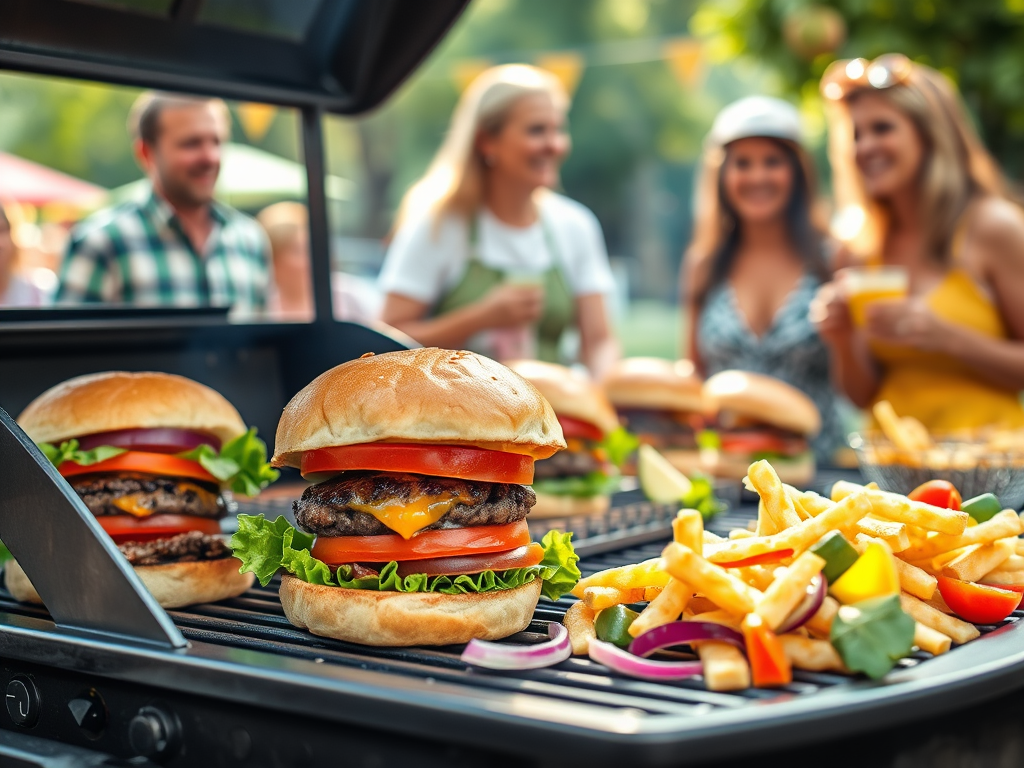
A burger grill cookout featuring garden-fresh ingredients is a perfect way to celebrate the joys of summer. With a variety of burgers and sides, everyone can find something they love. The laughter, delicious food, and the beauty of your garden will create lasting memories for all who attend. So fire up the grill, gather your loved ones, and enjoy a delightful day of good food and great company!
Grilling The Crops That You Grow.
A burger grill cookout is not only a meal; it’s a delightful experience that brings friends and family together. Imagine the aroma of grilled meat wafting through the air, laughter echoing, and the vibrant colors of fresh vegetables from your garden.
Choose the Right Grill!
Nothing says burger better than cooler filled with drinks, burger patties on a hot smoking grill and Styrofoam serving platters whether it be cartons, or plates because burgers are one of those meals that people enjoy eating and love to carry out.
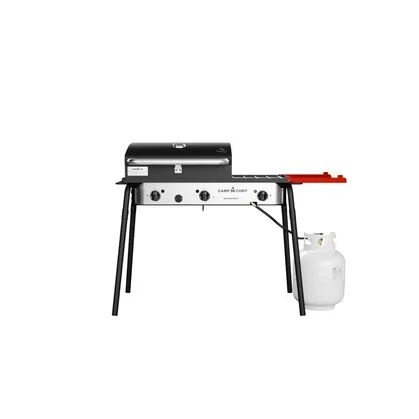
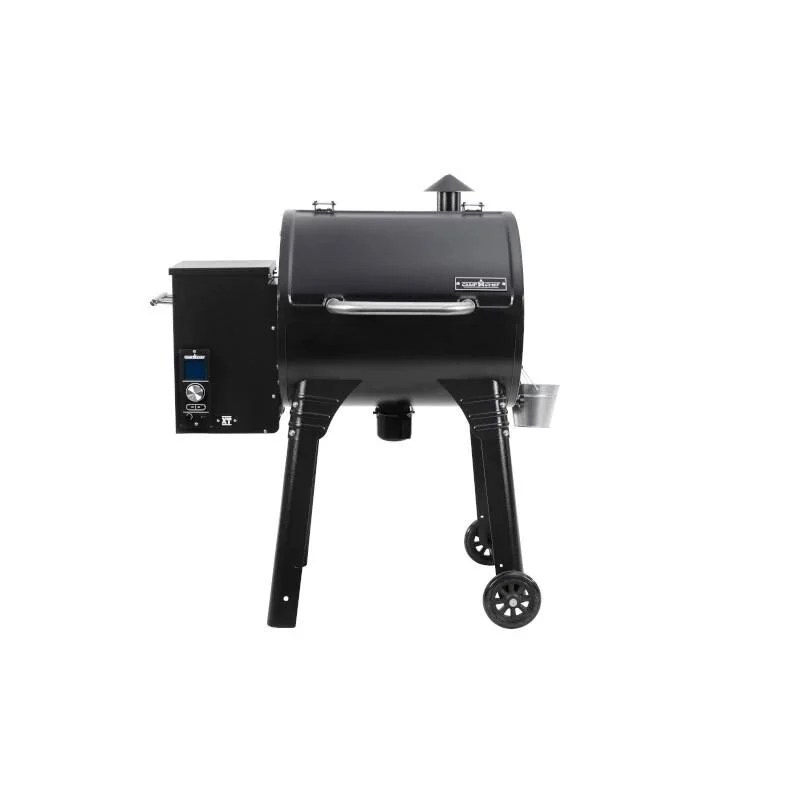
The grills sets the scene for the event. A nice grill assures your guests that they will be fed on time. A reliable grill helps you get the mundane tasks done, such as cooking ground beef patties, and is a compliment when you want to take it up a notch to grilling raw meat such as ribs or brisket. Camp Chef has all kinds of grills that attractive, durable, and can stand up to the challenge of grilling for a crowd.
Types of Grills
Gas Grills Convenient and easy to control, perfect for quick meals.
Charcoal Grills Offer a smoky flavor that many grill enthusiasts love; they require more time to heat up.
Pellet Grills Combine the convenience of gas with the flavor of charcoal, using wood pellets for smoking.
Portable Grills Ideal for camping or picnics, they are compact and easy to transport.

Grill Maintenance
Clean your grill grates before and after each use to prevent sticking and enhance flavor. Check for gas leaks in propane grills by applying soapy water to connections; look for bubbles indicating a leak.
Grilling Safety Tips
– Always keep a spray bottle of water nearby to manage flare-ups.
– Never leave the grill unattended while in use.
– Ensure meats are cooked to safe temperatures (e.g., chicken to 165°F, beef to 145°F).
Cooking the Burgers
Ensure your grill is clean and ready. If using charcoal, light it at least 30 minutes before cooking to allow coals to reach the right temperature. For gas grills, preheat for about 10-15 minutes.
Preparing the Patties
Beef Patties: Season ground beef with salt, pepper, and chopped herbs. Form into patties.
Veggie Patties: Mix black beans, chopped vegetables, breadcrumbs, and spices. Form into patties.
Chicken Patties Season chicken breasts with salt, pepper, and BBQ sauce.
Grilling the Burgers
Place the patties on the grill, ensuring they are spaced apart.
Cook beef patties for about 4-5 minutes on each side for medium doneness. Add cheese during the last minute to melt.
Grill chicken for about 6-7 minutes on each side until fully cooked.
Veggie patties may take about 3-4 minutes per side.
Grill the Vegetables, slice zucchini, bell peppers, and onions. Toss in olive oil, salt, and pepper. Grill vegetables until tender and slightly charred, about 3-5 minutes.
Assembling the Burgers
Set up a burger assembly station with all the toppings:
Buns: Toasted brioche or whole-grain buns.
Toppings : Fresh lettuce, sliced tomatoes, onions, pickles, and grilled vegetables.
Condiments: Ketchup, mustard, mayo, and BBQ sauce.
Encourage guests to build their own burgers, customizing them to their liking. However, you may also want to have servers who can make sandwiches from a recipe, because there are many kinds of burgers to be created. Also, you could have images along with the recipes to help create the perfect burger likeness of your decadent burgers.
Complement the burgers with side dishes such as:
- Garden Salad: Made with fresh greens and vegetables from your garden.
- Coleslaw: A crunchy side that pairs well with grilled meats.
- Potato Salad: A classic cookout favorite.
- French Fries
- Mac-n-cheese
Eco-Friendly Toppings and Condiments
Homemade Sauces
Simple Ingredients Making your own sauces and condiments allows you to control the ingredients and avoid preservatives. Use organic and locally sourced ingredients when possible.
Sustainable Cheese
Ethically Sourced Dairy If you’re adding cheese, choose options from farms that practice humane animal treatment and sustainable farming methods.
Reducing Food Waste
Smart Portions
Plan your meals carefully to reduce waste. Use leftovers creatively in salads, wraps, or other dishes.
Composting
Compost Scraps Consider composting vegetable scraps and unused ingredients to enrich your garden soil and reduce landfill waste.
Conclusion
Creating sustainable burgers is not just about the ingredients; it’s about making informed choices that benefit our health, the environment, and the welfare of animals. By growing most of the ingredients, we can enjoy delicious burgers while contributing to a more sustainable food system. So, the next time you fire up the grill, consider the impact of your choices and savor the flavors of sustainability and somethings homegrown!


Leave a Reply