
This page may contain products from our partners that we promote if you click on a product and make a purchase wr will receive a commission. please see affiliate disclaimer
In today’s digital age, social media has become an integral part of our lives. It serves as a platform for communication, creativity, and community building. For many young people, social media can be an exciting way to connect with friends, share experiences, and explore new interests. Moreover, it also holds unique potential for individuals with disabilities, offering opportunities for connection, advocacy, and empowerment.
Social media is a fun way to be creative with life, learn about life, introduce yourself, meet new people, and take control of who you want to become as a person. A place to be more business like and professional. However, there are unspoken rules that must be followed so that the platform stays safe and appealing for further new users because everyone deserves respect.
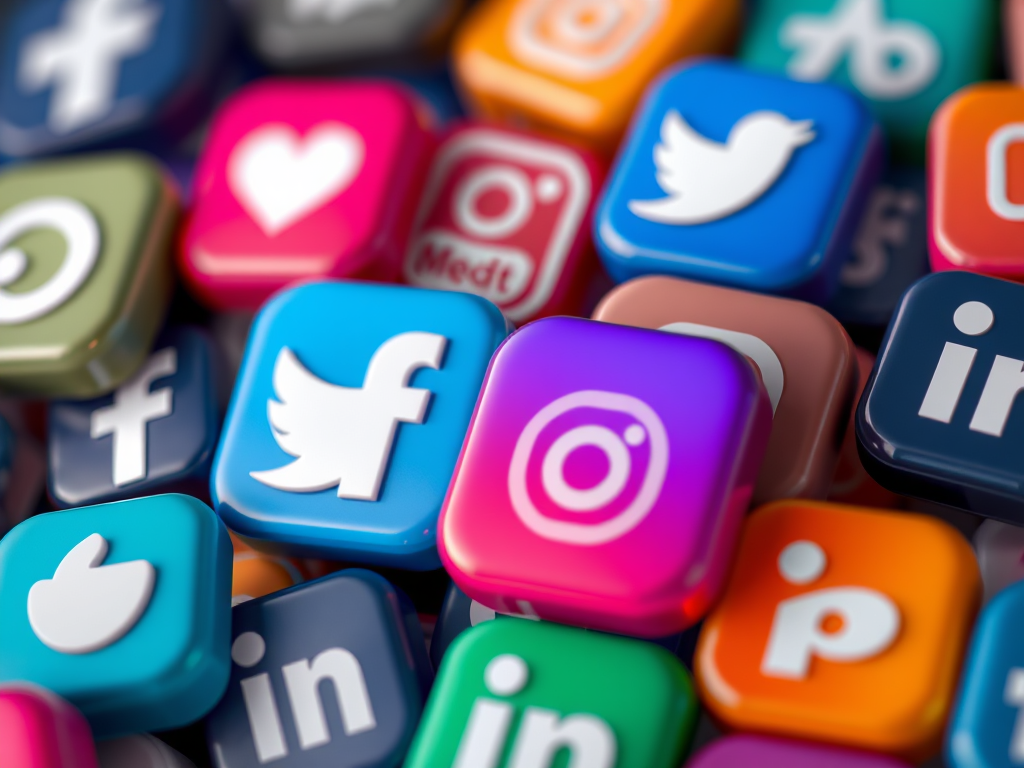
Social media encompasses various platforms where users can create, share, and interact with content. Popular platforms include Facebook, Instagram, Twitter, TikTok, and LinkedIn. Each platform offers unique features that cater to different interests, from sharing photos and videos to professional networking. In this article we will describe social media for the benefit of those young persons who want to learn more about it and encourage them to start networking on the various social media platforms.

“Social media: Connecting people, inspiring creativity, sharing knowledge, and building communities—one post at a time. 🌍✨”
Benefits of Social Media
Connection – Social media helps users stay in touch with friends and family, facilitating communication regardless of distance.
Creativity – Users can express themselves through various forms of content, such as art, writing, and video.
Information Sharing – Social media is a valuable resource for news, trends, and educational content.
Community Engagement – Users can join groups and forums that align with their interests, fostering a sense of belonging.
For young people with disabilities, social media presents unique advantages that can significantly enhance their lives.
Social media allows individuals with disabilities to connect with others who share similar experiences. Online communities provide emotional support, encouragement, and a sense of belonging. This connection can be particularly valuable for those who may feel isolated in their daily lives.
Social media serves as a platform for raising awareness about disabilities and advocating for change. Young individuals can share their stories, educate others, and mobilize support for disability rights. This engagement fosters a greater understanding of the challenges faced by individuals with disabilities.
One Step At A Time
Many individuals with autism have shown a strong inclination towards artistic activities. Studies suggest that a notable percentage of individuals on the spectrum engage in art as a form of communication and expression. Social media is a forgiving platform where expressions are respected and talent never goes unnoticed.
Platforms like Constructor.tech offer valuable resources that can help individuals with disabilities strengthen their social network skills. Constructor.tech provides tools and guides that focus on digital literacy, communication strategies, and networking skills. By utilizing these resources, young people can enhance their online presence and build meaningful connections.
Engaging with social media encourages the development of essential skills, including:
- Communication: Crafting posts and messages helps improve written communication skills.
- Digital Literacy: Navigating various platforms enhances technological proficiency.
- Networking: Connecting with peers and professionals builds networking abilities that can be beneficial in educational and career pursuits.
Social media also provides a platform for self-expression, allowing young individuals to share their creativity and showcase their talents. This empowerment can boost self-esteem and encourage individuals to embrace their identities.
Outcomes of Engaging in Social Media Activities
Engaging in social media activities can lead to several positive outcomes for young people, especially those with disabilities:
Increased Confidence – Sharing experiences and receiving positive feedback can enhance self-confidence.
Expanded Opportunities – Networking can lead to new opportunities for education, employment, and personal growth.
Improved Mental Health – Building connections and finding support can reduce feelings of loneliness and anxiety.
Enhanced Learning – Accessing educational content and resources can foster personal and academic growth.
🌈 My World, My Voice 🌈
#AutismAwareness #DifferentNotLess #EmbraceDiversity#OneStepAtATime
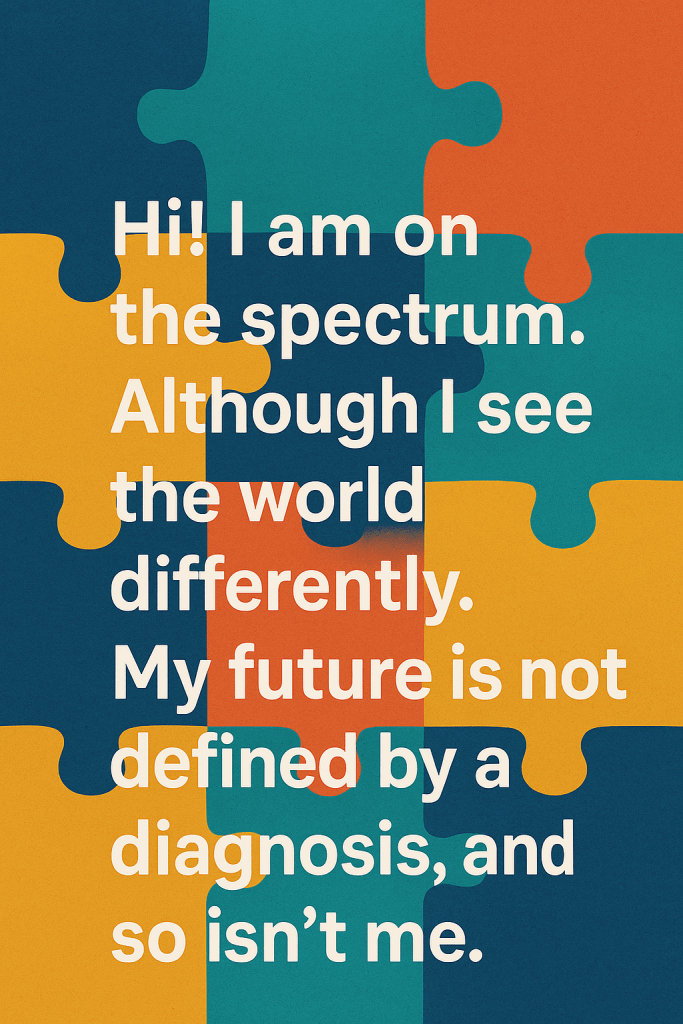
I am on the spectrum, and while I see the world differently, that perspective is my strength. My future is not defined by a diagnosis—it’s shaped by my passions, dreams, and the unique way I experience life.
Every day is an opportunity to learn, grow, and connect. Let’s celebrate our differences and the beauty they bring to our world! 💖✨
Hi! I’m on the spectrum. Although I see the world differently. My future is not defined by my diagnosis, and so isn’t me.
Popular Social Media Platforms for Individuals with Disabilities
Many Social Media platforms provide valuable spaces for individuals with disabilities to connect, share experiences, and access resources. The choice of platform often depends on personal preferences and the type of content they wish to engage with or create. Here are some social media platforms that may be of interest to you.
| Platform | Features | Usage |
| Groups, pages, and events allow users to connect with communities, share stories, and find support. | Many disability advocacy groups and organizations have a presence here, providing valuable information and networking opportunities. | |
| Visual content sharing through photos and videos, which can be particularly engaging for storytelling and showcasing creativity. | Users often share personal journeys, art, and advocacy messages, fostering a sense of community. | |
| Short, real-time updates and discussions through tweets, hashtags, and threads. | Great for following disability rights movements, news, and connecting with advocates and influencers. | |
| YouTube | Video content creation and sharing, which allows for in-depth storytelling and demonstrations. | Many individuals with disabilities share their experiences, tutorials, and educational content, building supportive communities. |
| TikTok | Short-form video content that encourages creativity and self-expression. | Users create engaging content around their experiences, challenges, and advocacy, often using humor and creativity to raise awareness. |
| Discussion forums and communities (subreddits) focused on specific interests and topics. | Many users participate in subreddits dedicated to disabilities, sharing advice, experiences, and support. | |
| Professional networking platform that allows users to connect with others in their field. | Individuals with disabilities can network, seek job opportunities, and share professional achievements. |
🌟 Constructor Tech for Tech Enthusiasts! 🌟
Constructor Tech is an eLearning platform that offers the latest innovations in educational tools, and I couldn’t help but share my thoughts on Grafari and Calcularis.
For those who might not be familiar, Grafari is an incredible platform that helps students visualize complex data and concepts through interactive graphs and charts. It’s perfect for both home learning and classroom settings, making it easier for students to grasp difficult subjects by turning data into engaging visuals.
On the other hand, Calcularis is a fantastic tool designed to enhance math skills through fun and interactive exercises. It adapts to each student’s learning pace, providing personalized challenges that keep them motivated and eager to learn, whether they’re working independently at home or collaborating with classmates at school.
Together, Grafari and Calcularis create a comprehensive learning experience that empowers students to excel in their studies. If you haven’t checked them out yet, I highly recommend giving them a try!
What are your thoughts on these tools? Let’s discuss! 💬✨
Benefits of Social Media for Persons with Disabilities
Social media can be a powerful tool for individuals with disabilities, offering numerous advantages that enhance their lives and communities. Here are some key reasons why they should consider using social media:
Connection and Community
Support Networks: Social media provides a platform to connect with others who share similar experiences, fostering a sense of belonging and support.
Peer Interaction: Individuals can engage with peers, share stories, and find encouragement, reducing feelings of isolation.
Advocacy and Awareness
Raising Awareness: Users can share their experiences and challenges, helping raise awareness about disabilities and advocating for change.
Mobilizing Support: Social media can be used to organize campaigns, share petitions, and mobilize community support for disability rights.
Access to Information
Resources and Tips: Social media is a rich source of information, including resources, tips, and advice on managing disabilities and accessing services.
Educational Content: Users can follow organizations and influencers who provide valuable insights and education on various disability-related topics.
Empowerment and Self-Expression
Creative Outlets: Platforms like Instagram and TikTok allow users to express themselves creatively through art, writing, and videos.
Building Confidence: Sharing personal stories and achievements can boost self-esteem and encourage others to embrace their identities.
Job Opportunities and Networking
Professional Connections: Platforms like LinkedIn enable individuals to network, seek job opportunities, and connect with potential employers who value diversity.
Skill Development: Users can share their skills and experiences, enhancing their professional profiles and increasing employability.
Information on Accessibility
Finding Accessible Services: Social media can help users discover accessible services, events, and locations in their communities.
Sharing Accessibility Resources: Users can exchange information about accessible technology, tools, and strategies that improve daily living.
Mental Health and Well-Being
Support for Mental Health: Connecting with others can provide emotional support and reduce feelings of loneliness and depression.
Positive Reinforcement: Engaging with uplifting content and supportive communities can enhance overall well-being.
Conclusion
Social media serves as a vital platform for young persons inclusive of individuals with disabilities, offering opportunities for connection, advocacy, and empowerment. By engaging with these platforms, they can enhance their social networks, access valuable resources, and contribute to a more inclusive society.


Leave a Reply